Signs of Holiday Stress & How to Help Your Pet Cope
The festive season brings excitement, visitors, decorations, and changes to the home environment. While joyful for us, these disruptions can cause stress and anxiety for pets. Recognising early signs and offering the right support will help your pet stay calm and safe throughout the holidays.
Why the Holidays Can Be Stressful for Pets
Seasonal changes can affect pets more than we realise. Common triggers include:
- Increased noise and guests
- New decorations, lights, and scents
- Changes to daily routines
- Travel or unfamiliar environments
These factors can make pets feel unsure or overwhelmed.
Key Signs of Holiday Stress
1. Avoidance or Hiding
Pets may withdraw, hide under furniture, or seek quiet corners when overstimulated.
2. Clinginess
Some become unusually attached, following owners closely or seeking constant reassurance.
3. Appetite Changes
Stress may cause your pet to eat significantly more or less than usual.
4. Restlessness or Shaking
Pacing, trembling, or difficulty settling are common anxiety responses.
5. Excessive Grooming
Over-licking or chewing (often seen in cats) can signal stress or self-soothing.
6. Destructive Behaviour
Chewing, scratching, or knocking items over may increase when pets feel unsettled.
7. Increased Vocalisation
Whining, barking, or meowing more frequently often indicates discomfort.
8. Accidents Indoors
Stress, overstimulation, or routine changes can lead to occasional toileting accidents.
9. Subtle Body Language
Look for a tucked tail, flattened ears, lip-licking, yawning, or stiff posture.
How to Help Your Pet Cope
1. Create a Safe Space
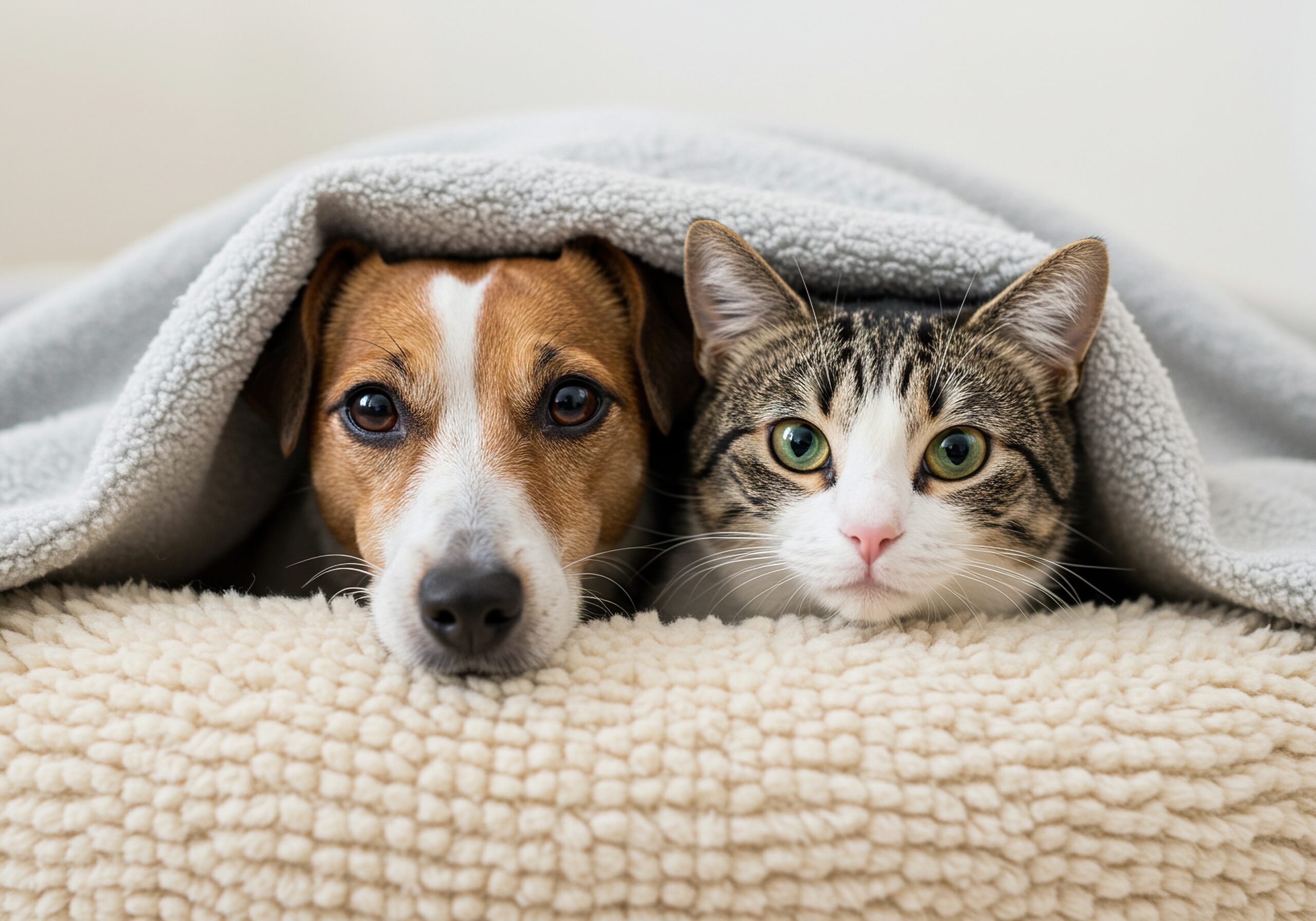
Set up a quiet room or corner with your pet’s bedding, water, and favourite items. Let guests know this space is off-limits.
2. Maintain Their Routine
Try to keep feeding, walking, and play schedules as consistent as possible.
3. Offer Calming Enrichment
Use snuffle mats, puzzle feeders, lick mats, or long-lasting chews to keep pets mentally occupied and relaxed.
4. Reduce Noise Exposure
Play calming music, use white noise, or move your pet to a quieter area during parties or loud moments.
5. Supervise Interactions with Guests
Encourage guests (especially children) to let pets approach them and avoid overwhelming attention.
6. Keep Christmas Hazards Away
Ensure chocolate, mince pies, decorations, electrical wires, and festive plants are out of reach.
7. Consider Calming Aids
Products like pheromone diffusers, calming treats, or vet-approved supplements can help sensitive pets.
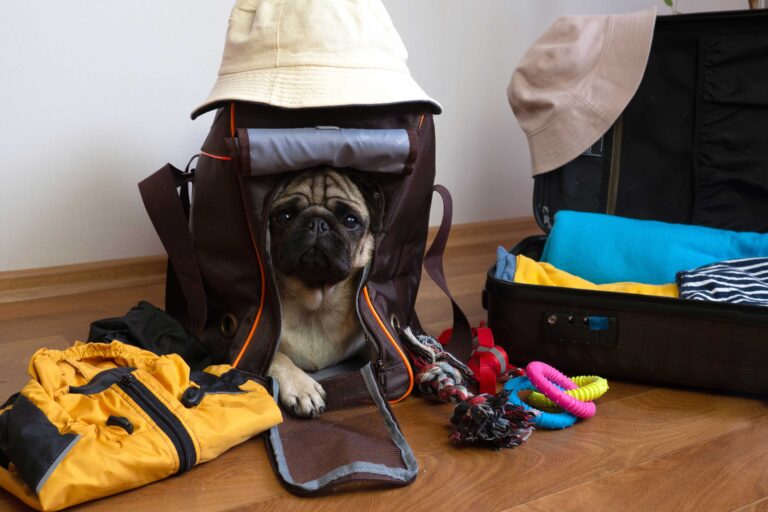
8. Plan Travel Carefully
Bring familiar bedding and toys, stick to regular breaks, and give your pet time to settle in new places.
When to Seek Professional Help
If your pet’s stress responses are severe, frequent, or continue after the holidays, speak with your vet or consult a qualified behaviourist for tailored support.
Final Thoughts
With a little preparation and awareness, you can reduce holiday stress and ensure your pet feels safe, relaxed, and included in the festivities. A calm pet makes for a more peaceful and enjoyable Christmas for the whole family.