Why Mental Stimulation Is Just as Important as Exercise
Physical exercise is essential for pets, but it is only part of the picture. Mental stimulation plays an equally important role in keeping dogs and cats healthy, balanced, and content. Without enough mental engagement, pets may develop behavioural issues, stress, or boredom even if they appear physically tired. Understanding how mental stimulation supports wellbeing can help pet owners create a more fulfilled and happier life for their animals.
What Is Mental Stimulation?
Mental stimulation refers to activities that challenge a pet’s brain. These activities encourage thinking, problem-solving, and natural instincts such as sniffing, foraging, and exploring.
Examples include:
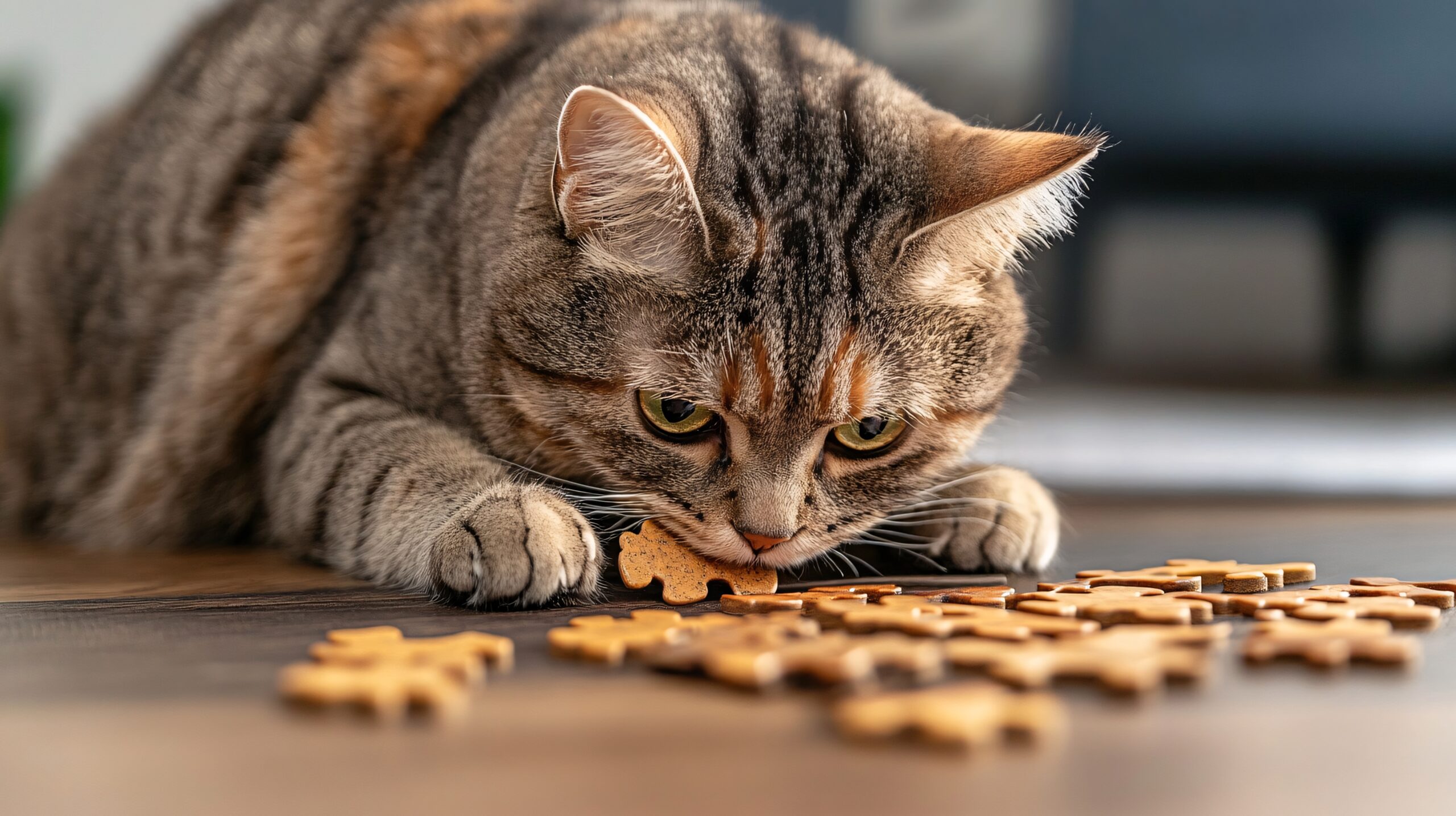
- Puzzle toys and feeders
- Training and learning new skills
- Scent-based games
- Interactive play
- Environmental enrichment
Mental exercise works the brain in the same way physical activity works the body.
Why Mental Stimulation Matters
1. Reduces Boredom and Destructive Behaviour
Pets that lack mental engagement often create their own entertainment. This can lead to chewing, scratching, barking, digging, or unwanted attention-seeking behaviours.
Providing regular mental challenges helps channel energy in a positive way.
2. Supports Emotional Wellbeing
Mental stimulation reduces stress and anxiety by giving pets a sense of purpose and control. Activities such as sniffing, licking, and problem-solving release calming hormones and help pets self-regulate.
This is especially important during busy periods or changes in routine.
3. Improves Focus and Trainability
Engaging the brain improves attention span and responsiveness. Pets that regularly practise thinking-based activities are often more focused, easier to train, and more confident in new situations.
4. Helps Manage Excess Energy
Mental activities can be just as tiring as physical exercise. A short training session or puzzle game can calm a pet more effectively than a long walk, particularly for high-energy or intelligent breeds.
5. Essential for Indoor, Senior, and Limited-Mobility Pets
For pets that cannot exercise intensely—due to age, weather, injury, or health conditions—mental stimulation becomes even more important. It helps maintain quality of life without physical strain and demand .
Signs Your Pet Needs More Mental Stimulation
Your pet may benefit from more mental enrichment if they:
- Appear restless despite regular walks or play
- Display destructive or repetitive behaviours
- Seem easily bored or disengaged
- Become overly excited or reactive
- Seek constant attention
Simple Ways to Add Mental Stimulation
1. Use Puzzle Feeders
Replace food bowls with puzzle feeders or scatter feeding to encourage problem-solving and slow eating.
2. Encourage Natural Instincts
Let dogs sniff on walks or create scent trails at home. For cats, use climbing spaces and hunting-style toys.
3. Teach New Skills
Short training sessions, even just five minutes a day, stimulate the brain and strengthen the human–animal bond.
4. Rotate Toys
Rotating toys weekly keeps them novel and exciting, reducing boredom.
5. Create Enrichment at Home
Snuffle mats, lick mats, cardboard boxes, paper bags (supervised), and DIY games offer low-cost enrichment options.
Mental Stimulation vs Physical Exercise: Finding Balance
Mental stimulation should complement physical exercise, not replace it. The ideal routine includes both:
- Physical activity for strength, weight management, and cardiovascular health
- Mental engagement for emotional wellbeing, confidence, and behavioural balance
Together, they create a calmer, healthier, and more fulfilled pet.
Final Thoughts
A tired body does not always equal a satisfied mind. Mental stimulation is a powerful, often overlooked part of pet care that supports emotional health, reduces behavioural challenges, and improves overall wellbeing. By incorporating small daily mental challenges into your pet’s routine, you can significantly enhance their quality of life no extra miles required.