How to Reduce Pet Odours
We love our pets but sometimes they can cause a funky odour or create a stinky corner in the house. odour could be and cause a range of issues, so here’s our quick guide on how to find and reduce Pet Odours to get your home smelling fresh!
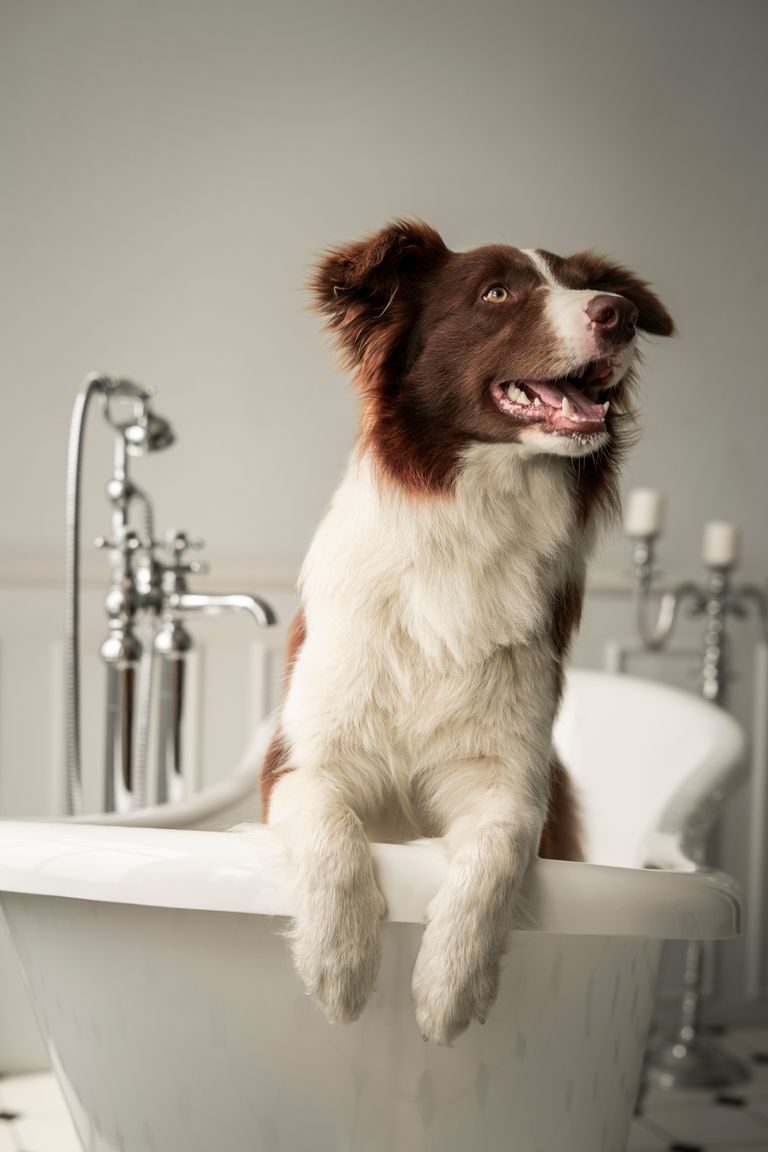
1. Bathe Your Pet
An essential first step is to check how they’re smelling! With the warmer months they could be sweaty, have excess oils or dirt on their coats. Ensure to grab some lovely smelling and de-odourising pet shampoo (like this one from Bugalugs) and scrub a dub dub! (Reminder not all cats should be washed! As they do wash themselves.)
2. Narrow down Smelly Spots in the House
It’s good to check if there’s certain areas of the house that seems to hold onto odour. Whether that be a patch of carpet in the living room, the entryway or even their sleeping area. Once you’ve narrowed down the culprit, you can then get to cleaning and de-odourising.
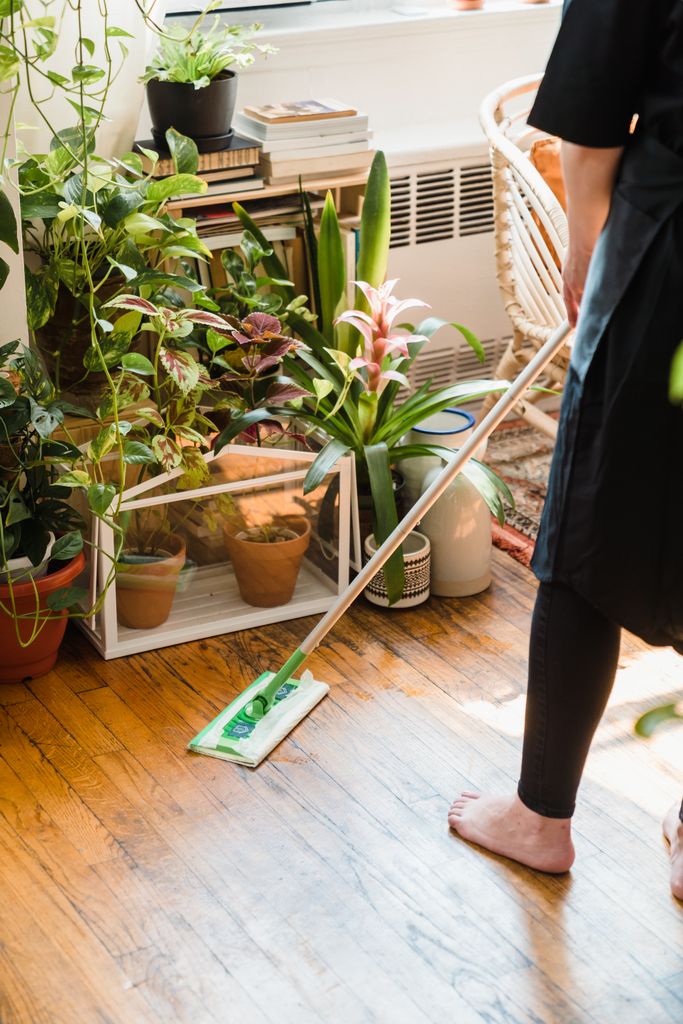
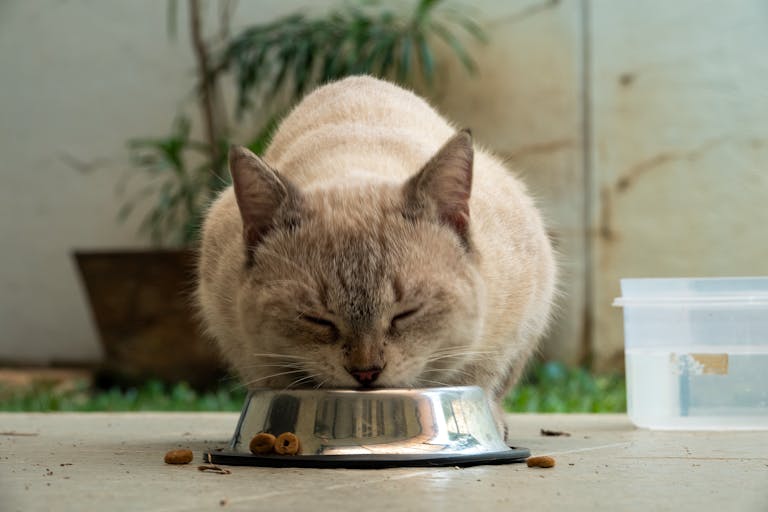
3. Mop any Hard Floors, especially around Food
Mopping hard floors can help rid of any odour creating bacteria, especially any that’s bloomed due to messy eating! Utilise some good hot water and cleaning solution. Pro-tip: Have a mat underneath the bowls to catch any stray food and for ease of clean up in future.
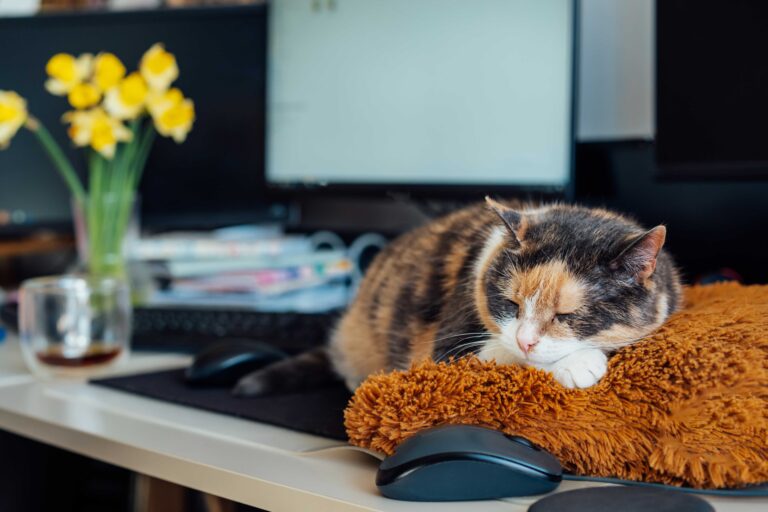
4. Wash Sofa Covers, Cushions and Pet Beds
Wash on a good high temperature (if the fabric allows), and ensure the fabric dries well too. With the Pet Bed, follow this amazing guide on how to ensure the bed’s integrity as well as de-odorising the fabric.
5. Spray down the Carpets
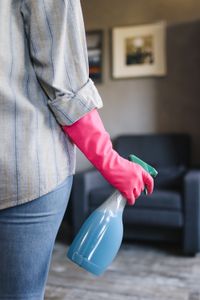
A final hack without breaking out the rental carpet cleaner, is to spray the carpets down with a targeting spray easily found at the supermarket. The longer it can soak the better!
Reduce Pet Odours: A Fresher Home
We hope these tips are helpful when your furry friend causes a smell – if any smell becomes frequent and concerning, make sure to check in with your vet if this is a sign of an underlying condition.