Ragdoll Cat Breed Information and Advice
Table of Contents
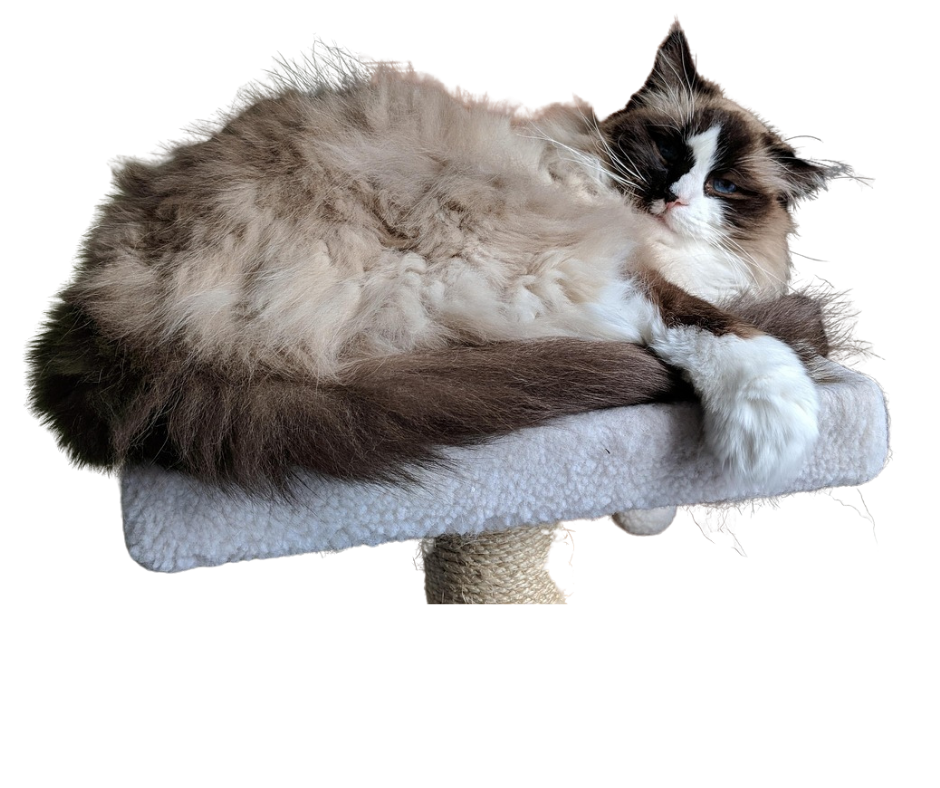
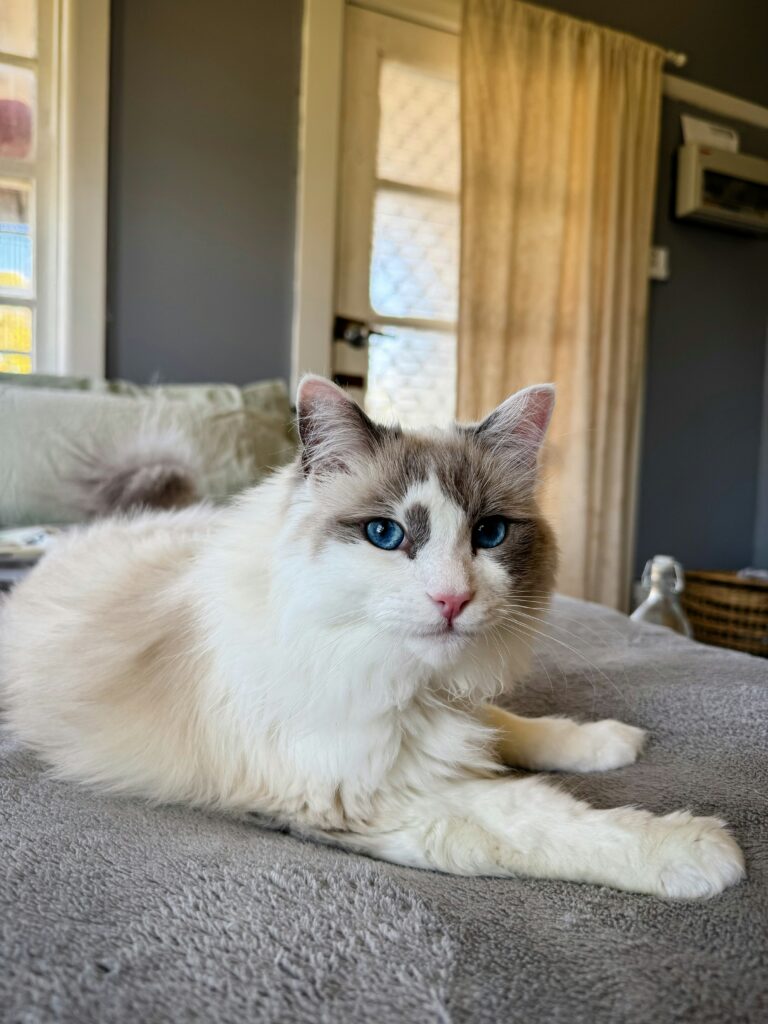
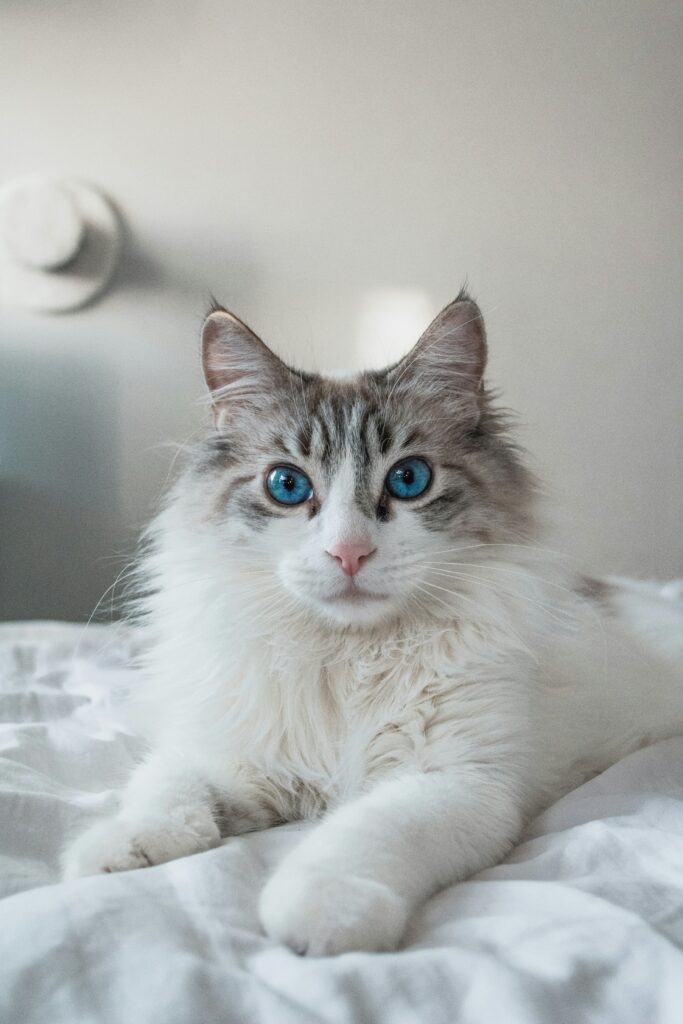
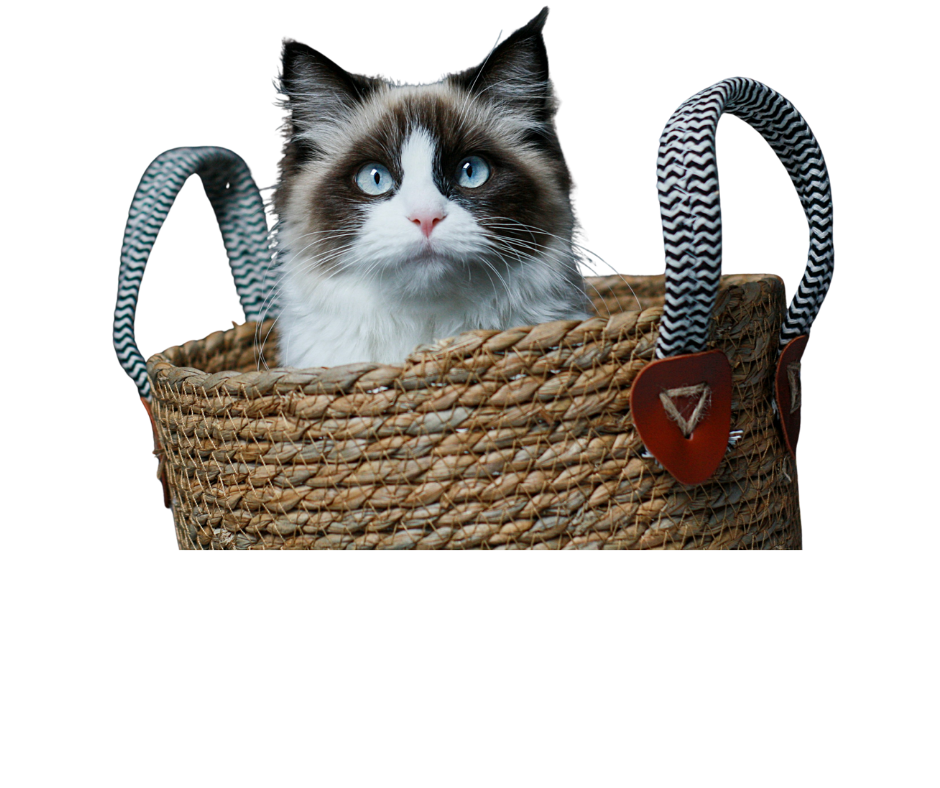
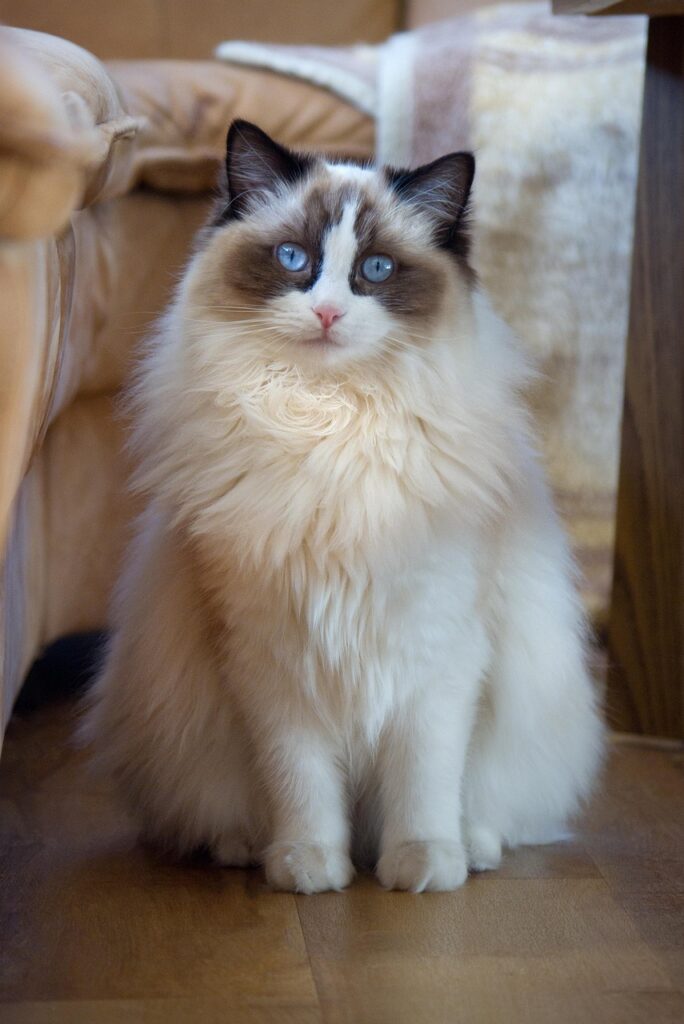
The Ragdoll is a large, striking pedigree cat, recognised for its bright blue eyes, silky semi-long coat and calm, affectionate nature. As one of the larger cat breeds, Ragdolls have a plush, muscular build and are famous for their relaxed, floppy behaviour when picked up, which gives the breed its name. Originating in California in the 1960s, they were selectively bred for their gentle temperament and people-focused personality.
Ragdoll cats are sociable, laid-back and thrive on human company, making them ideal companions for families, households with other pets and owners looking for a calm, affectionate cat. Although generally healthy, Ragdolls can be prone to certain inherited conditions, which is why Ragdoll cat insurance is worth considering. The right cover can help manage the cost of unexpected veterinary treatment, medication or surgery, while giving you peace of mind.
Ragdoll cat facts
Ragdolls are gentle, laid back and affectionate cats that usually thrive on routine and human company. Like many cats, they are often happiest as indoor cats, where their safety can be easier to manage.
Quick Ragdoll facts
- Temperament: Calm, affectionate and gentle; highly people-focused and enjoys companionship
- Lifespan: 12–17 years
- Price: £500–£1,500 depending on breeder, pedigree and colour
- Size: Large, slow to mature. Compared to Maine Coons, which are also a large and friendly breed, Ragdolls tend to be less talkative but share a similar affectionate nature.
- Weight: 4.5–9kg (males typically larger than females)
- Coat pattern: Colourpoint (including seal, blue, chocolate, lilac, with bicolour or mitted variations)
- Grooming: 2–3 times per week to prevent tangles and reduce loose hair
- Exercise needs: Low to moderate; enjoys gentle daily play and indoor enrichment
Why choose Muddy Paws insurance for your Ragdoll?
With Muddy Paws Ragdoll insurance, you can protect your Ragdoll all the way through from 5 weeks old up until their 11th birthday. Taking out insurance early is important, as most cat insurance policies do not cover pre-existing conditions. Insuring your cat before any symptoms appear or a diagnosis is made helps ensure you’re covered when you need it most.
Muddy Paws makes pet insurance simple, helping you manage the cost of veterinary treatment if your Ragdoll needs care due to illness or injury. Cover can include medication, vet-prescribed treatments and surgery, giving you peace of mind as your cat grows.
Common health conditions in Ragdoll cats
Ragdolls are generally a healthy breed, but like all other cats, they can be susceptible to certain health conditions, which is why Ragdoll cat insurance is often recommended to help cover treatment costs and support long-term care. Some common health conditions include:
Ragdoll cat care
Feeding and nutrition
Ragdolls benefit from a balanced, high-quality diet suited to their cat’s age, weight and activity level, as well as their life stage and indoor lifestyle. Because they are a large breed, portion control helps maintain a healthy weight and supports long-term wellbeing.
Grooming
Their semi-long coat is softer than it looks, but it can still tangle. Regular brushing helps reduce knots, loose hair and hairballs, while also giving you a chance to spot changes in skin or coat condition.
Exercise and enrichment
Ragdolls are not usually hyperactive, but they still need daily play. Wand toys, puzzle feeders and climbing spots help support mobility, keep weight under control and prevent boredom.
Many cats, including Ragdolls, benefit from enrichment activities and social interaction to stay mentally and physically healthy. Ragdolls are known for their friendly nature and often get along well with other cats and pets in the household.
Indoor comfort
Many Ragdolls do well as indoor cats. Provide cosy resting areas, consistent routines and plenty of gentle interaction, as this breed often prefers company.
Muddy Paws’ insurance offerings for Ragdolls
Muddy Paws offers cat insurance designed specifically to provide cover for breeds like the Ragdoll.
- Flexible cat insurance policies
- Option to pay the vet directly
- Fast claim handling
- Nationwide access to veterinary care
This gives owners peace of mind that if their pet should fall ill, suffer an injury, or need urgent veterinary treatment, they are financially protected.
Frequently asked questions about Ragdoll cats and their insurance