Persian Cat Breed Information and Advice

Table of Contents

The Persian is one of the world’s oldest and most recognisable pedigree breeds, prized for its long, flowing coat, sweet round face and calm, gentle nature. Originating in Persia (modern-day Iran) and brought to Europe in the 1600s, Persians have been a favourite of cat lovers for centuries, and remain one of the most popular pedigree breeds in the UK today.

Persians are quiet, affectionate and easy-going companions who tend to prefer a peaceful lap or a sunny windowsill over boisterous play. However, their striking flat-faced appearance and luxurious coat come with some breed-specific health and grooming needs, which is why Persian cat insurance is worth considering carefully before you bring one home.


Persian cat facts

Persians are calm, gentle and undemanding cats, originally developed in Persia and refined by breeders in Europe and America over the last century. They’re best known for their long, dense coat, flat face and large, expressive eyes. They’ve been selectively bred into a wide range of colours and patterns.

Persians are generally happiest in a quiet, settled indoor home. They’re not especially vocal or energetic, and many are content to spend their day dozing rather than climbing or exploring.

Quick Persian facts

  • Temperament: Calm, gentle and affectionate; prefers a quiet, settled home to a boisterous one
  • Lifespan: 12–15 years
  • Price: £500–£1,500+ depending on pedigree, breeder and colouring
  • Size: 25–38cm tall, 37–44cm in body length
  • Weight: 3–5.5kg
  • Coat pattern: Over 300 recognised colour and pattern combinations, including solid, tabby, bicolour and colourpoint (Himalayan)
  • Grooming: Daily combing, plus regular bathing
  • Exercise needs: Low to moderate; short bursts of gentle play rather than sustained activity
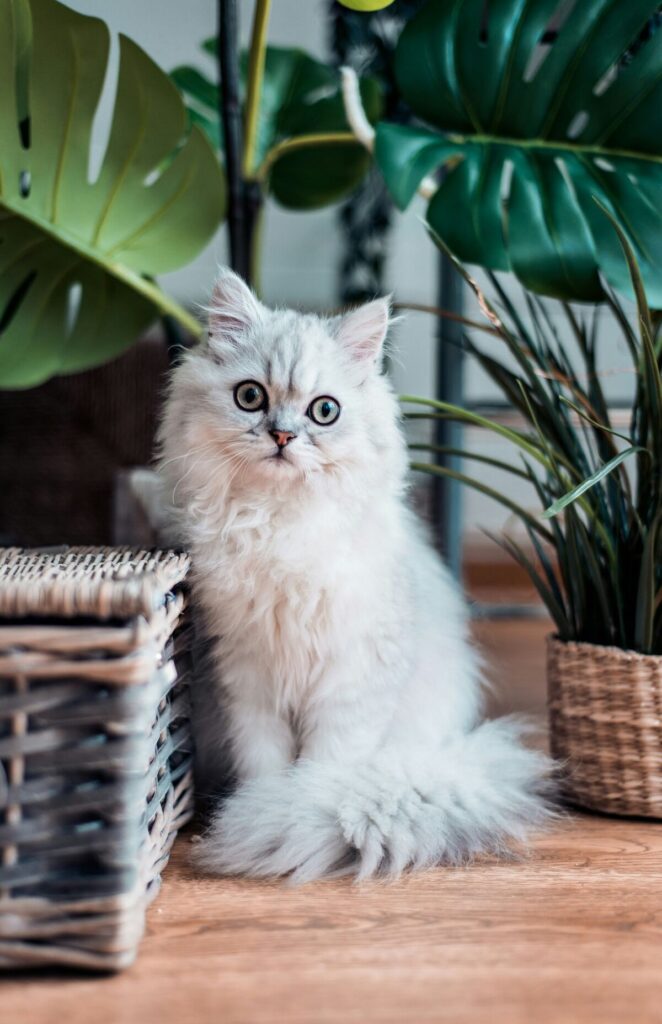
white persian cat stood in front of a plant - persian cat insurance

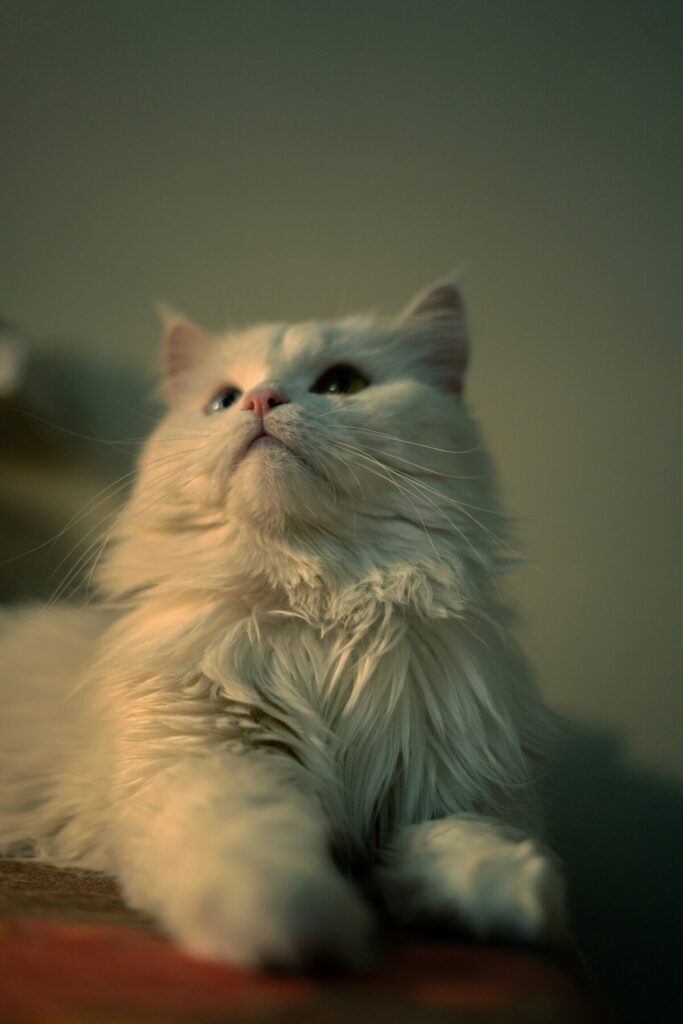
white persian cat laying down looking up - persian cat insurance

Why choose Muddy Paws for Persian cat insurance?


Common health conditions in Persian cats

Persians are a much-loved breed, but as a pedigree with a distinctive flat-faced conformation, they can be prone to a number of inherited and breed-related health conditions. Regular vet check-ups help with early detection, and Persian cat insurance is often recommended to support treatment and long-term care.
A genetic condition, present from birth, where fluid-filled cysts gradually enlarge within the kidneys and eventually affect kidney function. There’s no cure, but a DNA test can identify carriers, and responsible breeders will screen their cats for it.

Because of their short, flat faces, Persians can struggle to breathe as easily as cats with a more typical muzzle length, and many get short of breath quickly or suffer from inflammation and swelling in their airways. Symptoms can be worsened by heat or exertion, and severe cases may need surgery to widen the airways.

An inherited eye condition that causes gradual deterioration of the retina, eventually leading to blindness. Genetic testing can identify affected cats, but there’s currently no treatment to reverse the condition.

A form of heart disease that thickens the heart muscle and reduces blood flow. HCM is one of the most commonly diagnosed conditions in pedigree cats, including Persians, and regular heart screening can help catch it early.

Persians’ dense double coats can make them more prone to fungal skin infections such as ringworm, as well as primary seborrhoea, which causes greasy, scaly skin. Their prominent eyes and facial folds can also be prone to soreness if not kept clean, so regular grooming and prompt vet treatment help keep symptoms under control.

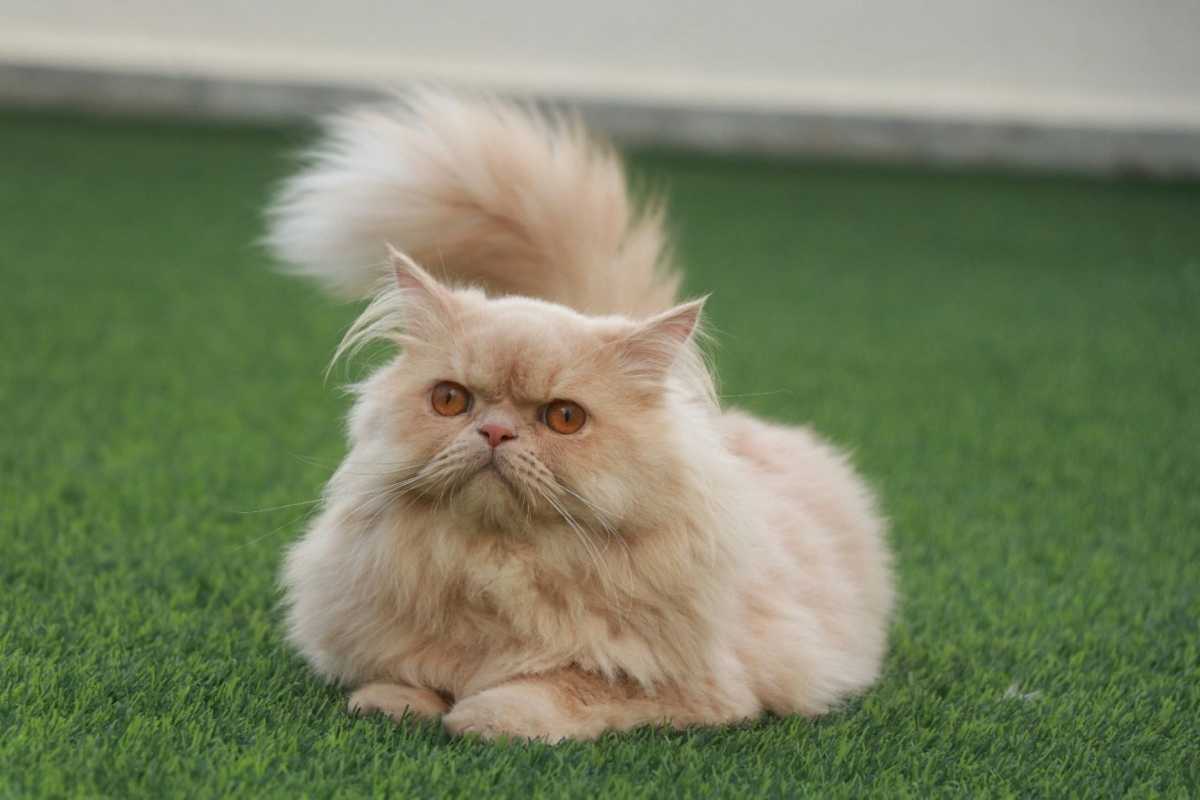
ginger persian cat lying on grass - persian cat insurance

Extra cost of Persian cat ownership

Owning a Persian cat can be hugely rewarding, but it does come with additional costs beyond the usual essentials. Persians can be more prone to certain breed-related health conditions, which may lead to higher vet bills, ongoing monitoring, or specialist treatment, making pet insurance one of the more important ongoing expenses for which to budget.

Choosing Muddy Paws pet insurance can give you financial protection and peace of mind. Alongside insurance, owners should also budget for high-quality food, regular grooming (whether that’s investing in the right tools or booking a professional groomer), routine vet checks and eye-cleaning essentials to manage tear staining around their flat face.

Planning ahead and selecting the right Persian cat insurance with Muddy Paws helps manage these costs and ensures your Persian receives the care it needs throughout its life.


Persian cat care
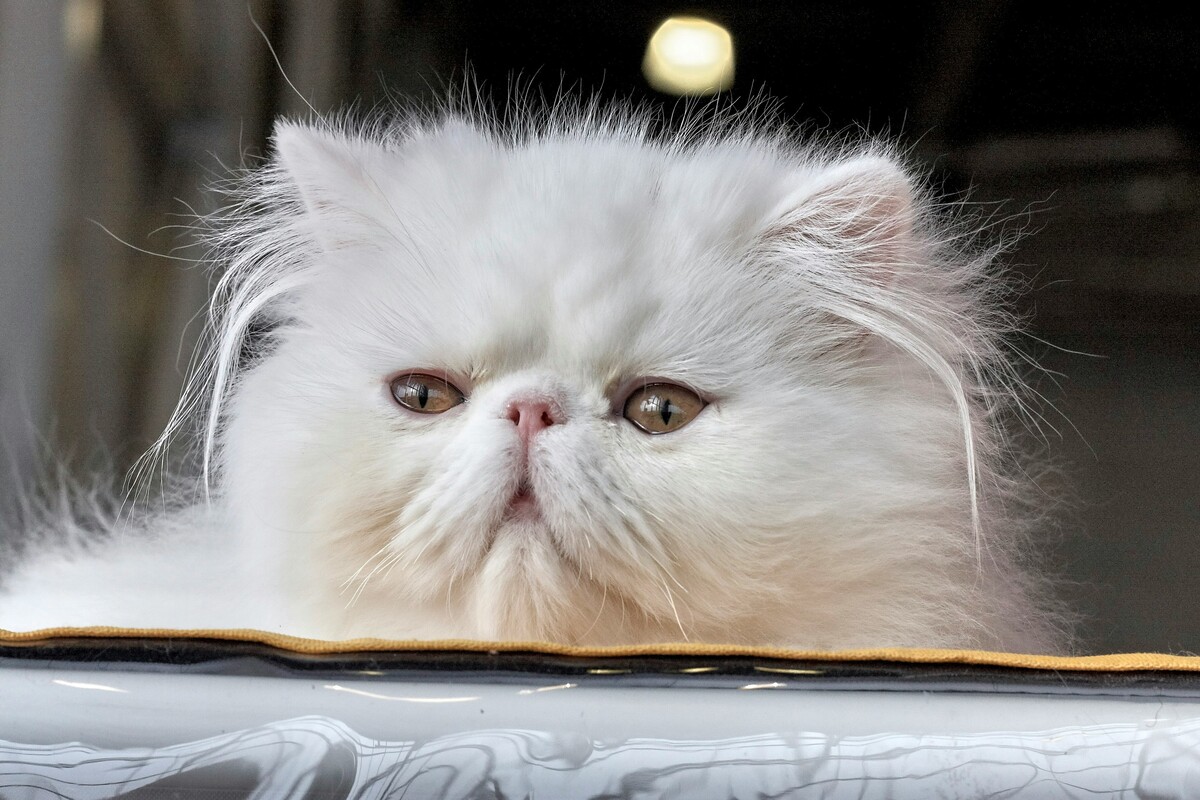
A Persian’s diet should consist of balanced, high-quality food tailored to their age, size and activity level. Persians are not a particularly active breed, so it’s worth keeping an eye on portion sizes to help prevent weight gain, which can put extra strain on their joints and breathing. Feeding guidelines on packaging are a useful starting point, and your vet can advise if you’re unsure.

Persians require considerably more grooming than most breeds. Their long, thick coat should be combed daily, ideally with a metal comb that reaches the undercoat, to prevent painful matting and tangles. Regular bathing, every few weeks, also helps keep their coat clean and manageable. Because of their flat face and shortened tear ducts, many Persians experience tear staining around the eyes, so gently wiping the face daily can help prevent soreness and discolouration.

Persians aren’t a highly active breed and tend to prefer occasional bursts of play over sustained exercise. Short sessions with feather wands or soft toys are usually enough to keep them engaged, and a scratching post or low perch can help satisfy their more modest activity needs. Indoor living generally suits Persians well, given the extra care their coat and airways require.

Persians are usually easy to litter train and respond well to calm, positive reinforcement. They’re not typically food-motivated tricksters like some breeds, but rewards such as treats and gentle praise can help with grooming tolerance and settling into a routine, which matters given how much handling their coat and eyes need.

white persian cat resting its head on a table - persian cat insurance

Muddy Paws Persian Cat Insurance

Muddy Paws offers cat insurance designed specifically to provide cover for breeds such as the Persian cat:

  • Comprehensive cover for peace of mind
  • Flexible plans tailored to your Persian’s age, lifestyle and health needs
  • Fast, simple claims when you need support most
  • Nationwide vet access, wherever you are in the country
  • Insure more than one pet and you may be eligible for a multi-pet discount
  • Pay your premiums monthly to help manage costs

Frequently asked questions about Persian cats and insurance
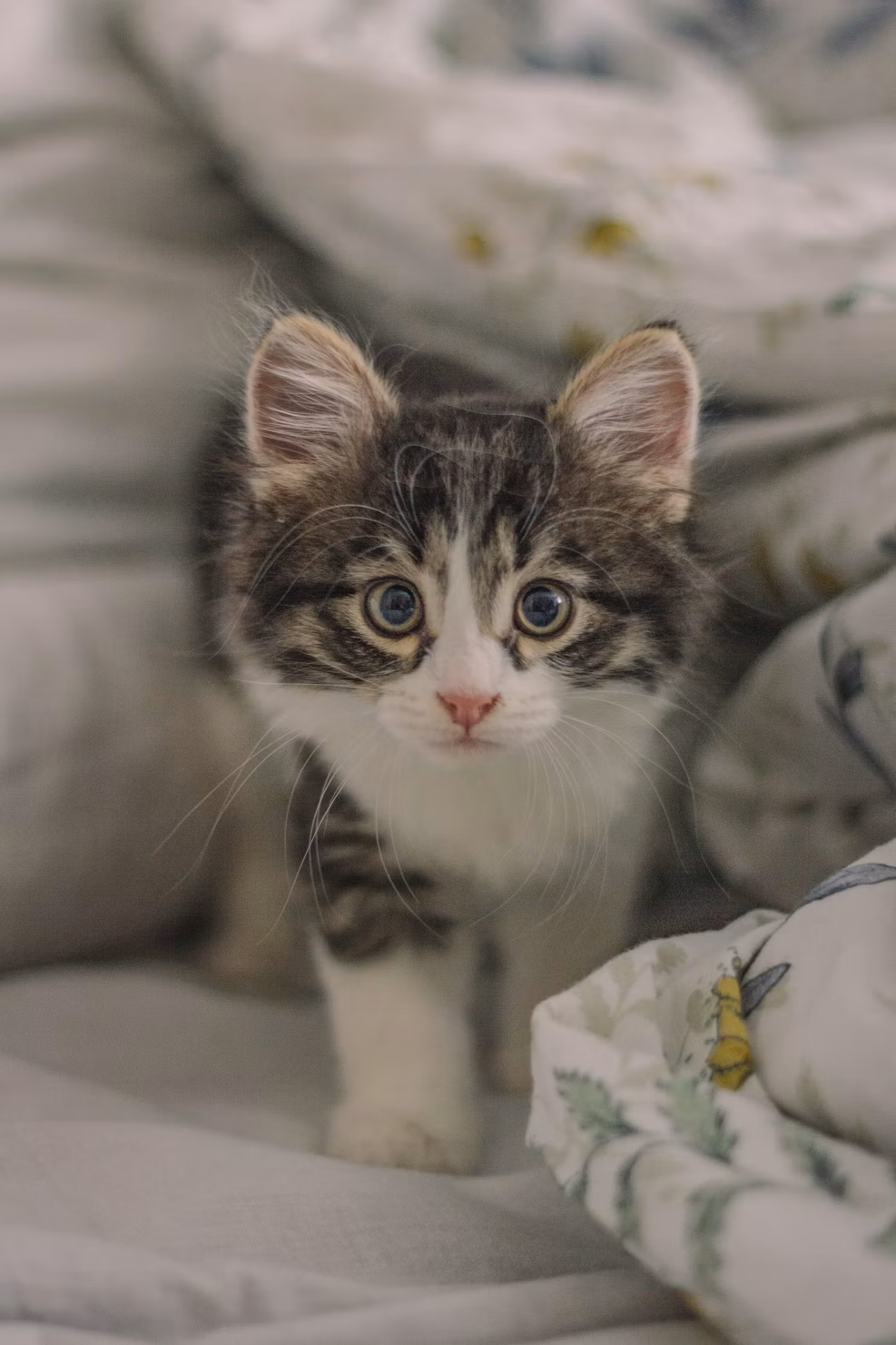
No. Persians have a long, thick double coat that sheds a fair amount, especially with the seasons, and they produce the Fel d 1 protein common in cat allergies, so they’re not a good fit for allergy sufferers.

Prices typically range from £500 to £1,500 or more, depending on the breeder, pedigree, colouring, and coat type.

Yes, in terms of grooming. Persians need daily combing and regular bathing to keep their coat free of mats, plus daily face cleaning to manage tear staining. They’re low maintenance when it comes to exercise, as they’re a naturally calm and quiet breed.

Persians can cost more to insure than some non-pedigree breeds, as they’re prone to certain inherited and breed-related conditions. Pre-existing conditions aren’t covered by most insurance policies, so it’s worth getting kitten insurance for your Persian as early as possible. You can choose to pay monthly or annually for your premiums.

Generally, yes. Persians are gentle, affectionate, and well suited to a calm household. They tend to do best with older children and other quiet pets, rather than boisterous, high-energy households.

Himalayan Persians (sometimes just called Himalayans) are a colourpoint variety of the Persian breed, with a lighter body and darker “points” on the ears, face, paws, and tail, similar to Siamese markings. They often have striking blue eyes and carry all the same coat and grooming needs as other Persians.

tabby and white coloured persian cat - insurance

  • Great customer service

    Excellent Service, all enquires followed up straight away. great communication throughout the process. Thank you!
    Kerri
    July 2025
  • Easy to deal with

    Easy to speak to on the phone. Reasonable price. Paid claims with no problems. Message to keep up date on the claim and advised when paid.
    Lynda
    February 2023
  • Peace of mind

    Renewal went smoothly, no complaints. Haven’t had to make a claim hopefully won’t have to, it’s all about peace of mind.
    Janet
    January 2023