
Sphynx Cat Breed Information and Advice
Table of Contents
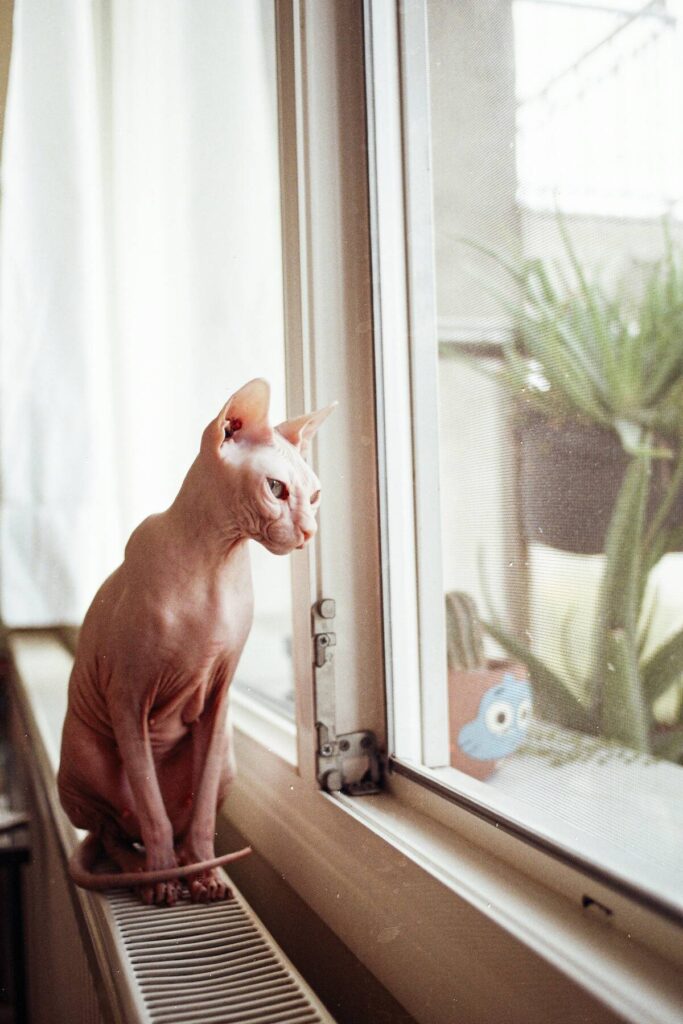
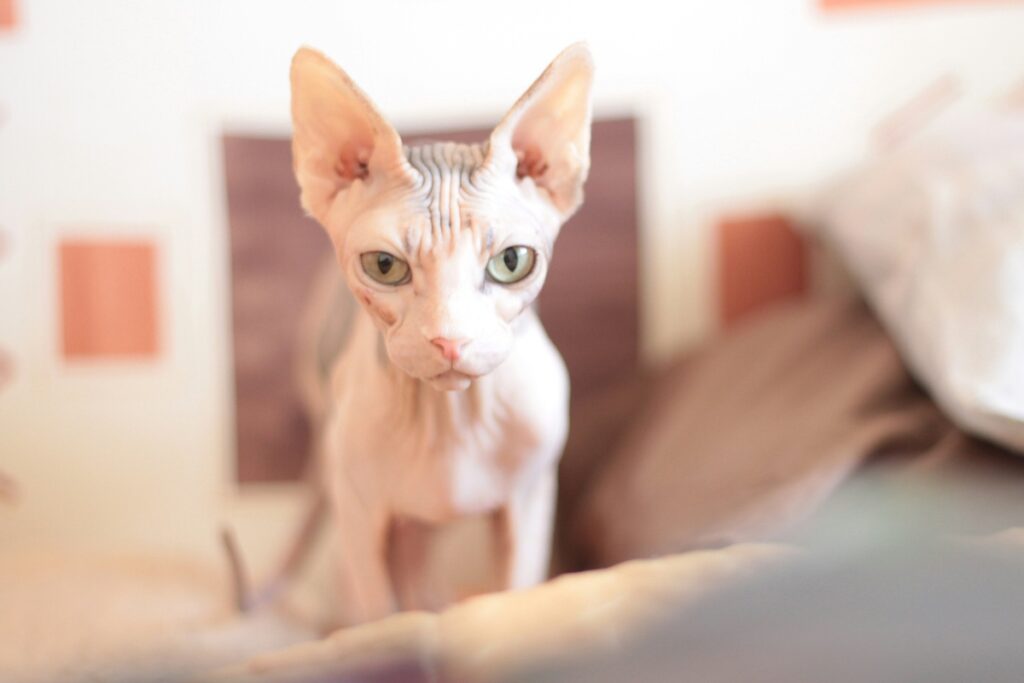
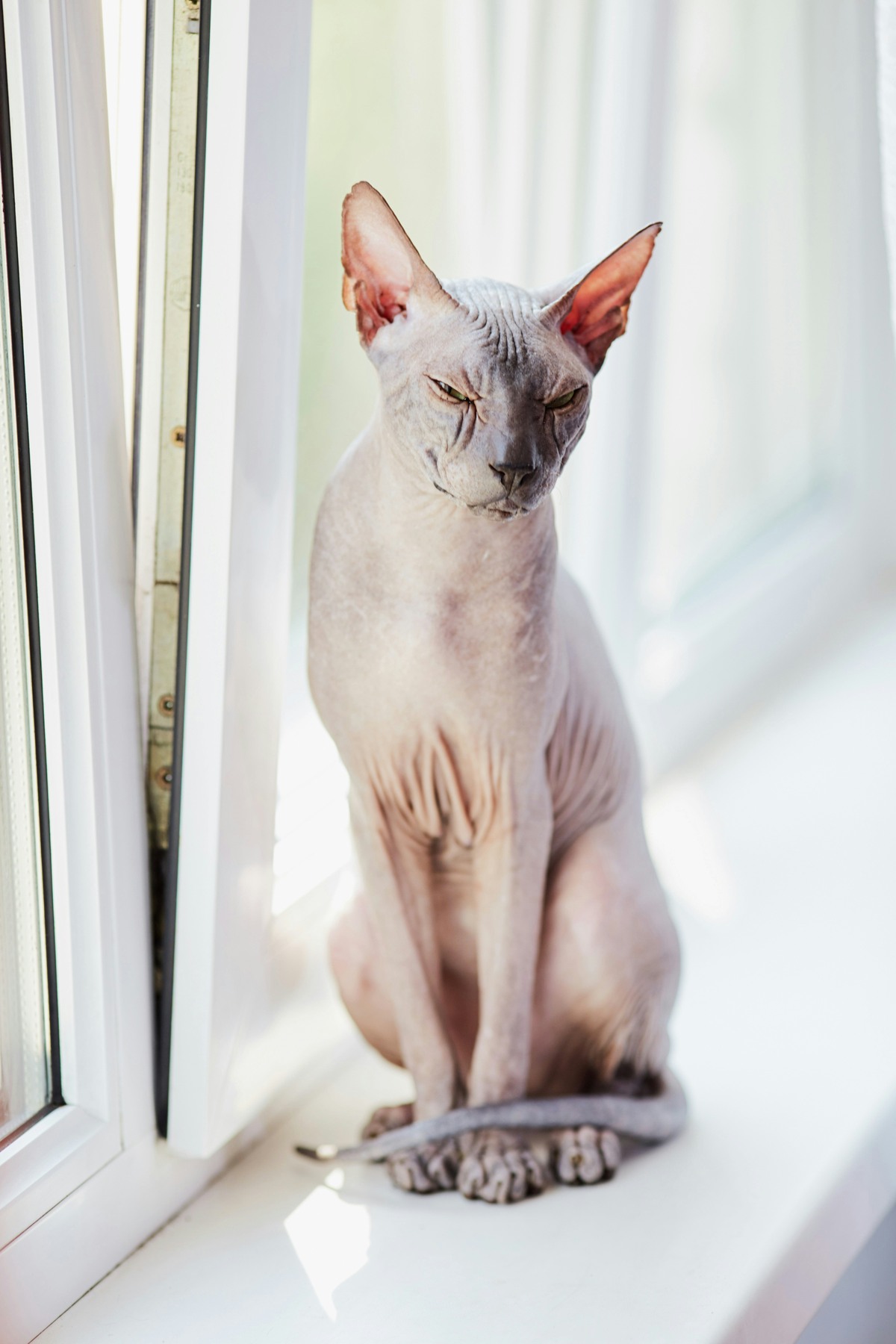
The Sphynx is one of the most instantly recognisable cat breeds, known for its wrinkled, almost entirely hairless skin, large ears, and warm, muscular body that owners often compare to a hot water bottle. Despite the striking looks, the Sphynx is famous for being one of the most affectionate and people-focused cats around, following owners from room to room and settling in for a cuddle at every opportunity. Originating in Canada in the 1960s, from a naturally-occurring hairless kitten, the breed was carefully developed to be a healthy, sociable companion, rather than simply a novelty.
Sphynx cats are playful, intelligent, and often described as dog-like in their loyalty, but their unusual coat, or lack of, means they have specific care needs. Because they lack the insulation and protection that fur provides, Sphynx cats can be prone to particular health conditions, including heart and skin problems, which is why Sphynx cat insurance is worth serious consideration. The right policy can help you manage the cost of vet bills, medication, or surgery, so you can focus on giving your Sphynx the best possible care.
Sphynx cat facts
Sphynx cats are sociable, energetic, and deeply attached to their owners, often following them around the house and seeking out warm laps and blankets. Because of their sensitivity to temperature and sun exposure, they are best suited to life as indoor cats.
Quick Sphynx facts
- Temperament: Affectionate, energetic, and highly social; playful, mischievous, and often described as dog-like
- Lifespan: Typically cited as 8–14 years, though recent Royal Veterinary College research has flagged the breed as having a lower average life expectancy than most other domestic cats
- Price: £800–£2,000+ depending on breeder, pedigree, and colour
- Size: Medium build, muscular and surprisingly heavy for its size, with a rounded belly, large ears, and distinctive wrinkled skin
- Weight: 3–5kg (males typically larger than females)
- Coat: Hairless, or covered in a fine, suede-like peach fuzz, particularly around the nose, ears, and tail
- Skin care: Weekly bathing needed to remove natural oil build-up, plus regular ear cleaning and nail trimming
- Exercise needs: High; energetic, playful, and enjoys climbing, chasing, and interactive toys
Why choose Muddy Paws insurance for your Sphynx?
With Muddy Paws Sphynx cat insurance, you can protect your Sphynx from 5 weeks old up until their 11th birthday. Taking out insurance early is especially important for this breed, as conditions like hypertrophic cardiomyopathy and inherited skin problems can develop while your cat is still young, and most policies will not cover pre-existing conditions. Insuring your Sphynx before any symptoms appear, or a diagnosis is made, helps ensure you’re covered when you need it most.
Muddy Paws makes pet insurance simple, helping you manage the cost of veterinary treatment if your Sphynx needs care due to illness or injury. Cover can include medication, vet-prescribed treatments, and surgery, giving you peace of mind as your cat grows.
Common health conditions in Sphynx cats
Sphynx cats are generally hardy and outgoing, but their unusual coat and genetics mean they can be prone to a specific set of health conditions, which is why Sphynx cat insurance is often recommended to help cover treatment costs and support long-term care. Some common health conditions include:
Sphynx cat care
Feeding and nutrition
Sphynx cats tend to have a faster metabolism than many other breeds, partly because they burn extra energy keeping warm without a coat, so they often need more food relative to their size. A balanced, high-quality diet suited to your cat’s age, weight, and activity level is essential to support their health and energy needs.
Skin care and bathing
Unlike most cats, the Sphynx needs regular bathing, usually weekly, to remove the natural body oils that would normally be absorbed by fur. Left unwashed, this oily build-up can lead to skin irritation, blocked pores, and unpleasant odour. Between baths, gently wiping the skin with a damp cloth, and paying close attention to the folds and wrinkles, helps keep skin healthy. Ears and nails also need regular attention, as wax and debris can build up more quickly than in coated breeds.
Temperature control
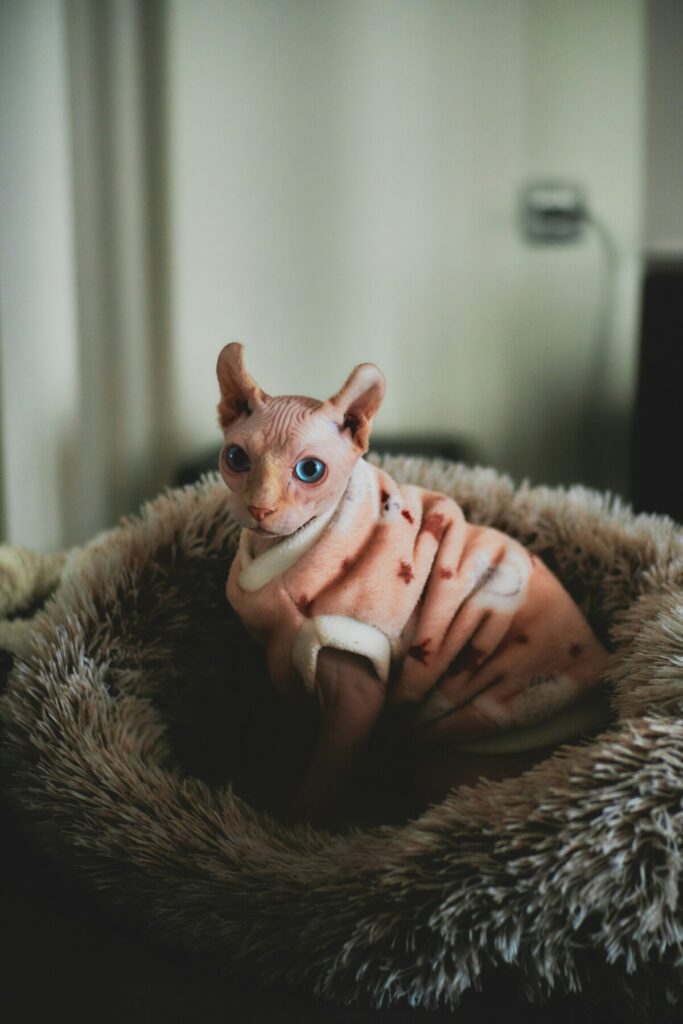
Without a coat to insulate or protect them, Sphynx cats are sensitive to both cold and sun. In colder months, a warm cat jumper, cosy bedding, and access to heated spots can help keep your Sphynx comfortable. In sunnier weather, direct sun exposure should be limited, and pet-safe sun protection may be worth considering, as sunburn is a real risk for this breed.
Exercise and enrichment
Far from being a lap-only cat, the Sphynx is playful, energetic, and curious, and benefits from daily interactive play. Wand toys, puzzle feeders, and safe climbing spots help support fitness, prevent boredom, and satisfy their mischievous streak. Sphynx cats are highly social and can become lonely or anxious if left alone for long periods, so plenty of company and stimulation matters as much as physical exercise.
Indoor living
Given their sensitivity to temperature and sun, and their lack of natural protection in an altercation with another animal, most Sphynx cats are best kept as indoor cats. Providing warm resting areas, consistent routines, and plenty of interaction will help your Sphynx feel safe and settled.
Muddy Paws’ insurance offerings for Sphynxes
Muddy Paws offers cat insurance designed to provide cover for breeds like the Sphynx, including the conditions they’re more likely to face:
- Flexible cat insurance policies
- Option to pay the vet directly
- Fast claim handling
- Nationwide access to veterinary care
This gives owners peace of mind that if their pet should fall ill, suffer an injury, or need urgent veterinary treatment, they are financially protected. For more tips on keeping your cat happy and healthy, take a look at our articles and advice.
Frequently asked questions about Sphynx cats and their insurance
See What Our Customers Say
See what other pet insurance customers rated us.