

Burmese Cat Breed Information and Advice
Table of Contents
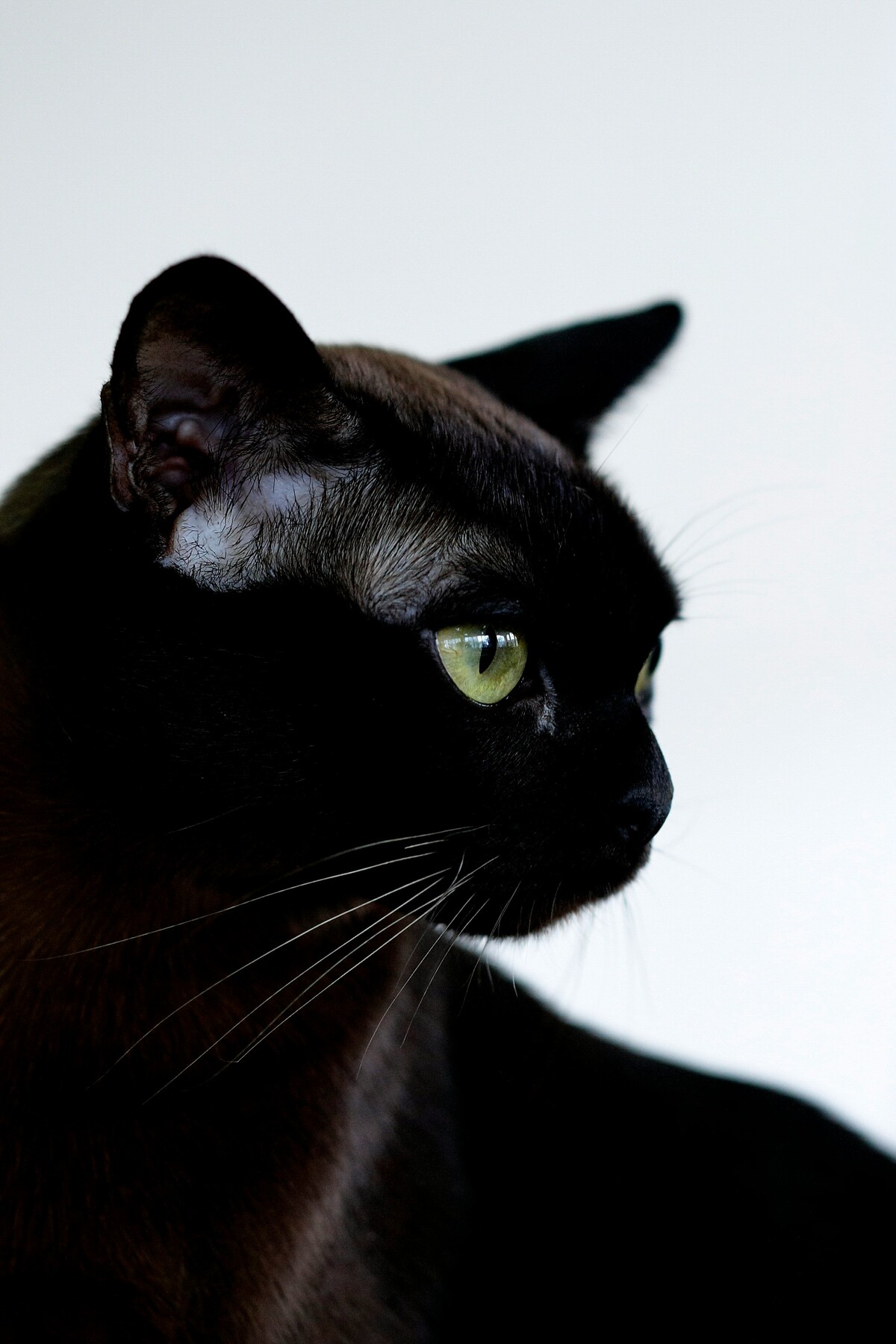
The Burmese is a compact, muscular cat with a short, glossy coat, wide-set golden eyes, and a distinctly people-focused personality. Originally bred in the United States from a single foundation cat, Wong Mau, brought over from Burma (now Myanmar) in the 1930s, the breed was refined in the UK into the sleeker, more elegant type recognised by British breed standards today. Burmese are often described as “puppy-like” thanks to their loyalty, playfulness, and habit of following their owners from room to room.
Affectionate, vocal, and curious, Burmese cats thrive on human company and don’t tend to do well left alone for long periods, which makes them a popular choice for owners who are around often. Although generally a robust and long-lived breed, Burmese can be prone to certain inherited and breed-related conditions, which is why Burmese cat insurance is worth considering. The right cover can help manage the cost of unexpected veterinary treatment, medication, or surgery, while giving you peace of mind.
Burmese cat facts
Burmese are sociable, energetic cats that bond closely with their owners and often prefer the company of people or other cats to being left to their own devices.
Quick Burmese facts
- Temperament: Affectionate, playful and vocal; highly people-focused and dislikes being left alone for long periods
- Lifespan: 12–16 years, with many living well into their teens
- Price: £500–£1,000 depending on breeder, pedigree, and colour
- Size: Medium, but surprisingly heavy for their size, often described as “bricks wrapped in silk”
- Weight: 3.5–5.5kg (males typically larger than females)
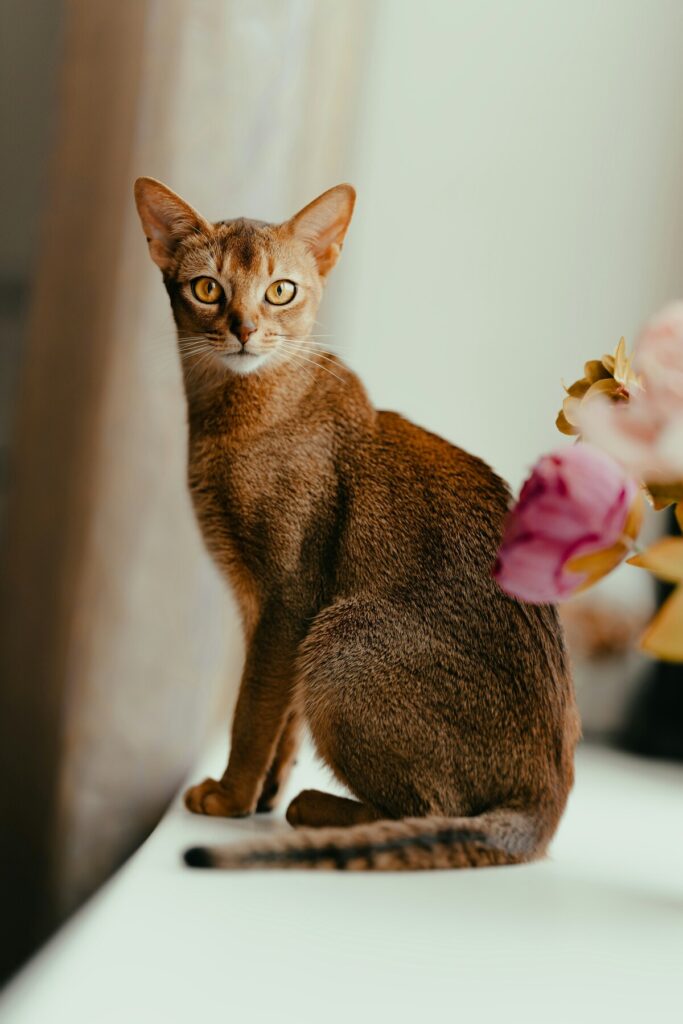
- Coat pattern: Short and glossy, most commonly seen in brown/sable, though blue, chocolate, lilac, red, cream, and tortie variations are also recognised
- Grooming: Once a week is usually enough to keep the coat glossy and remove loose hair
- Exercise needs: Moderate to high; playful and mischievous, enjoys climbing and interactive games
Why choose Muddy Paws insurance for your Burmese?
With Muddy Paws insurance, you can protect your Burmese all the way through from 5 weeks old up until their 11th birthday. Taking out insurance early is important, as most cat insurance policies do not cover pre-existing conditions. Insuring your cat before any symptoms appear or a diagnosis is made helps ensure you’re covered when you need it most.
Muddy Paws makes pet insurance simple, helping you manage the cost of veterinary treatment if your Burmese needs care due to illness or injury. Cover can include medication, vet-prescribed treatments and surgery, giving you peace of mind as your cat grows.
Common health conditions in Burmese cats
Burmese are generally a hardy, long-lived breed, but like all pedigree cats, they are predisposed to certain health conditions, which is why Burmese cat insurance is often recommended to help cover treatment costs and support long-term care. Some common health conditions include:
Burmese cat care
Feeding and nutrition
Burmese benefit from a balanced, high-quality diet suited to their age, weight, and activity level. Despite their medium size, they carry more weight than they look like they should, so portion control and regular weight checks help support a healthy body condition throughout their life.
Grooming
Their short, close-lying coat is low-maintenance compared to many pedigree breeds. A weekly brush is usually enough to remove loose hair and keep the coat glossy, and it’s also a good opportunity to check for any lumps, bumps, or changes to the skin.
Exercise and enrichment
Burmese are playful, inquisitive, and described as more dog-like than many other cat breeds. They enjoy interactive toys, puzzle feeders, and climbing opportunities, and many can be trained to play fetch or walk on a harness. Regular play helps keep them mentally stimulated and physically fit.
Companionship
Burmese form strong bonds with their owners and are known to be vocal, chatty companions who like to be involved in whatever’s going on. They don’t tend to thrive when left alone for long stretches, so this is a breed best suited to households where someone is around often, or where they have feline company to keep them entertained.
Muddy Paws’ insurance offerings for Burmese cats
Muddy Paws offers cat insurance designed specifically to provide cover for breeds like the Burmese.
- Flexible cat insurance policies
- Option to pay the vet directly
- Fast claim handling
- Nationwide access to veterinary care
This gives owners peace of mind that if their pet should fall ill, suffer an injury, or need urgent veterinary treatment, they are financially protected.
For more advice on keeping your cat happy and healthy, take a look at our articles and guides.
Frequently asked questions about Burmese cats and their insurance
See What Our Customers Say
See what other pet insurance customers rated us.