Birman Cat Insurance: Breed Information and Advice

Table of Contents

With their bright blue eyes, silky coat, distinctive white paws, and affectionate nature, Birman cats are easy to fall in love with. Sometimes known as the Sacred Cat of Burma, the Birman is a medium-to-large, semi-longhaired breed known for being gentle, playful, and particularly fond of human company.

Birmans can make wonderful companions, but, like any pedigree cat, there are health considerations owners should be aware of. Kidney problems and hypertrophic cardiomyopathy (HCM) are among the conditions associated with the breed, while unexpected accidents and illnesses can, naturally, affect any cat.

Taking out suitable Birman cat insurance can help towards eligible veterinary costs if your cat becomes ill or injured, giving you one less thing to worry about when they need treatment.


Birman cat facts

Birmans are affectionate, sociable cats that love being at the centre of family life. They are playful without generally being as demanding or energetic as some other pedigree breeds, and many enjoy following their owners around the home, sitting nearby, and communicating with a soft, chirping voice.

Their distinctive appearance comes from their colourpoint coat, deep blue eyes, and white feet. The breed was recognised in France in 1925 and by the Governing Council of the Cat Fancy (GCCF) in the UK in 1966.

Quick Birman facts

  • Temperament: Gentle, affectionate, playful, and people-focused
  • Size: Medium to large
  • Weight: Typically around 2.7–6.8kg, although males are generally larger
  • Lifespan: Around 12–16 years
  • Coat: Silky, semi-longhaired, colourpoint coat
  • Eyes: Blue
  • Distinctive feature: Pure white feet, known as gloves and gauntlets
  • Grooming: Regular brushing, with additional attention during seasonal shedding
  • Exercise needs: Moderate, with regular play and enrichment
  • Personality: Sociable and often happiest with plenty of human interaction

The GCCF describes the Birman as playful and affectionate, with a typical lifespan of 12–16 years. Despite their longer coat, the silky texture means it is generally less prone to matting than some other longhaired breeds.
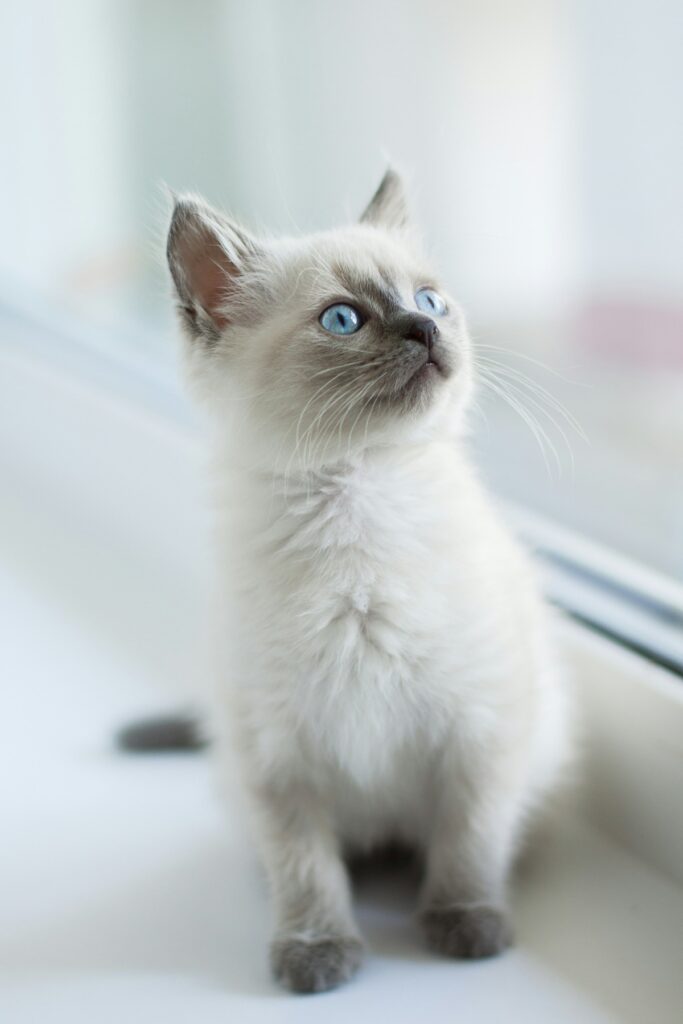
white birman cat sat by a window - birman pet insurance

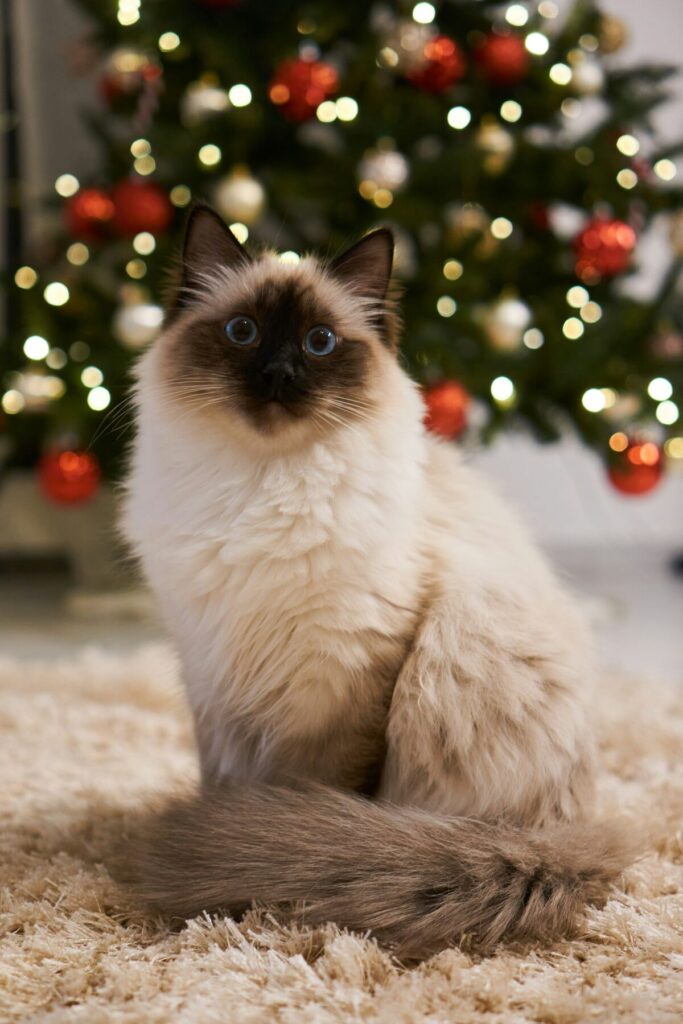
white and black birman cat sat in front of a christmas tree - insurance for birman cats

Why choose Muddy Paws insurance for your Birman?


Common health conditions in Birman cats

Birmans are generally considered a healthy breed, and having a Birman does not mean your cat will develop any of the conditions below. However, understanding health problems associated with the breed can help you recognise potential symptoms and make informed decisions about veterinary care and insurance.
Kidney disease is one of the principal health concerns highlighted for the Birman breed. Evidence of impaired kidney function has been identified in blood tests from some young Birmans, while kidney disease more generally becomes increasingly common as cats grow older.

The kidneys remove waste products from the blood, among several other important functions. Signs of kidney problems can include increased thirst and urination, reduced appetite, weight loss, vomiting, and lethargy.

Chronic kidney disease is generally progressive and may require ongoing monitoring, dietary changes, medication, and other veterinary care depending on its severity. Birman cat care guidance emphasises the value of early diagnosis and ongoing management.

Hypertrophic cardiomyopathy is a condition in which the muscular walls of the heart become abnormally thick. GCCF identifies HCM as an important health concern in Birmans and states that it is thought to have an inherited component within the breed.

Some cats with HCM may initially show few obvious signs. More advanced heart disease can cause symptoms such as weakness, lethargy, difficulty breathing, or reduced ability to exercise.

Regular veterinary health checks are important, but you should also contact your vet promptly if you notice any changes in your Birman’s breathing or general condition.

Polycystic kidney disease, or PKD, is an inherited condition in which fluid-filled cysts form within the kidneys and can interfere with kidney function over time.

GCCF describes the risk of PKD in Birmans as very low, but it remains a recognised condition within discussions of Birman health. Genetic testing is available for PKD, so prospective owners buying from a breeder can ask about the health history and screening of their kitten’s parents.

Dental problems are not unique to Birmans, but they are worth considering as part of any cat’s long-term healthcare.

Plaque and tartar can contribute to gum inflammation and dental disease, potentially causing discomfort, difficulties eating, and the need for veterinary treatment. Regular dental checks and an appropriate home dental routine can help owners spot problems earlier.

Birmans enjoy play but are not usually among the most relentlessly active cat breeds. Keeping an eye on food portions, treats, and activity levels can therefore help maintain a healthy weight.

Excess weight can place additional strain on a cat’s joints and is associated with wider health problems. Regular interactive play, suitable climbing opportunities, and a balanced diet can all contribute to maintaining a healthy body condition.

Remember that these conditions do not affect every Birman. If you are buying a kitten, ask the breeder about the health of the parents and wider family line, and speak to your vet if you have concerns about your cat’s health. The PDSA similarly recommends discussing the medical history of a prospective Birman kitten’s parents and grandparents.

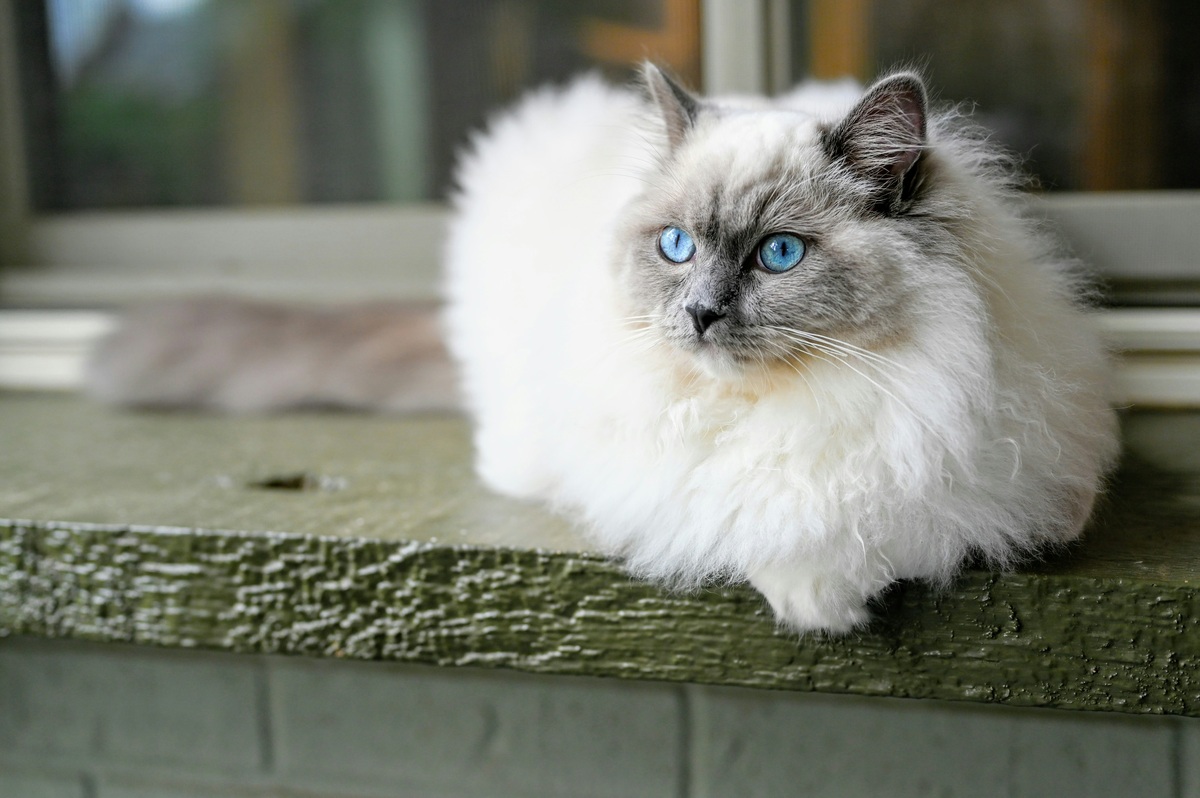
white birman cat laying on a green wooden surface - birman cat insurance

Extra costs of owning a Birman cat

Buying or adopting your Birman is only the beginning of the financial commitment. You will also need to budget for their routine care through what can be a 12–16-year lifespan.

The PDSA currently estimates the essential lifetime cost of caring for a Birman at around £13,600–£18,000. Its estimate includes essentials such as food, litter, grooming supplies, preventative healthcare, toys, a carrier, and pet insurance, but does not include the initial purchase price, non-essential expenses such as holiday care, or unexpected veterinary treatment.

Alongside your Birman cat insurance, costs to budget for can include:

  • Quality cat food and treats
  • Cat litter and litter trays
  • Routine veterinary health checks
  • Vaccinations
  • Flea and worm treatments
  • Neutering
  • Microchipping
  • Grooming brushes and combs
  • Scratching posts, toys, and enrichment
  • Beds, bowls, and a secure cat carrier
  • Dental care
  • Cat sitting, boarding, or other holiday care
  • Replacement equipment over your cat’s lifetime

There is also the possibility of unexpected veterinary treatment. Investigating an illness can involve consultations, blood tests, scans, medication, hospitalisation, or specialist care, which is why many owners choose to include pet insurance within their regular cat-care budget.


Birman cat care
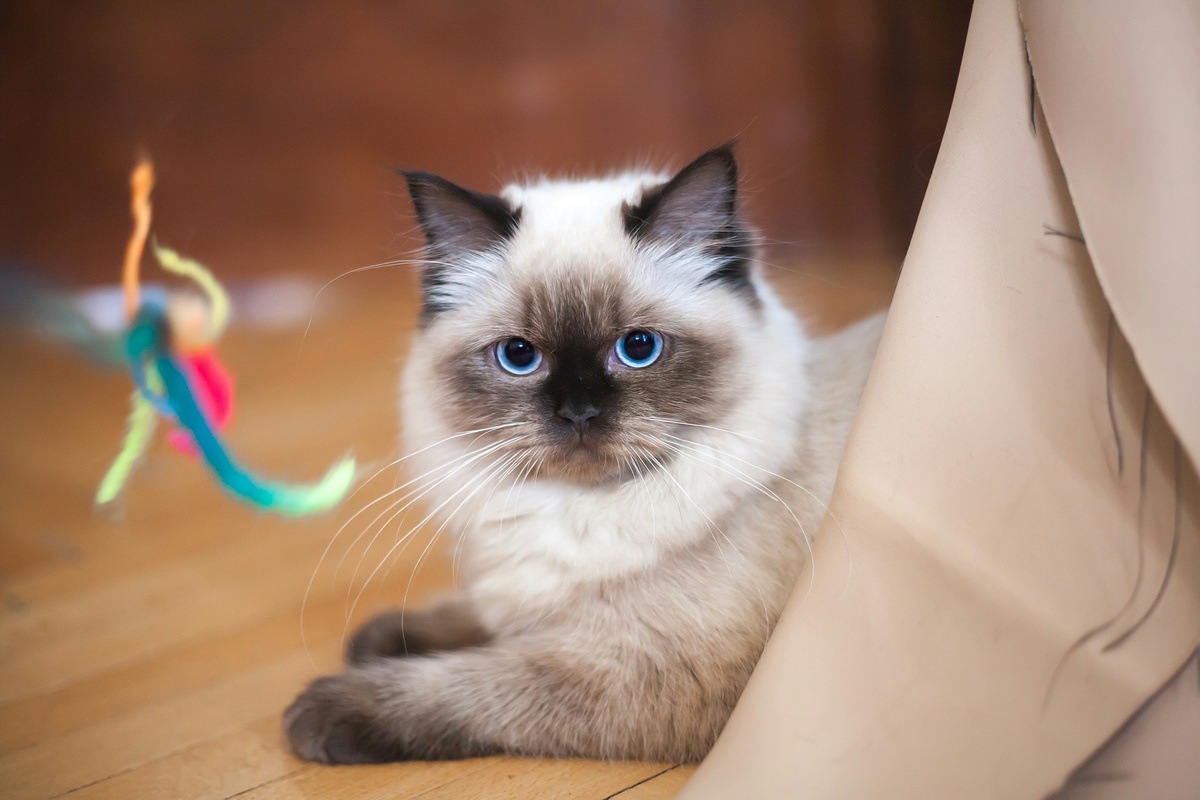
Your Birman should be fed a complete, balanced cat food suitable for their age, size, lifestyle, and health.

Portion control is important, particularly for indoor cats whose activity levels may be lower. Follow the feeding guidance for your chosen food, factor treats into their overall daily intake, and speak to your vet if you are unsure whether your Birman is at a healthy weight.

Fresh drinking water should always be available.

One of the Birman’s defining features is its soft, silky, semi-long coat. Fortunately, it tends to be less prone to matting than the coats of some other longhaired breeds.

The GCCF recommends weekly grooming, although more frequent brushing can be useful when your Birman sheds its winter coat. The PDSA gives more general guidance that longhaired cats may benefit from daily grooming, particularly around areas that are more susceptible to tangles.

Regular grooming also provides a useful opportunity to check your Birman’s skin, coat, ears, eyes, paws, and general condition for anything unusual.

Birmans might have a laid-back side, but they still need regular activity and mental stimulation.

Interactive toys, puzzle feeders, scratching posts, cat trees, and short play sessions throughout the day can encourage natural behaviours and help keep your cat physically and mentally active.

Birmans are also highly people-orientated. They often enjoy following their owners around the house, playing games, and simply spending time with their family, so interaction is an important part of their enrichment.

Birmans can adapt well to indoor life provided they have enough space, enrichment, exercise, and interaction.

Their sociable temperament means they are often happiest when they have regular company. Providing comfortable sleeping areas, places to scratch, opportunities to climb and explore, and plenty of interaction can help create a stimulating home environment.

If your cat has outdoor access, think carefully about road safety and other local risks. Secure gardens, cat-proof fencing, or enclosed outdoor spaces can offer an alternative way for indoor cats to enjoy fresh air.

For more practical help with caring for your cat, visit our pages on pet advice and guides.

white and black birman kitten laying on a wooden table - pet insurance for birman cats

Muddy Paws’ insurance offerings for Birmans

When choosing insurance for a Birman, it is worth looking beyond the monthly premium and considering how much veterinary fee cover you would have available if your cat became seriously ill.

Muddy Paws provides cat insurance for pedigree and non-pedigree cats, with cover options designed for different budgets and requirements.

Current Muddy Paws cat insurance includes:

  • Up to £10,000 of veterinary fee cover per policy year, depending on the policy selected
  • Lifetime cover options, designed to provide continuing cover for eligible conditions when the policy is renewed
  • 12 Month cover, which can help towards eligible veterinary treatment for an illness or injury for a limited treatment period
  • Cover for accidents and accidental injuries
  • Cover for a wide range of eligible illnesses
  • Potential cover for certain hereditary and congenital conditions where symptoms develop after the policy starts
  • Lost or stolen pet benefits, subject to policy terms
  • Overseas travel cover on eligible policies
  • Different levels of cover, allowing you to choose according to your needs and budget

Muddy Paws’ Lifetime policies are available as Gold, Platinum, and Diamond options, each providing a different level of cover. Lifetime policies are annual contracts, so continued cover depends on the renewal being offered and accepted. Premiums can also increase as your cat gets older and as other rating factors change.

Pre-existing conditions are not covered, so arranging insurance before your Birman develops signs of illness can be important. Always read the current policy wording and Insurance Product Information Document before purchasing so that you understand the limits, excesses, exclusions, and conditions applying to your chosen policy.


Frequently asked questions about Birman cats and insurance
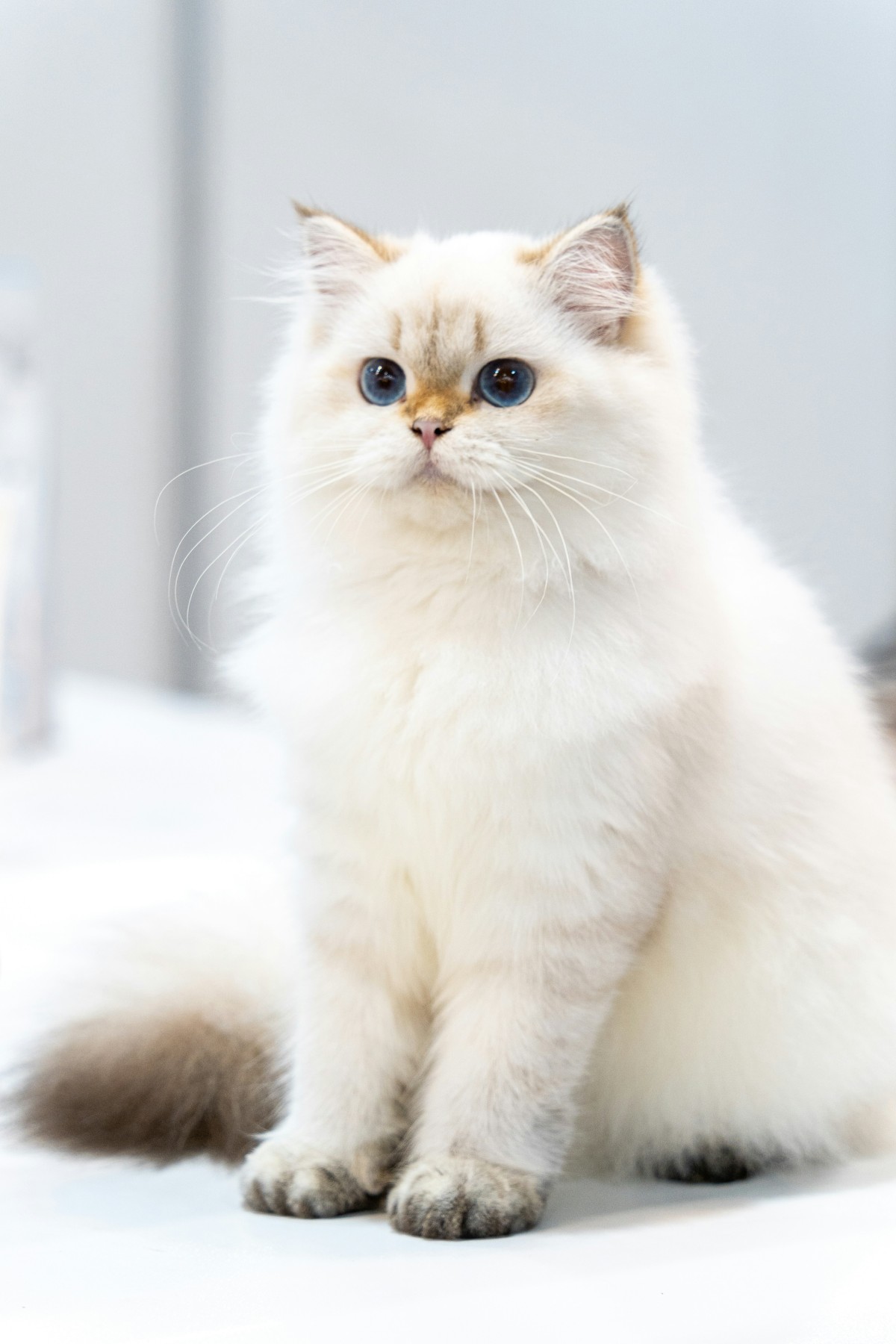
The cost of Birman cat insurance will depend on several factors, including your cat’s age, where you live, the level of veterinary fee cover you choose, and the insurer’s pricing criteria.

As Birmans are pedigree cats with some recognised breed-related health concerns, their insurance premium may differ from that of another cat. The most accurate way to find out what cover will cost for your individual Birman is to request a quote.

When comparing policies, consider more than the monthly price. Look at the veterinary fee limit, whether ongoing eligible conditions can remain covered, policy excesses, exclusions, waiting periods, and any additional benefits included.

For a breed where conditions such as kidney disease or heart disease can potentially require ongoing management, you may also want to consider the difference between Lifetime and time-limited cover.

When comparing Birman cat insurance pet services, focus on the level and duration of veterinary fee cover rather than choosing on price alone.

Check whether the policy can cover eligible recurring or long-term conditions, how much you will need to contribute towards a claim, whether hereditary or congenital conditions are included, and what happens to your cover at renewal. You should also check for useful additional benefits, such as lost pet or overseas travel cover, where these are relevant to you.

An eligible kidney condition that first develops after your Muddy Paws policy has started may be covered, subject to the policy terms, limits, waiting periods, and exclusions.

If your Birman had the condition, symptoms, or other relevant clinical signs before the policy started, it may be treated as a pre-existing condition and would not be covered.

HCM may be eligible for cover where the condition develops after your policy begins and is not pre-existing or otherwise excluded.

As with any condition, whether a specific claim is covered will depend on your cat’s medical history and the terms of the policy. Check your current policy wording for full details.

Certain hereditary and congenital conditions may be covered where symptoms develop after the policy starts. Conditions that existed, had been diagnosed or treated, or showed signs before cover began are not covered.

Always check the policy wording for the precise terms and exclusions applying to your chosen cover.

You can apply for insurance, but Muddy Paws does not cover pre-existing conditions.

This includes illnesses, injuries, symptoms, or health issues that existed or showed signs before the insurance policy began. That is one reason owners may choose to arrange cover while their Birman is still young and healthy.

It is worth considering insurance soon after bringing your kitten home and once they meet the insurer’s eligibility requirements.

Taking out cover before medical problems develop can reduce the chance of a future condition being excluded as pre-existing. Remember that waiting periods apply to new Muddy Paws policies: current policy information states that illnesses occurring within the first 14 days and injuries occurring within the first five days are not covered.

The GCCF gives the Birman an expected lifespan of around 12–16 years. Individual lifespan will vary depending on genetics, general health, diet, lifestyle, preventative healthcare, and other factors.

Providing appropriate nutrition, exercise, enrichment, regular veterinary care, and prompt attention when something changes can all contribute to your cat’s overall wellbeing.

Birmans are not generally considered particularly high maintenance, but they do need regular care and plenty of companionship.

Their semi-long coat requires routine grooming, particularly during periods of heavier shedding, while their people-focused personality means they generally appreciate interaction and attention. They also need the same preventative healthcare, dental care, nutrition, play, and enrichment as other cats.

Birmans can make good indoor cats provided their physical and behavioural needs are met.

They benefit from interactive play, scratching areas, climbing opportunities, comfortable resting places, and regular social interaction. If they do not have free outdoor access, owners should make a particular effort to provide enough exercise and enrichment inside the home.

Costs will vary considerably between households. PDSA currently estimates essential lifetime costs of around £13,600–£18,000 for a Birman, excluding their initial purchase price, optional costs such as holiday care, and unexpected veterinary treatment.

Your actual costs will depend on factors such as the food you buy, veterinary prices in your area, insurance premiums, grooming requirements, and your cat’s individual health needs.

Pet insurance can help reduce the financial impact of eligible unexpected veterinary treatment if your Birman becomes ill or is injured.

Whether insurance is appropriate for you will depend on your circumstances, budget, and attitude towards financial risk. When deciding, consider how comfortably you could meet a significant unexpected veterinary bill yourself and compare that with the cost and level of protection offered by different policies.

Muddy Paws offers both Lifetime and 12 Month options, allowing owners to select a level of cover that better matches their requirements.

a white birman cat sitting on a white bed - birman cat insurance

See What Our Customers Say

See what other pet insurance customers rated us.