Poodle Insurance: Breed Information and Advice

Table of Contents

Intelligent, athletic, and instantly recognisable for their curly coats, Poodles are much more than their elegant appearance might suggest. Originally bred as water retrievers, they are active, highly trainable dogs that tend to form close bonds with their families.

The Poodle comes in three recognised sizes (Toy, Miniature, and Standard) but all share the same underlying breed standard and many of the same characteristic traits. They are generally bright, energetic, and eager to learn, although their health risks and day-to-day costs can differ depending on their size.

Like any pedigree breed, Poodles can also be predisposed to certain health conditions. Eye disorders, joint problems, epilepsy, hormonal conditions, and, particularly in larger Poodles, gastric dilatation-volvulus are among the issues of which owners should be aware. Suitable Poodle insurance can help towards eligible veterinary costs if your dog becomes unexpectedly ill or injured.


Poodle facts

Despite being closely associated with France, the Poodle originated in Germany, where the breed was developed as a water retriever for duck hunting. Even the distinctive traditional Poodle trim had a practical purpose, helping dogs move through water while leaving areas of coat around important joints for protection from the cold.

The Royal Kennel Club recognises three varieties of Poodle according to size: Toy, Miniature, and Standard. Although their physical size differs considerably, all three are known for intelligence, receptiveness to training, and energy.

Quick Poodle facts

  • Temperament: Intelligent, affectionate, alert, playful, and active
  • Breed group: Utility
  • Varieties: Toy, Miniature, and Standard
  • Toy Poodle: Up to 28cm
  • Miniature Poodle: Over 28cm and up to 38cm
  • Standard Poodle: Over 38cm
  • Lifespan: Generally over 12 years
  • Coat: Dense, curly, and low shedding
  • Grooming: Regular home grooming plus professional clipping
  • Exercise needs: Around an hour per day for most healthy adults
  • Training: Highly intelligent and generally responsive to reward-based training

The exact needs of an individual Poodle depend on their size, age, health, and personality. Standard Poodles, for example, naturally require more physical space and food than their smaller Toy counterparts, while all three varieties benefit from regular mental stimulation.
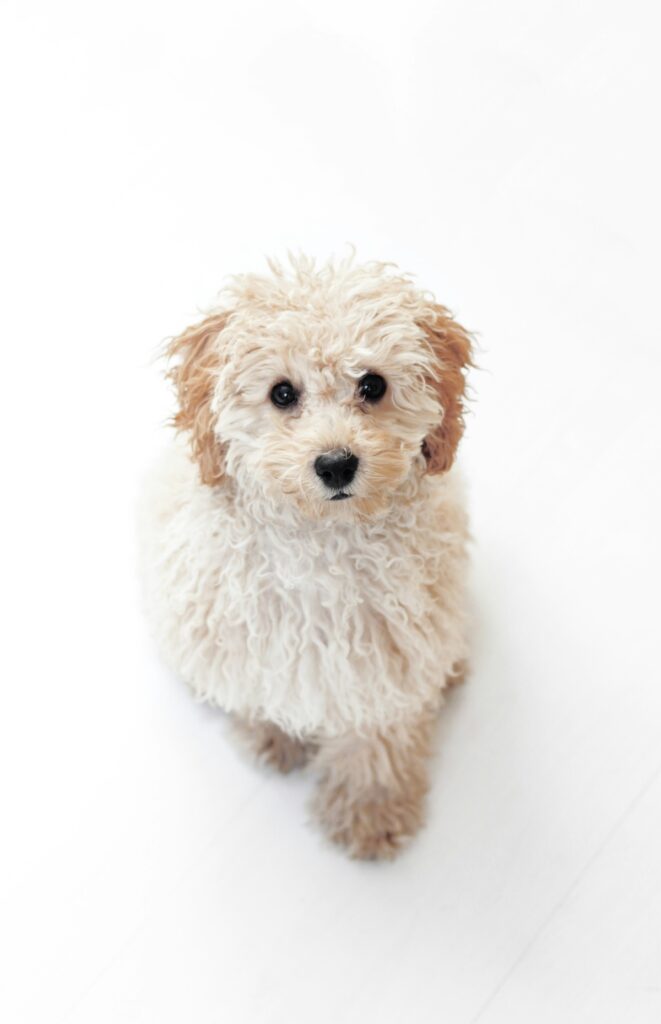
white poodle looking up against a white background - poodle insurance

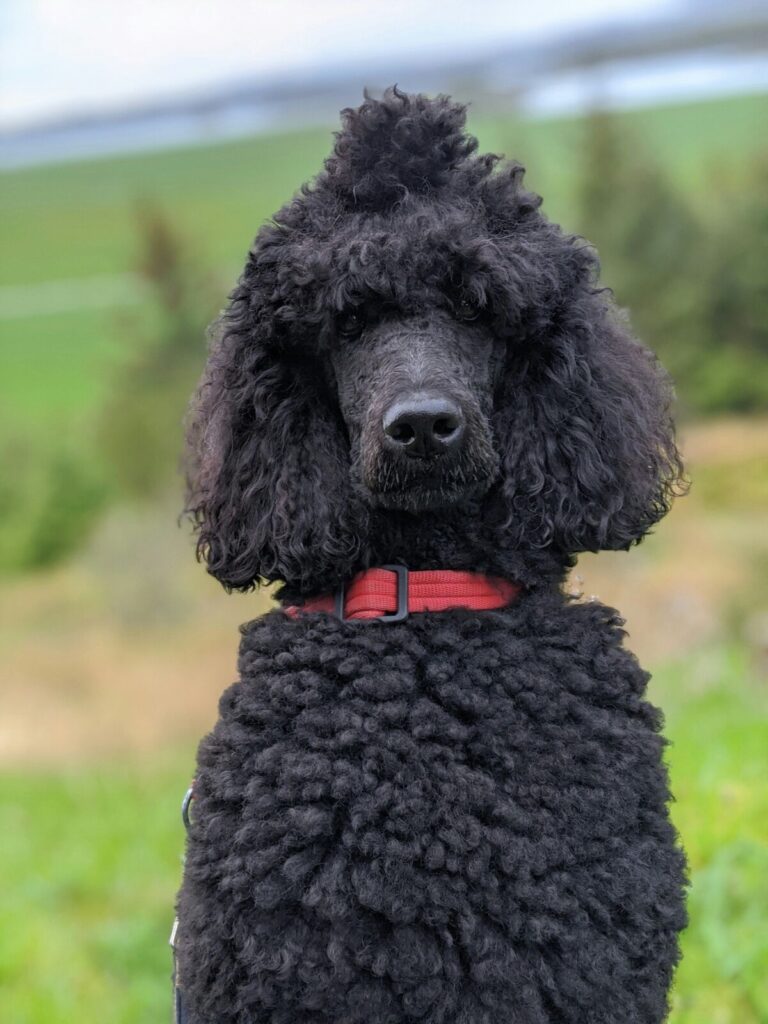
black poodle on green grass during daytime - poodle insurance

Why choose Muddy Paws insurance for your Poodle?


Common health conditions in Poodles

Poodles are not guaranteed to develop any of the conditions below, and health risks can vary between Toy, Miniature, and Standard Poodles. However, understanding some of the conditions associated with the breed can help owners identify potential symptoms earlier and make a more informed decision when choosing insurance.
Progressive retinal atrophy, or PRA, is an inherited eye disease that causes deterioration of the retina. Symptoms can begin with difficulty seeing in low light and may eventually progress to blindness.

Cataracts, dry eye, distichiasis, and entropion are also among potential eye problems affecting Poodles.

Eye health is an important part of responsible Poodle breeding. Relevant eye and PRA DNA testing for Poodle varieties are recommended, although the exact tests differ between Toy, Miniature, and Standard dogs. If you are buying a Poodle puppy, ask the breeder which health tests have been completed on both parents and request evidence of the results.

Addison’s disease occurs when the adrenal glands do not produce enough of certain hormones, including cortisol. Symptoms may include tiredness, weakness, vomiting, diarrhoea, reduced appetite, and weight loss. Because these symptoms can occur with many other illnesses, veterinary investigation is usually needed to reach a diagnosis.

Once diagnosed, affected dogs may require ongoing medication and monitoring, making this an example of a condition where the duration of insurance cover can be important.

Joint problems can affect Poodles, particularly the smaller varieties.

A luxating patella occurs when the kneecap moves out of its normal position. Owners may notice their dog occasionally skipping, holding up a hind leg, or appearing uncomfortable.

Legg-Calvé-Perthes disease affects the hip joint when the blood supply to the head of the femur is disrupted, causing the bone to deteriorate. It can lead to pain and lameness and may require surgical treatment in more serious cases.

Hip dysplasia occurs when the hip joint develops abnormally, resulting in looseness and, over time, potentially arthritis and pain. Although owners often associate hip dysplasia primarily with much larger breeds, it is also a recognised health consideration for Poodles. Hip screening is among the recommended health tests for Standard, Miniature, and Toy Poodles.

Maintaining an appropriate body weight can help avoid placing unnecessary additional strain on your dog’s joints.

Gastric dilatation-volvulus, commonly known as bloat or GDV, occurs when the stomach fills and can twist on itself. This is a life-threatening emergency requiring immediate veterinary treatment. It is particularly associated with larger, deep-chested dogs, which makes it more relevant to Standard Poodles than their smaller relatives.

Signs can include a swollen abdomen, repeated unsuccessful attempts to vomit, restlessness, excessive drooling, and sudden distress. If you suspect that your dog is suffering from GDV, seek emergency veterinary assistance immediately.

Von Willebrand disease is an inherited bleeding disorder caused by a problem with blood clotting.

An affected dog may bleed for longer than expected following an injury or operation. The Royal Kennel Club currently includes DNA testing for von Willebrand disease type 1 among the recommended health testing for Standard Poodles.

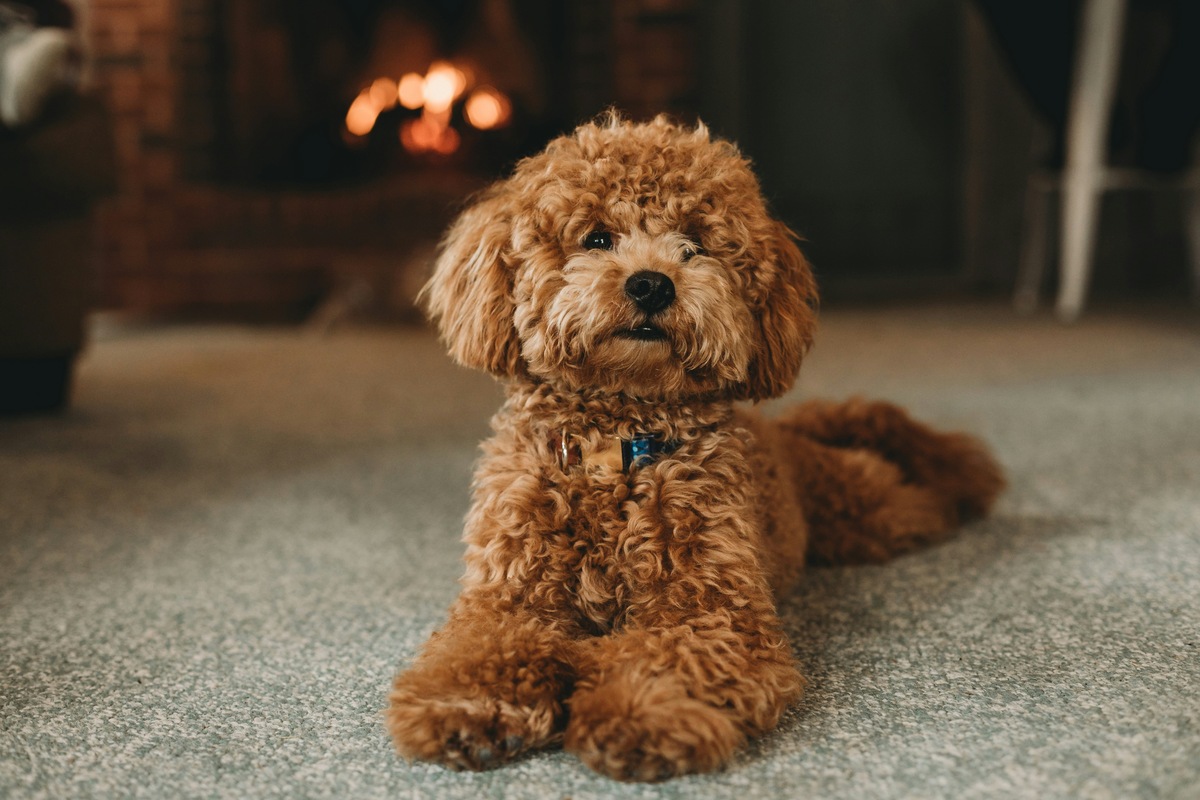
brown poodle puppy on blue carpet - poodle insurance

Extra costs of owning a Poodle

The financial commitment of owning a Poodle goes beyond the cost of buying or adopting your dog.

The amount you spend will depend considerably on whether you own a Toy, Miniature, or Standard Poodle. Larger dogs generally require more food and larger equipment, while grooming is an important recurring expense across all three varieties.

Alongside your Poodle insurance, you should budget for expenses including:

  • Complete, good-quality dog food
  • Routine veterinary check-ups
  • Vaccinations
  • Flea, tick, and worm treatments
  • Neutering, where appropriate
  • Microchipping and keeping registration details updated
  • Professional grooming and clipping
  • Brushes, combs, shampoos, and other coat-care products
  • Dental care
  • Beds, bowls, collars, harnesses, and leads
  • Toys and enrichment
  • Puppy or training classes
  • Dog walking or daycare, where required
  • Boarding kennels or pet sitting
  • Replacement equipment throughout your dog’s life

Grooming is one expense to which prospective Poodle owners should pay particular attention. Their low-shedding coat can be appealing, but it does not mean low maintenance. Regular home grooming and periodic professional clipping are likely to remain ongoing costs throughout your dog’s life.

Routine and preventative expenses should be budgeted for separately from pet insurance for poodles. Muddy Paws’ standard dog insurance is designed to help with eligible unexpected accidents and illnesses, rather than everyday costs such as vaccinations, routine flea and worm treatments, grooming, and general check-ups.

There is also the possibility of unexpected veterinary treatment. Investigating or managing conditions such as Addison’s disease, epilepsy, eye disease, or orthopaedic problems can involve consultations, diagnostic tests, medication, surgery, and specialist treatment. Having suitable insurance in place can help make these eligible unexpected costs easier to manage.


Poodle care
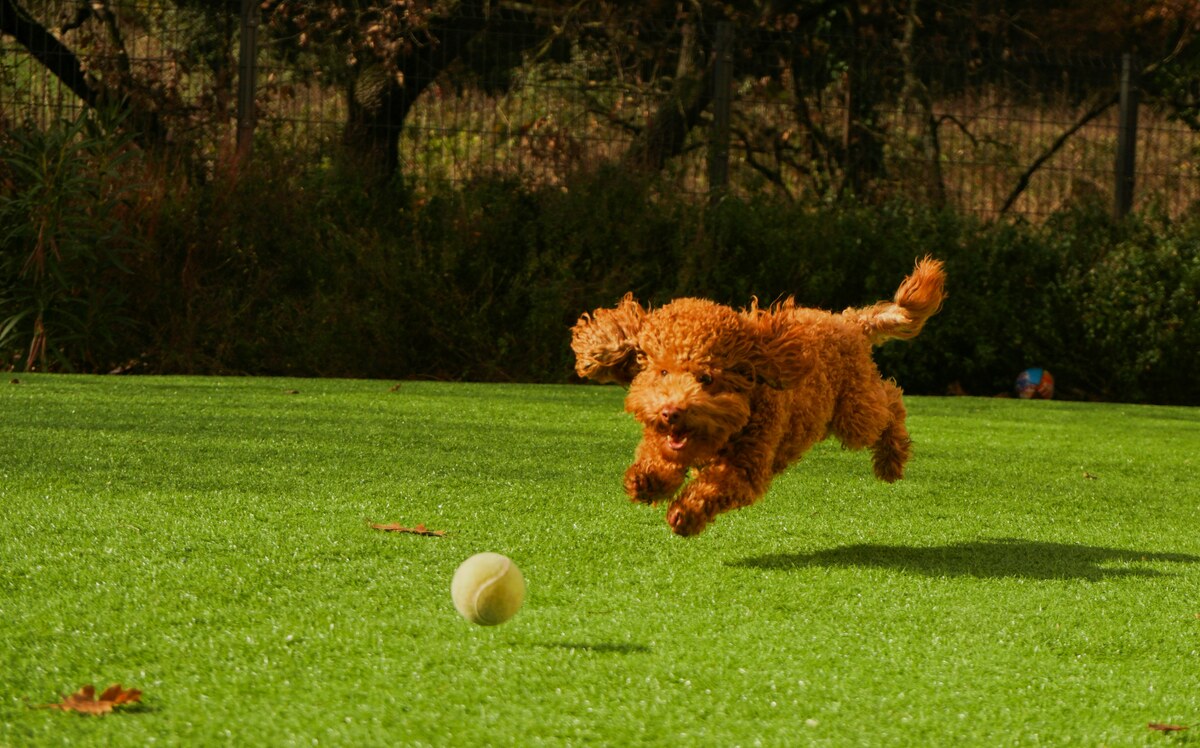
Feed your Poodle a complete, nutritionally-balanced diet suitable for their age, size, health, and activity level.

Portion requirements vary considerably between a Toy Poodle and a Standard Poodle, so use your dog’s individual body condition rather than breed alone to judge whether they are receiving the right amount. Treats used for training should also form part of their overall daily food intake. If you are unsure whether your Poodle is at an appropriate weight, ask your vet or veterinary nurse for advice.

A Poodle’s coat is one of the breed’s most distinctive features, but it also requires considerably more maintenance than the coats of many other dogs. Poodles shed very little, but their continuously growing, curly coat needs regular brushing to prevent tangles and matting. Frequent grooming is recommended, and many owners also use a professional groomer for clipping and shaping throughout the year.

Regular grooming is also a useful opportunity to inspect your dog’s skin, ears, paws, eyes, teeth, and nails. Keeping on top of home brushing can also make professional grooming appointments easier and help prevent severe matting that may require more extensive clipping.

Poodles are active, intelligent dogs and generally need around an hour of exercise each day. Many enjoy walking, running, swimming, retrieving, and other activities that reflect the breed’s working origins.

Physical exercise is only part of the picture. Poodles are highly trainable and can benefit considerably from mental stimulation, including reward-based training, scent games, puzzle toys, retrieval games, and other activities that encourage them to think.

Your dog’s age, size, fitness, and health should determine the intensity of their exercise. Puppies should not be over-exercised while their joints are developing, while older dogs or those with medical conditions may need a gentler routine.

Intelligence is one of the Poodle’s defining characteristics. They generally respond well to reward-based training and can learn new behaviours quickly.

Early socialisation and consistent training can help a Poodle develop into a confident, well-adjusted adult. Mental stimulation is important too, as an intelligent dog without enough to do may find its own, less desirable, forms of entertainment.

Poodles are also typically sociable dogs and can form strong attachments to their families. If you need to leave your dog alone, build this up gradually from puppyhood rather than expecting them to cope with long periods alone immediately.

For more practical help with looking after your dog, visit our pages on pet advice and guides.

brown curly haired dog on green grass field - poodle insurance

Muddy Paws’ insurance offerings for Poodles

When choosing Poodle insurance, look beyond the monthly premium and consider the amount and duration of veterinary fee cover, excesses, exclusions, waiting periods, and additional benefits. For example, we offer dog insurance with both Lifetime and 12-month options.

Depending on the policy selected, current Muddy Paws cover can include:

  • Up to £10,000 in veterinary fee cover per policy year
  • Lifetime cover, with the veterinary fee limit refreshed at renewal for eligible ongoing conditions
  • 12-month cover for eligible illnesses and injuries for a limited treatment period
  • Cover for eligible diagnosis, treatment, surgery, and medication
  • Complementary therapy cover
  • Third-party liability cover
  • Loss, theft, or straying benefits
  • Emergency boarding cover
  • Pet travel cover
  • A dedicated claims service
  • The option for Muddy Paws to pay your vet directly, subject to the claims process

Muddy Paws currently offers different levels of Lifetime cover, including options with veterinary fee limits ranging up to £10,000 per policy year.

Lifetime and 12-month policies work differently. With an eligible Lifetime policy, ongoing conditions can continue to be covered across future policy years where the policy is renewed, with the annual veterinary fee limit reinstated. For 12-month cover, treatment for an individual condition is limited to the applicable treatment period and policy limit.

Pre-existing conditions are excluded, so arranging cover before an illness, injury, or related symptom develops is particularly important. New policies are also subject to waiting periods: Muddy Paws currently excludes illnesses occurring within the first 14 days and injuries occurring within the first five days of policy inception.

Always read the current policy wording, Insurance Product Information Document, limits, exclusions, and excess requirements before purchasing.


Frequently asked questions about Poodles and insurance
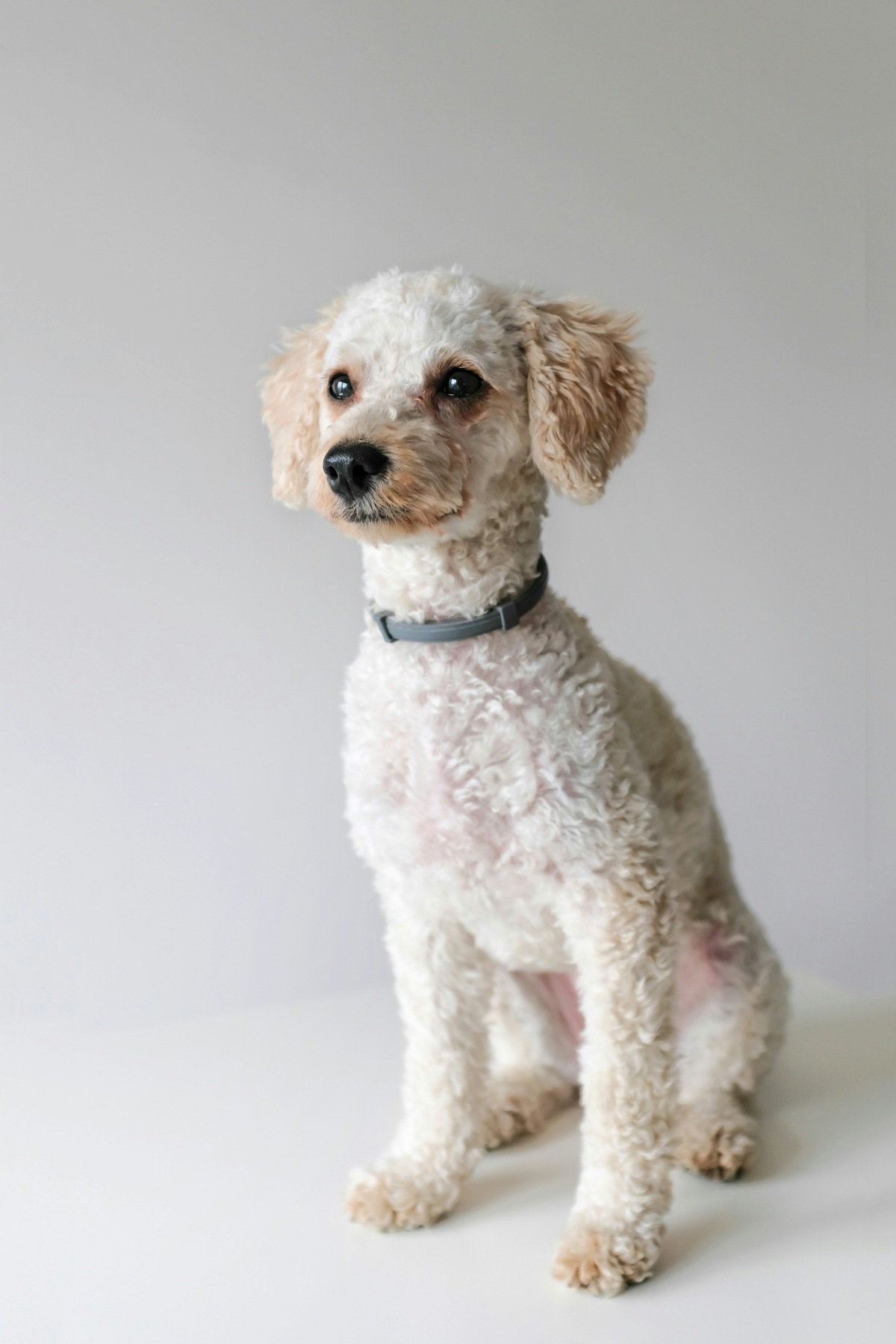
The cost of Poodle insurance will depend on factors including your dog’s age, the type of Poodle you own, where you live, and the level and type of insurance you choose.

A Toy Poodle and a Standard Poodle may not necessarily receive the same premium because insurers consider factors such as breed characteristics and expected veterinary risk alongside individual details.

The most accurate way to find out what your own dog will cost to insure is to request a personalised quote.

Yes. Poodles are recognised in three varieties — Toy, Miniature, and Standard — and owners can seek insurance for each.

The appropriate level of cover will depend on your individual dog rather than their size alone. Health risks can also differ somewhat between the three varieties, so it is worth understanding your dog’s family medical history when choosing cover.

When comparing pet insurance for a Poodle, consider the annual veterinary fee limit, whether eligible long-term conditions can continue to be covered, how and when the veterinary fee limit resets, your policy excess, any percentage contribution required towards claims, waiting periods, pre-existing-condition exclusions, diagnostic and treatment limits, complementary therapy, third-party liability, lost or stolen pet cover, and travel cover, if relevant.

The cheapest policy will not necessarily provide the level or duration of cover you would want if your Poodle develops an expensive or ongoing condition.

It’s worth considering cover as soon after bringing your puppy home as possible, and once they meet the insurer’s eligibility requirements. Taking out cover before symptoms or health problems develop reduces the likelihood of a future condition being excluded as pre-existing.

We currently offer puppy insurance designed to cover eligible accidents, short-term and long-term illnesses, and ongoing care depending on the policy selected. Remember that waiting periods apply when a new policy begins.

An eligible case of Addison’s disease that begins after your Muddy Paws policy starts may be covered, provided it satisfies the terms of the policy and is not pre-existing or otherwise excluded.

Because Addison’s disease can require ongoing medication and monitoring, owners may want to consider whether Lifetime cover better suits their preferences than time-limited insurance. Always check your policy documents for the exact cover applying to your dog.

An eligible case of hip dysplasia that develops after the policy starts may fall within veterinary fee cover, subject to the policy terms, limits, excesses, waiting periods, and exclusions.

A condition that existed or showed relevant signs before insurance began would not be covered by Muddy Paws as a new condition.

Hip screening is currently among the recommended health tests for Poodles, so puppy buyers should also ask breeders about parental health testing.

Eligible eye illnesses and injuries that develop after insurance starts may be covered according to your chosen policy’s terms.

Poodles can be affected by several eye conditions, including progressive retinal atrophy, cataracts, dry eye, and eyelid abnormalities.

Pre-existing eye conditions and symptoms would not be covered by Muddy Paws.

You can apply for insurance, but Muddy Paws does not cover pre-existing conditions.

A pre-existing condition can include an illness, injury, or symptom that existed before the policy began, even if a formal diagnosis was made later. Your Poodle may still be able to receive cover for other eligible new conditions, subject to the policy terms and underwriting.

Lifetime insurance is well worth considering if you want eligible ongoing or recurring conditions to remain covered beyond a single policy year.

With Muddy Paws Lifetime cover, the veterinary fee limit becomes available again at renewal and eligible ongoing conditions can continue to be claimed for, provided the policy is renewed without a break and remains subject to its terms and limits.

This differs from 12-month cover, where an individual condition is only covered for the applicable limited treatment period.

Poodles generally need around an hour of exercise per day and often enjoy running, swimming, and retrieving.

This should be adapted to your individual dog’s age, fitness, size, and medical needs.

Poodles can have higher grooming costs than many short-coated breeds because their curly coat requires frequent maintenance and regular clipping.

Other expenses include food, preventative veterinary care, dental care, training, equipment, daycare or boarding where needed, and insurance. Size also matters: a Standard Poodle will generally consume more food and require larger equipment than a Toy Poodle, while professional grooming remains an important recurring expense across all three varieties.

Poodles are very low-shedding dogs, but this does not mean their coat is maintenance-free. Loose hairs can become caught within the curls, contributing to matting unless the coat is brushed and groomed regularly.

It is also worth remembering that no dog can be guaranteed not to trigger allergies, as people can react to allergens found in saliva and skin as well as shed hair.

Planning separately for predictable and unexpected costs can make ownership easier to budget for.

Regular brushing at home can help keep the coat in good condition between professional grooming appointments. Maintaining a healthy weight, providing appropriate exercise, caring for your dog’s teeth, and keeping up with routine preventative veterinary care can also support their overall health.

You can then budget separately for pet insurance, which is designed to help with eligible unexpected illnesses and injuries rather than routine everyday care.

Whether Poodle insurance is right for you will depend on your budget and how comfortable you would be paying an unexpected veterinary bill yourself. Poodles can develop conditions that require diagnostic investigations, surgery, medication, or long-term management. Insurance can help reduce the financial impact of eligible veterinary treatment if something goes wrong.

When choosing a policy, consider not only what you pay each month, but also the veterinary fee limit, duration of cover, excess, exclusions, and how recurring conditions are handled. Muddy Paws offers both Lifetime and 12-month dog insurance, allowing owners to select a level of protection that better suits their circumstances and budget.

white toy poodle staring off into the distance against a white background - poodle insurance

See What Our Customers Say

See what other pet insurance customers rated us.