Shih Tzu Insurance: Breed Information and Advice

Table of Contents

Small, affectionate, and full of character, Shih Tzus have been bred as companion dogs for centuries. Their long coats, expressive eyes, and friendly nature make them popular family pets, and they tend to be happiest when they can spend plenty of time with their owners.

Despite their small size, there are some important health considerations prospective owners should be aware of. Shih Tzus are a brachycephalic, or flat-faced, breed, which can make them susceptible to breathing difficulties. Eye problems, dental crowding, spinal conditions, and kidney problems are also recognised in the breed.

Suitable Shih Tzu insurance can help towards eligible veterinary costs if your dog becomes unexpectedly ill or injured. Taking out cover while your dog is young and healthy may also reduce the chance of a future health problem being excluded as a pre-existing condition.


Shih Tzu facts

Shih Tzus were developed primarily as companion dogs and are known for their affectionate, people-focused personalities. Although they are small enough to adapt well to flats and smaller homes, they still need regular exercise, play, social interaction, and mental stimulation.

The Royal Kennel Club classifies the Shih Tzu within the Utility group and lists daily grooming, up to an hour of exercise per day, and a lifespan of more than 10 years among the breed’s characteristics.

Quick Shih Tzus facts

  • Temperament: Affectionate, outgoing, playful, and people-focused
  • Breed group: Utility
  • Size: Small
  • Average height: Around 27cm
  • Average weight: Approximately 4.5–7.5kg
  • Lifespan: Typically over 10 years
  • Coat: Long, dense, and double-coated
  • Grooming: Daily for longer coats, with many owners choosing regular professional clipping
  • Exercise: Up to around one hour per day
  • Home suitability: Can adapt well to flats and smaller homes
  • Origins: Associated with China and Tibetan ancestry
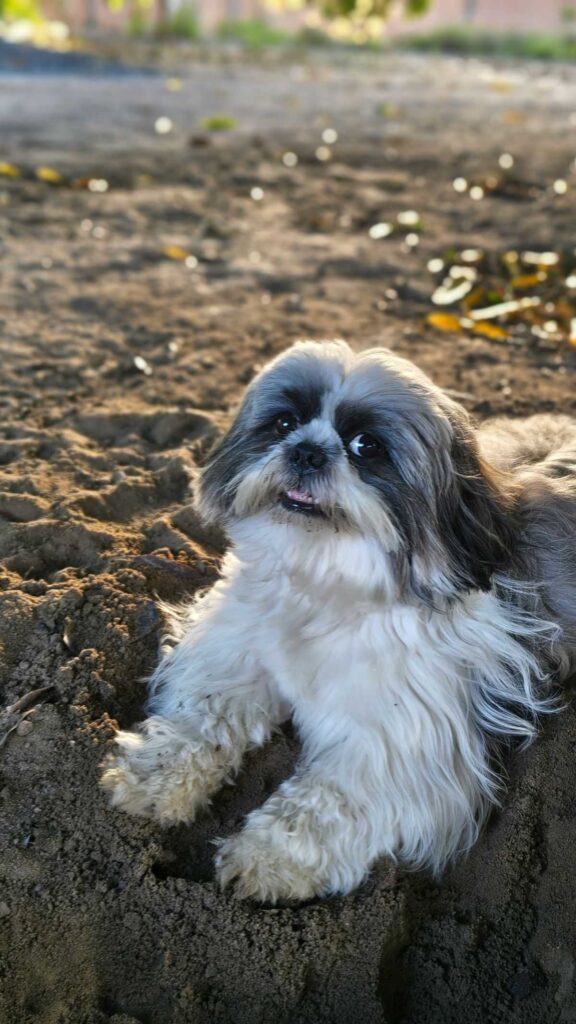
a fluffy shih tzu dog lies on the sandy ground - shih tzu dog insurance

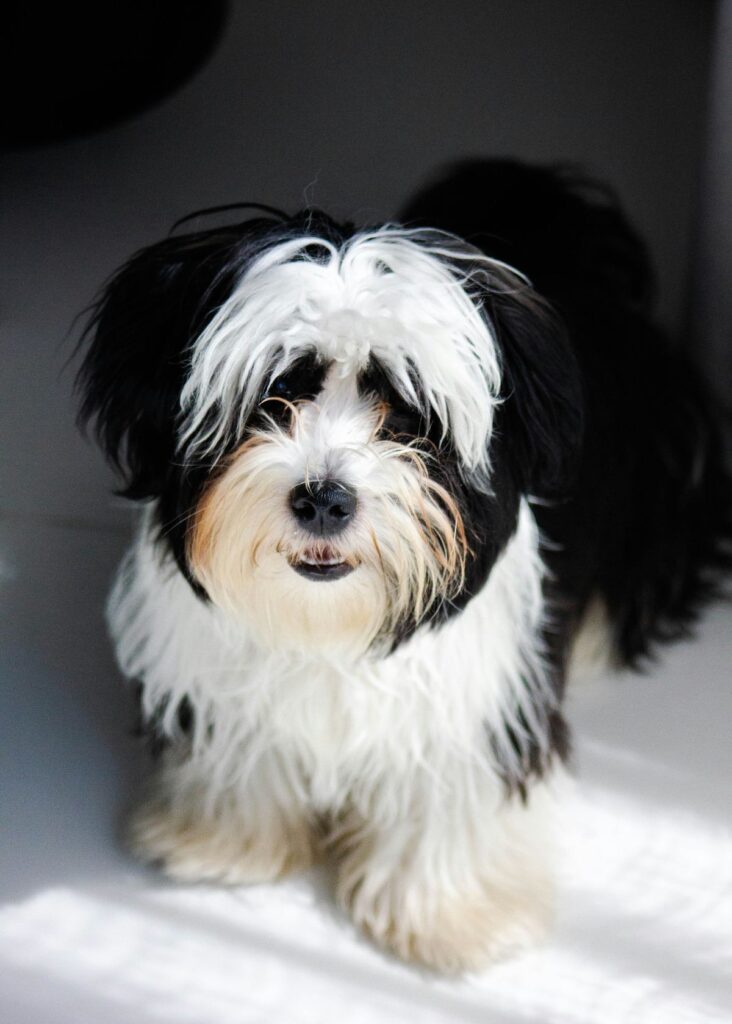
a fluffy black and white shih tzu dog sits looking forward - shih tzu pet insurance

Why choose Muddy Paws insurance for your Shih Tzu?


Common health conditions in Shih Tzus

Not every Shih Tzu will develop the conditions below, and many live long and healthy lives. However, understanding some of the problems associated with the breed can help owners spot potential symptoms earlier and make more informed decisions about veterinary care and insurance.
Shih Tzus are brachycephalic dogs, meaning they have a relatively short skull and muzzle. In some dogs, this anatomy can restrict the airway and cause brachycephalic obstructive airway syndrome, or BOAS.

Signs can include noisy breathing, snoring, snorting, excessive panting, reduced exercise tolerance, and difficulty coping in hot weather. Shih Tzus are among the breeds affected by BOAS, so snuffling and snoring should not automatically be dismissed as normal.

The Royal Kennel Club introduced BOAS respiratory-function grading as a recognised health test for the Shih Tzu in August 2026, underlining the importance of breathing health within the breed.

Depending on severity, affected dogs may require weight management, lifestyle changes, veterinary monitoring, or surgery.

Shih Tzus have relatively large, prominent eyes, which can leave them more vulnerable to injury and disease.

Conditions associated with the breed include dry eye, cataracts, progressive retinal atrophy, and retinal detachment. Flat-faced dogs can also have relatively shallow eye sockets, increasing the risk of trauma, corneal ulcers, and painful drying of the eye.

Redness, cloudiness, excessive tears, discharge, squinting, or rubbing at the eye should be investigated promptly. Eye conditions can worsen quickly, so make sure you have any suspected eye problem checked by a vet rather than waiting for it to improve on its own.

Shih Tzus have relatively short jaws, but they still need to accommodate a normal number of adult teeth. This can lead to overcrowding, displaced teeth, and an increased risk of dental and gum problems.

Rostral bite problems and dental crowding are among the health concerns in Shih Tzus, as well as overcrowded teeth being a potential issue for brachycephalic dogs.

Regular tooth brushing, veterinary dental checks, and seeking advice when you notice bad breath, difficulty eating, inflamed gums, or loose teeth can help identify problems earlier.

Intervertebral disc disease, or IVDD, affects the discs that cushion the bones of the spine. Depending on the location and severity of the problem, affected dogs can experience back pain, weakness, difficulty walking, or more serious neurological symptoms.

Any sudden difficulty walking, unexplained pain, or weakness should receive prompt veterinary attention.

Gastric dilatation-volvulus, commonly known as bloat or GDV, occurs when the stomach fills and can twist on itself. This is a life-threatening emergency requiring immediate veterinary treatment. It is particularly associated with larger, deep-chested dogs, which makes it more relevant to Standard Poodles than their smaller relatives.

Signs can include a swollen abdomen, repeated unsuccessful attempts to vomit, restlessness, excessive drooling, and sudden distress. If you suspect that your dog is suffering from GDV, seek emergency veterinary assistance immediately.

Cushing’s disease, or hyperadrenocorticism, occurs when a dog’s body produces excessive amounts of cortisol. Symptoms can include increased thirst and urination, increased appetite, panting, changes to the coat and skin, a pot-bellied appearance, and muscle weakness.

Affected dogs may require ongoing medication and monitoring, making the duration of veterinary fee cover worth considering when comparing insurance policies.

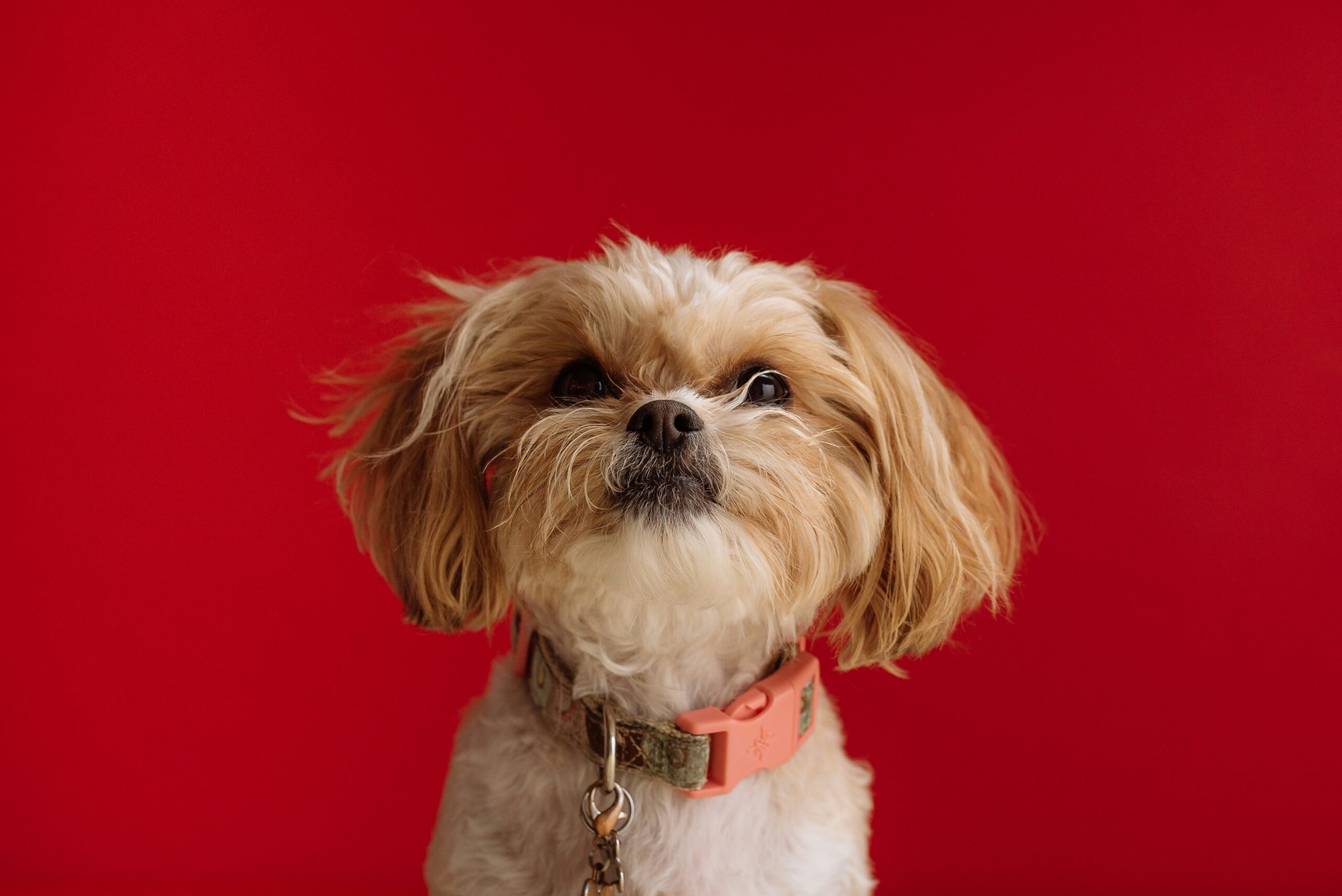
white and brown shih tzu - insurance

Extra costs of owning a Shih Tzu

The cost of owning a Shih Tzu goes beyond the initial purchase or adoption fee. Although they are a small breed, regular grooming, routine healthcare, and day-to-day essentials can all add up over time.

Alongside your Shih Tzu insurance, you should budget for costs such as:

  • Complete, good-quality dog food
  • Routine veterinary check-ups
  • Annual vaccinations
  • Flea, tick, and worm treatments
  • Dental care and tooth-cleaning products
  • Professional grooming and coat maintenance
  • Brushes, combs, shampoos, and other grooming supplies
  • Beds, bowls, collars, harnesses, and leads
  • Toys and enrichment
  • Puppy or training classes
  • Dog walking or daycare, where required
  • Boarding kennels or pet sitting
  • Replacement equipment throughout your dog’s life

Grooming is one cost that can be particularly important for Shih Tzu owners. Dogs kept in a long coat generally need frequent brushing, while those in a shorter pet clip may still require regular professional grooming throughout the year.

Owners should also budget separately for routine and preventative healthcare, as pet insurance is generally designed to help with eligible unexpected illness or injury rather than costs such as vaccinations, flea and worm treatments, grooming, or routine check-ups.

There is also the possibility of unexpected veterinary treatment. Shih Tzus can be prone to health problems affecting their breathing, eyes, teeth, spine, and kidneys, and some conditions may require diagnostic tests, medication, surgery, specialist treatment, or ongoing care.

Having suitable pet insurance for a Shih Tzu can help make eligible unexpected veterinary costs easier to manage, while your regular household budget covers predictable day-to-day expenses.


Shih Tzu care

Feed your Shih Tzu a complete, balanced diet appropriate for their age, weight, activity levels, and health. Keeping them at a healthy weight is particularly important because carrying excess body fat can make breathing more difficult in flat-faced dogs and place additional strain on their joints and spine.

Measure meals rather than estimating portions, account for treats within their daily intake, and ask your vet or veterinary nurse for advice if you are unsure whether your Shih Tzu is at a healthy weight.

A Shih Tzu’s coat requires significant maintenance. Dogs kept in a long coat generally need daily brushing to prevent knots and tangles., which is why many pet owners instead choose a shorter clip. This, however, usually requires regular visits to a professional groomer. It’s common that clipped coats need professional grooming approximately every six to eight weeks.

Pay particular attention to the fur around the eyes, nose, and mouth. Food and moisture can collect around the face and contribute to irritation, while discharge around the eyes may stain the coat or indicate an underlying problem. Regular grooming also gives you a chance to check your dog’s skin, ears, eyes, paws, teeth, and nails for anything unusual.

Shih Tzus may be small companion dogs, but they still need regular exercise and opportunities to play. Around an hour of exercise per day is recommended for a healthy adult, although this should be adapted to your individual dog’s fitness, age, and breathing ability.

Several shorter walks can suit the breed well. Puzzle toys, scent games, reward-based training, and interactive play can provide additional mental stimulation without relying entirely on strenuous physical activity.

Because Shih Tzus have relatively short muzzles, some can struggle to cool themselves efficiently. Avoid strenuous activity during hot weather, choose cooler times of day for walks, provide fresh water and shade, and stop exercising if your dog appears to be struggling to breathe.

Shih Tzus were bred for companionship and tend to enjoy close to their owner as much as possible. Positive, reward-based training from puppyhood can also help establish good habits, while early socialisation can help your dog become comfortable with different people, animals, environments, and everyday experiences.

Their people-focused nature also means some Shih Tzus may dislike being left alone for extended periods. Build alone-time training gradually rather than suddenly expecting a puppy to cope with long absences. For more practical help with looking after your dog, visit our pages on pet advice and guides.

white and brown long coated shih tzu - dog insurance

Muddy Paws’ insurance offerings for Shih Tzus

When comparing Shih Tzu pet insurance, price is only one consideration. The amount of veterinary fee cover, duration of cover, excess, exclusions, waiting periods, and additional benefits can all affect how useful a policy is when your dog actually needs treatment.

Muddy Paws offers dog insurance with Lifetime and 12 Month options.

  • Veterinary fee cover up to £10,000, depending on the chosen policy
  • Lifetime cover, where the annual veterinary fee limit can reset at renewal and eligible ongoing conditions can continue to receive cover
  • 12 Month cover, which provides eligible treatment for an individual condition for a limited treatment period
  • Cover for eligible diagnostics, treatment, surgery, and medication
  • Third-party liability cover for dogs
  • Loss, theft, or straying benefits
  • Emergency boarding cover
  • Pet travel cover
  • The option for Muddy Paws to pay your vet directly, subject to the claims process

Our higher Lifetime tiers offer veterinary fee limits of up to £10,000, while Lifetime veterinary fee allowances reset at renewal. Third-party liability, loss or theft, and emergency boarding are included across the listed dog-policy options.

Lifetime cover can be especially worth considering where an eligible condition requires treatment in more than one policy year. Long-term eligible conditions can continue to be covered under its Lifetime policies where the policy is renewed without a break.

Pre-existing conditions are not covered. New policies are also subject to waiting periods: illnesses occurring within the first 14 days and injuries arising from accidents within the first five days are excluded. Always read the current policy wording and Insurance Product Information Document before buying cover so that you understand the applicable exclusions, excesses, limits, and conditions.


Frequently asked questions about Shih Tzus and insurance
The cost of Shih Tzu insurance will depend on several factors, including your dog’s age, where you live, the type and amount of cover selected, and the insurer’s assessment of risk. Breed can also influence premiums because certain health conditions occur more frequently in some dogs than others.

Therefore, there is no single price that applies to every Shih Tzu. The simplest way to find out what we cover would cost for your dog is to request a personalised online quote.

When comparing Shih Tzu dog insurance, consider the annual veterinary fee limit, whether eligible ongoing conditions can remain covered, excesses, waiting periods, pre-existing-condition exclusions, and any additional benefits.

It is particularly useful to understand how a policy would respond if your dog developed a condition requiring repeated appointments or long-term medication.

The cheapest policy may not necessarily provide the level or duration of cover you would want when making a significant claim.

Lifetime cover may be worth considering if you want eligible ongoing or recurring conditions to remain covered across multiple policy years.

With Muddy Paws’ Lifetime insurance, the annual veterinary fee allowance resets when the policy renews, and eligible long-term conditions can continue to receive cover provided the policy remains in force and its terms are met.

This differs from 12 Month cover, where treatment for an individual condition is limited to the relevant treatment period.

Yes, subject to the insurer’s eligibility requirements. We currently allows policies to begin from five weeks of age.

Considering insurance while your puppy is young and healthy can be useful because medical problems that begin before cover starts may subsequently be excluded as pre-existing. Waiting periods still apply when a new policy begins.

An eligible case of BOAS that develops after your insurance starts may be covered, subject to the policy’s terms, exclusions, waiting periods, and veterinary fee limit.

However, if breathing difficulties or other relevant clinical signs were present before the policy began, the condition may be regarded as pre-existing and would not be covered. This makes it important not to dismiss snoring, snorting, or noisy breathing as simply normal for the breed.

Eligible new eye illnesses or injuries may be covered subject to your chosen policy’s terms. Shih Tzus can be susceptible to problems including dry eye, cataracts, progressive retinal atrophy, retinal detachment, ulcers, and eye trauma.

An eye condition or related clinical sign that existed before cover started would not be covered as a new condition.

The answer depends on the cause of the dental problem and the policy selected.

Muddy Paws distinguishes dental cover by policy type, so owners should check their chosen policy wording carefully to understand what treatment is eligible and what conditions apply. Routine dental care should be budgeted for separately.

Because Shih Tzus can have crowded teeth, regular preventative dental care is particularly important.

You can apply for insurance, but Muddy Paws does not cover conditions that began before the policy was taken out.

You must tell Muddy Paws about current conditions and previous illnesses when applying. Your dog may still be able to receive cover for other eligible new illnesses and injuries, subject to the policy terms.

A healthy adult Shih Tzu generally needs up to or around one hour of exercise per day, although this can be divided into shorter walks and play sessions.

The appropriate amount depends on your dog’s age, fitness, weight, health, and breathing ability. Avoid strenuous exercise in hot weather because flat-faced dogs can have greater difficulty breathing and regulating their body temperature.

Their small size means food costs can be lower than those of a large breed, but Shih Tzus have some recurring expenses that prospective owners need to consider.

Professional grooming can be a significant ongoing cost, and owners should also budget for food, preventative veterinary care, dental care, training, equipment, boarding or pet sitting, and insurance.

Minimum ongoing ownership costs will be around £50 per month, excluding unexpected veterinary treatment.

Planning separately for routine and unexpected expenses can make costs easier to manage. Regular brushing at home may also help keep the coat manageable between professional grooming appointments. Maintaining a healthy weight, cleaning around the face and eyes, caring for your dog’s teeth, and attending routine veterinary checks can also support their health.

Set aside a regular budget for predictable expenses such as food, grooming, vaccinations, and parasite treatments, while insurance can provide protection against eligible unexpected veterinary costs.

Shih Tzus were bred to be companion dogs and are generally affectionate, sociable, and keen to be involved with their owners. They are loyal and loving companions that can make good family pets in the right household.

As with any dog, individual temperament varies. Early socialisation, reward-based training, suitable supervision around children, and ensuring everyone understands how to interact appropriately with a small dog are important.

Whether Shih Tzu insurance is right for you depends on your financial circumstances and how comfortable you would be meeting an unexpected veterinary bill yourself.

The breed is associated with health problems involving breathing, eyes, teeth, kidneys, and the spine, some of which may require specialist investigations, surgery, medication, or ongoing veterinary treatment.

Insurance can help reduce the financial impact of eligible unexpected treatment. When comparing policies, consider the veterinary fee limit, length of cover, excess, exclusions, and treatment of recurring conditions rather than looking at the monthly premium alone.

Muddy Paws offers both Lifetime and 12 Month dog insurance, allowing owners to choose a level of cover that suits their requirements and budget.

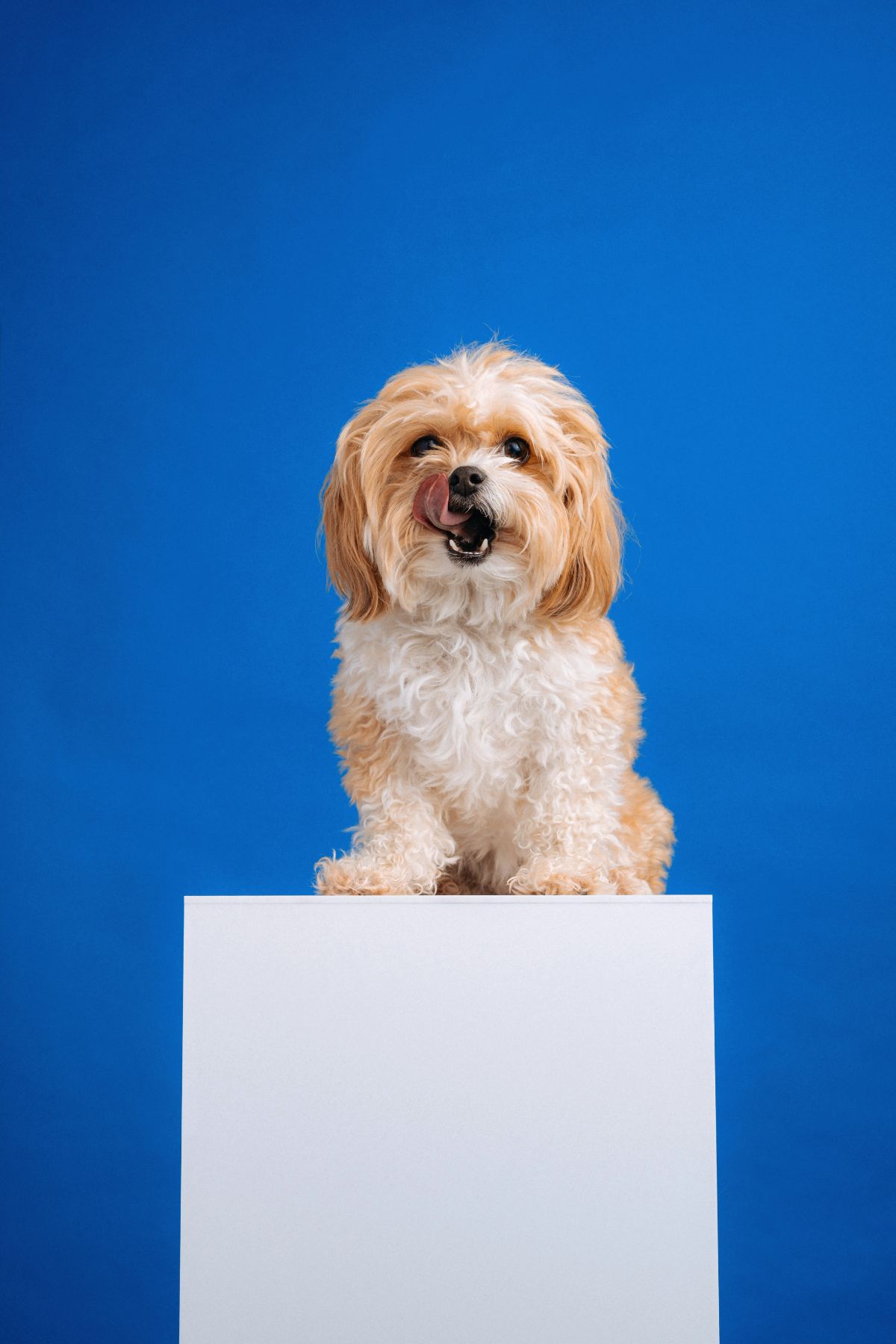
a white and brown shih tzu sat on a white box - shih tzu insurance

  • Gold star service

    I received gold star service when my dog Riley needed surgery Last year. Very friendly no hassle service. Took the worry out of a. Stressful time. Thank you
    Michael
    March 2026
  • Easy and fast

    Easy to apply on line, fast and covers all the things you’ll need to protect you’re best friend.
    David
    February 2026
  • Super helpful

    I had unknowingly made an error online and couldn’t complete policy. A lovely lady called me after I emailed and sorted everything out.
    Deb
    December 2025