
Bengal Cat Breed Information and Advice
Table of Contents
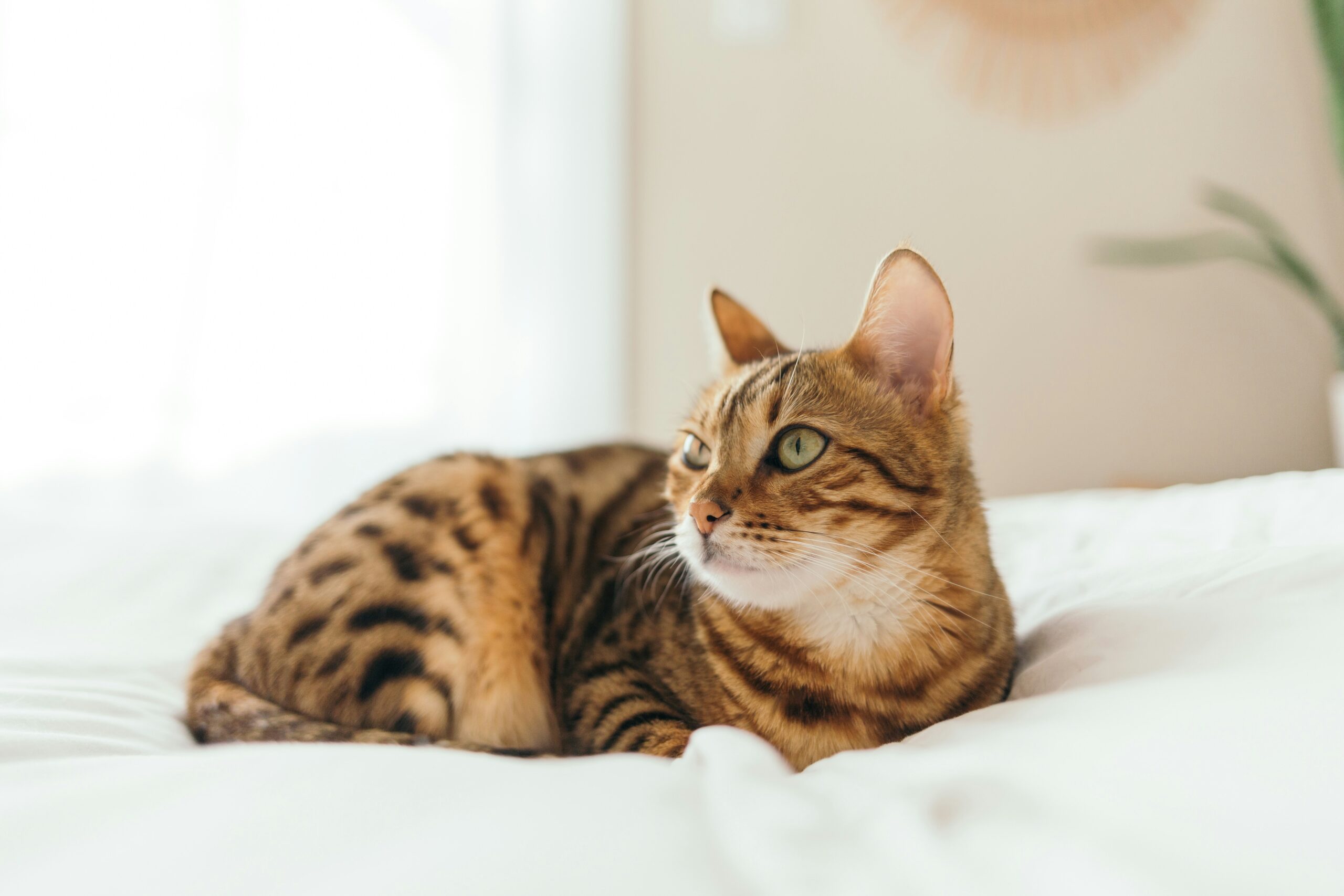
The Bengal cat is a striking, athletic pedigree breed, known for its leopard-like coat, bold rosettes and muscular build. Despite their wild appearance, Bengals are well-balanced domestic cats with agile movement and a friendly, expressive personality. Their short, dense coat is low maintenance, usually requiring just weekly grooming, and many Bengals adapt well to indoor life when given enough stimulation and companionship.
Bengal cats are intelligent, energetic and highly people-focused. Their love of climbing, play and interaction makes them rewarding pets, but their active lifestyle can increase the risk of injury or illness. For this reason, Bengal cat insurance is an important consideration for owners.
Bengal cat facts
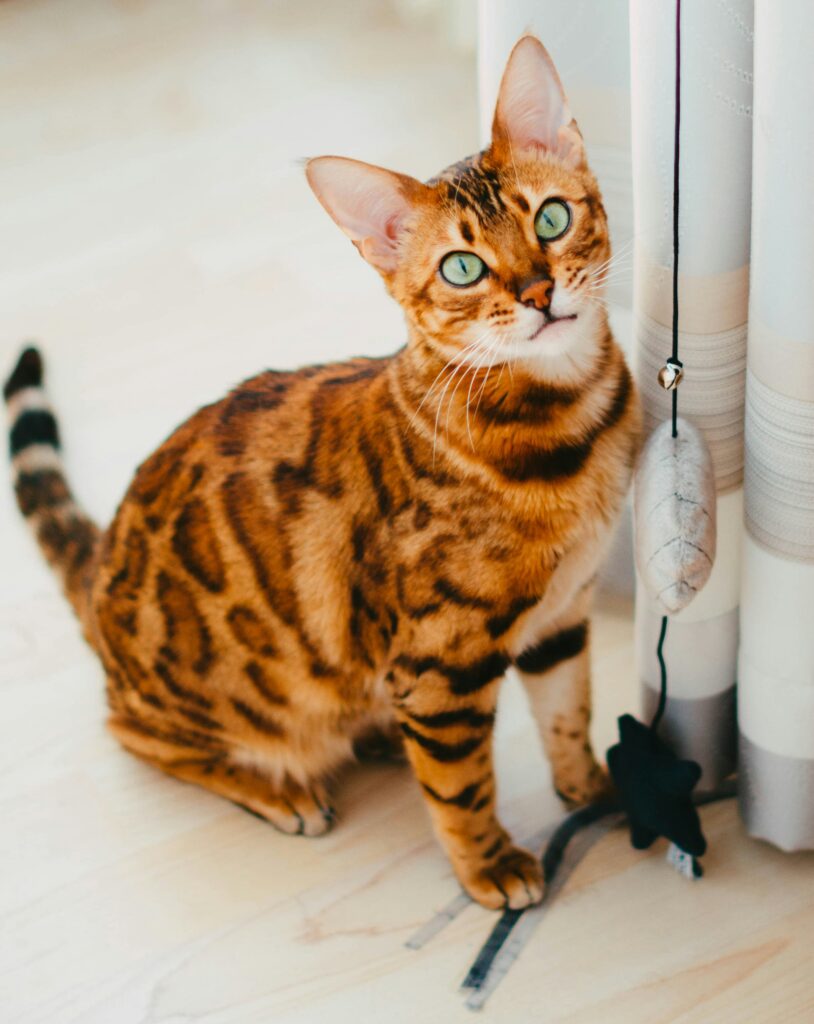
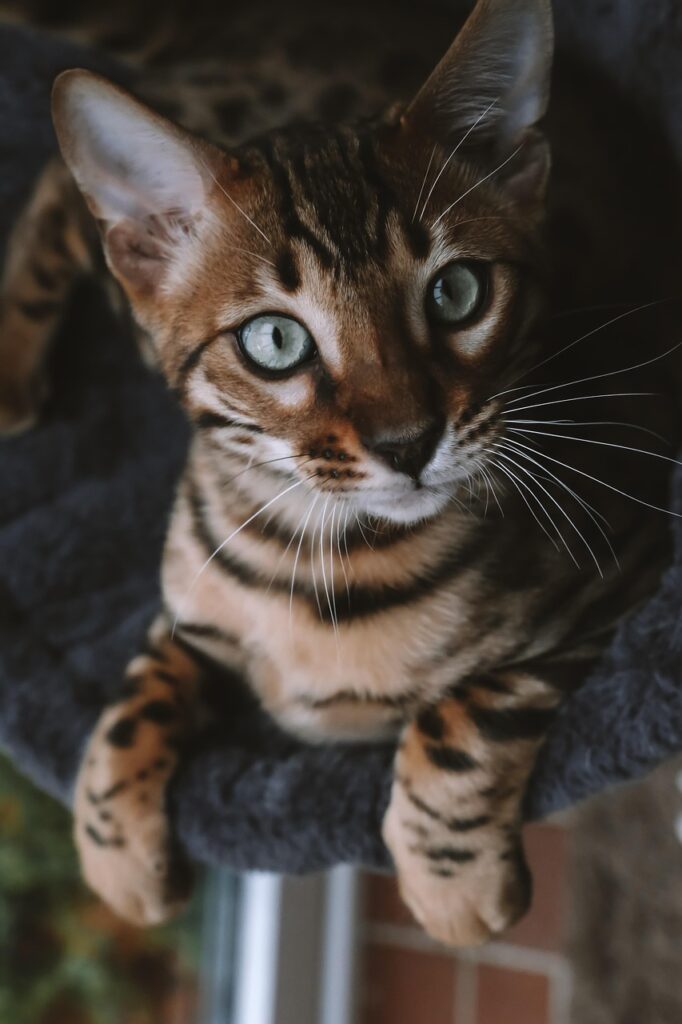
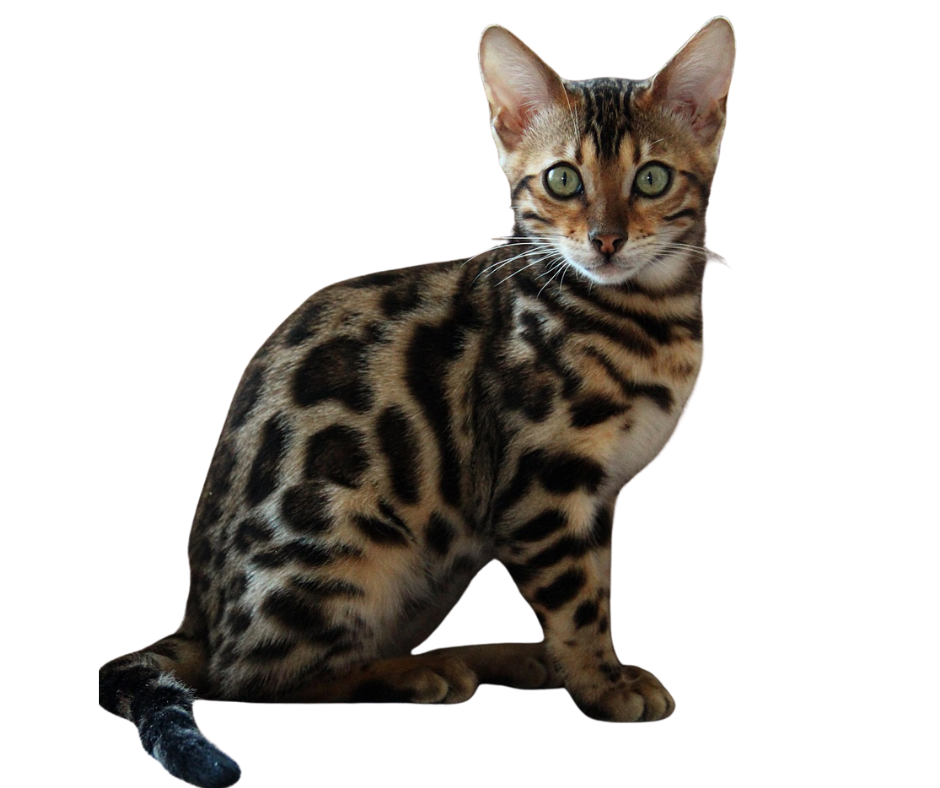
Bengals are an active, sociable and intelligent breed, originally developed in the United States. Known for their distinctive markings and short, dense fur, Bengals stand out for their unique appearance and soft, shimmering coats.
Bengals are generally good with dogs and can adapt well to multi-pet households. They often love water and may enjoy playing in baths or showers.
Quick Bengal facts
- Temperament: Active, sociable and intelligent; require plenty of attention and engagement to stay happy
- Lifespan: 12–16 years
- Price: £300–£5,000 depending on pedigree and sub-breed
- Size: 36–46cm
- Weight: 3.6–7.7kg
- Coat pattern: Spotted or marbled
- Grooming: Weekly brushing
- Exercise needs: High; require plenty of daily exercise, mental stimulation, and room to run
Why choose Muddy Paws for Bengal cat insurance?
With Muddy Paws Bengal cat insurance, you can protect your Bengal all the way through from 5 weeks old up until their 11th birthday, with cover available as soon as your Bengal kitten is old enough to help manage unexpected vet bills early on.
Muddy Paws cat insurance is designed to support active breeds, offering financial protection and peace of mind. Cover includes vet fees for illness and ongoing conditions, although pre-existing conditions are not covered, so it is important to check policy exclusions.
Common health conditions in Bengal cats
Bengal cats are generally healthy, but as a pedigree breed they can be prone to certain inherited and lifestyle-related health conditions. These include joint issues, blood disorders and heart disease. Regular vet check-ups help with early detection, and Bengal cat insurance is often recommended to support treatment and long-term care.
Extra cost of Bengal cat ownership
Owning a Bengal cat can be very rewarding, but it does come with additional costs. Pet insurance is often one of the main ongoing expenses, as Bengals can be more prone to certain health conditions that may lead to higher vet bills or specialist treatment.
Choosing Muddy Paws pet insurance can give you financial protection and peace of mind. Alongside insurance, owners should also budget for high-quality food, regular vet checks and enrichment items to meet a Bengal’s high energy needs.
Planning ahead and selecting the right Bengal cat insurance with Muddy Paws helps manage these costs and ensures your Bengal receives the care it needs throughout its life.
Bengal cat care
Muddy Paws Bengal Cat Insurance
Muddy Paws offers cat insurance designed specifically to provide cover for breeds such as the Bengal cat.
- Comprehensive cover for peace of mind
- Flexible plans tailored to your Bengal’s age, lifestyle and energy levels
- Fast, simple claims when you need support most
- Nationwide vet access, wherever you are in the country
- Insure more than one pet and you may be eligible for a multi-pet discount
- Pay your premiums monthly to help manage costs
Frequently asked questions about Bengal cats and insurance
See What Our Customers Say
See what other pet insurance customers rated us.