
Birman Cat Insurance: Breed Information and Advice
Table of Contents
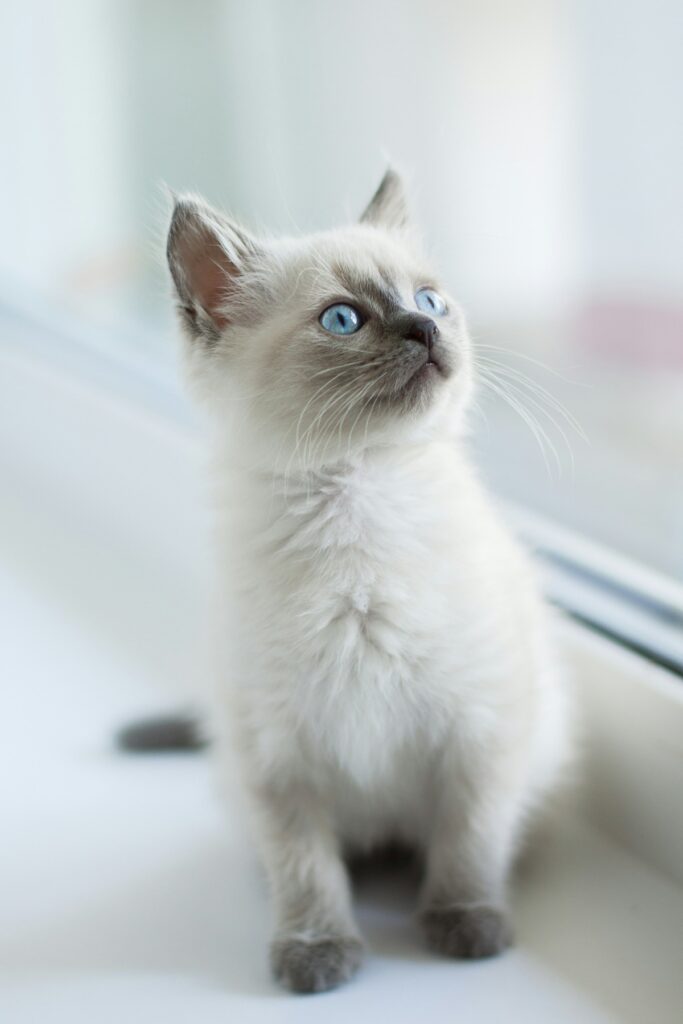
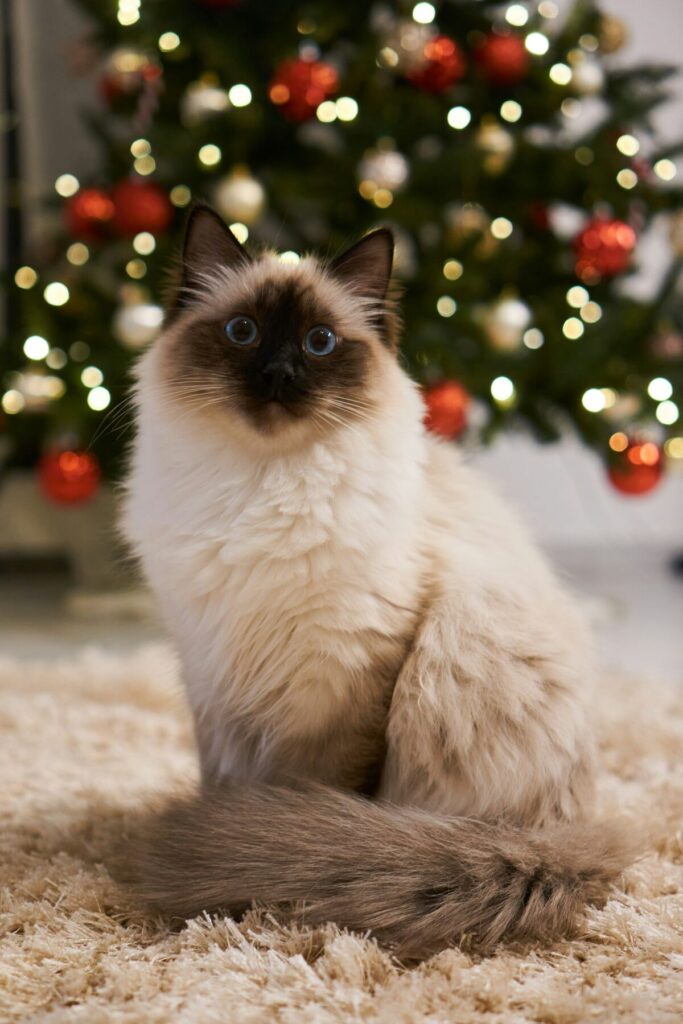
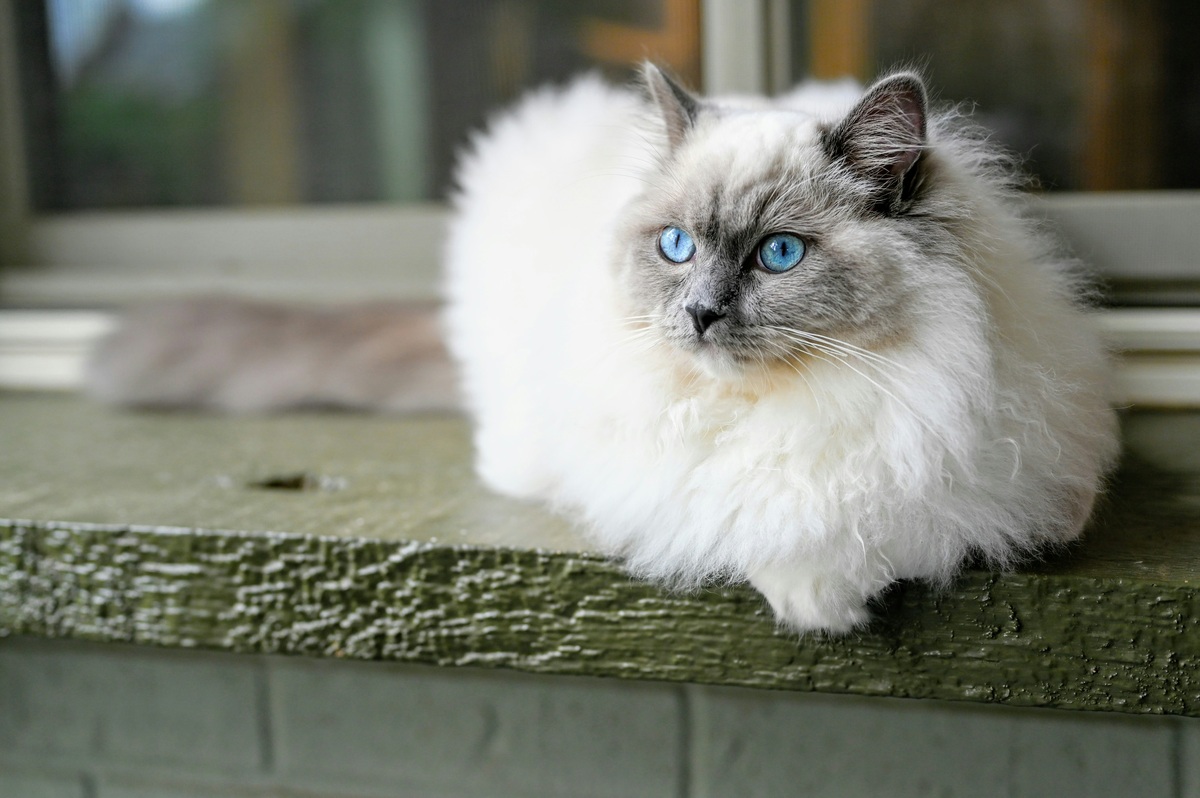
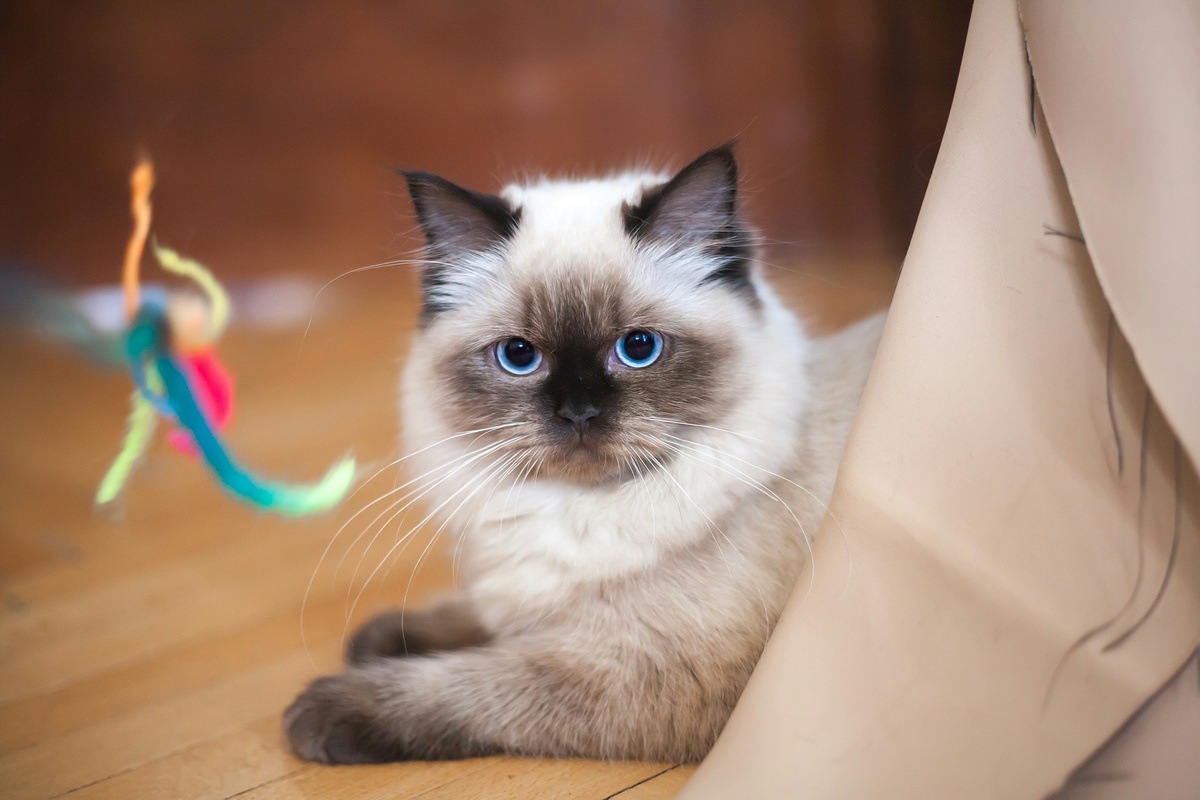
With their bright blue eyes, silky coat, distinctive white paws, and affectionate nature, Birman cats are easy to fall in love with. Sometimes known as the Sacred Cat of Burma, the Birman is a medium-to-large, semi-longhaired breed known for being gentle, playful, and particularly fond of human company.
Birmans can make wonderful companions, but, like any pedigree cat, there are health considerations owners should be aware of. Kidney problems and hypertrophic cardiomyopathy (HCM) are among the conditions associated with the breed, while unexpected accidents and illnesses can, naturally, affect any cat.
Taking out suitable Birman cat insurance can help towards eligible veterinary costs if your cat becomes ill or injured, giving you one less thing to worry about when they need treatment.
Birman cat facts
Birmans are affectionate, sociable cats that love being at the centre of family life. They are playful without generally being as demanding or energetic as some other pedigree breeds, and many enjoy following their owners around the home, sitting nearby, and communicating with a soft, chirping voice.
Their distinctive appearance comes from their colourpoint coat, deep blue eyes, and white feet. The breed was recognised in France in 1925 and by the Governing Council of the Cat Fancy (GCCF) in the UK in 1966.
Quick Birman facts
- Temperament: Gentle, affectionate, playful, and people-focused
- Size: Medium to large
- Weight: Typically around 2.7–6.8kg, although males are generally larger
- Lifespan: Around 12–16 years
- Coat: Silky, semi-longhaired, colourpoint coat
- Eyes: Blue
- Distinctive feature: Pure white feet, known as gloves and gauntlets
- Grooming: Regular brushing, with additional attention during seasonal shedding
- Exercise needs: Moderate, with regular play and enrichment
- Personality: Sociable and often happiest with plenty of human interaction
The GCCF describes the Birman as playful and affectionate, with a typical lifespan of 12–16 years. Despite their longer coat, the silky texture means it is generally less prone to matting than some other longhaired breeds.
Why choose Muddy Paws insurance for your Birman?
Even a healthy Birman can need veterinary treatment unexpectedly. Illnesses, injuries, diagnostic investigations, medication, and surgery can all result in unplanned costs, which is where Birman cat insurance can help.
Muddy Paws offers both Lifetime and 12 Month cat insurance, with up to £10,000 of cover per policy year, depending on the policy selected. Eligible policies can also include benefits such as overseas travel cover, lost or stolen pet cover, and cover for certain hereditary and congenital conditions where symptoms develop after the policy begins.
Taking out insurance while your Birman is young and healthy can be worth considering because pre-existing conditions are not covered by Muddy Paws. A condition that existed, was diagnosed, or showed signs before your insurance began may therefore be excluded from future claims.
For conditions requiring longer-term treatment, Lifetime cover may be particularly useful to consider. Muddy Paws Lifetime policies are annual policies, and the veterinary fee limit becomes available again when the policy is renewed, subject to renewal being offered and accepted and the applicable terms, limits, excesses, and exclusions.
Common health conditions in Birman cats
Birmans are generally considered a healthy breed, and having a Birman does not mean your cat will develop any of the conditions below. However, understanding health problems associated with the breed can help you recognise potential symptoms and make informed decisions about veterinary care and insurance.
Extra costs of owning a Birman cat
Buying or adopting your Birman is only the beginning of the financial commitment. You will also need to budget for their routine care through what can be a 12–16-year lifespan.
The PDSA currently estimates the essential lifetime cost of caring for a Birman at around £13,600–£18,000. Its estimate includes essentials such as food, litter, grooming supplies, preventative healthcare, toys, a carrier, and pet insurance, but does not include the initial purchase price, non-essential expenses such as holiday care, or unexpected veterinary treatment.
Alongside your Birman cat insurance, costs to budget for can include:
- Quality cat food and treats
- Cat litter and litter trays
- Routine veterinary health checks
- Vaccinations
- Flea and worm treatments
- Neutering
- Microchipping
- Grooming brushes and combs
- Scratching posts, toys, and enrichment
- Beds, bowls, and a secure cat carrier
- Dental care
- Cat sitting, boarding, or other holiday care
- Replacement equipment over your cat’s lifetime
There is also the possibility of unexpected veterinary treatment. Investigating an illness can involve consultations, blood tests, scans, medication, hospitalisation, or specialist care, which is why many owners choose to include pet insurance within their regular cat-care budget.
Birman cat care
Muddy Paws’ insurance offerings for Birmans
When choosing insurance for a Birman, it is worth looking beyond the monthly premium and considering how much veterinary fee cover you would have available if your cat became seriously ill.
Muddy Paws provides cat insurance for pedigree and non-pedigree cats, with cover options designed for different budgets and requirements.
Current Muddy Paws cat insurance includes:
- Up to £10,000 of veterinary fee cover per policy year, depending on the policy selected
- Lifetime cover options, designed to provide continuing cover for eligible conditions when the policy is renewed
- 12 Month cover, which can help towards eligible veterinary treatment for an illness or injury for a limited treatment period
- Cover for accidents and accidental injuries
- Cover for a wide range of eligible illnesses
- Potential cover for certain hereditary and congenital conditions where symptoms develop after the policy starts
- Lost or stolen pet benefits, subject to policy terms
- Overseas travel cover on eligible policies
- Different levels of cover, allowing you to choose according to your needs and budget
Muddy Paws’ Lifetime policies are available as Gold, Platinum, and Diamond options, each providing a different level of cover. Lifetime policies are annual contracts, so continued cover depends on the renewal being offered and accepted. Premiums can also increase as your cat gets older and as other rating factors change.
Pre-existing conditions are not covered, so arranging insurance before your Birman develops signs of illness can be important. Always read the current policy wording and Insurance Product Information Document before purchasing so that you understand the limits, excesses, exclusions, and conditions applying to your chosen policy.
Frequently asked questions about Birman cats and insurance
See What Our Customers Say
See what other pet insurance customers rated us.