British Shorthair Cat Information and Advice

Table of Contents

The British Shorthair is a beloved cat breed cherished for its easy-going nature and affectionate personality, making it a favourite among cat owners across the UK. Recognisable by their broad, round face, expressive eyes and dense, plush coat, these pedigree cats have a sturdy build and calm demeanour that suits both families and individuals looking for a loyal feline companion.

Known for forming close bonds while remaining comfortably independent, many owners choose British Shorthair cat insurance to help protect their long-term health and wellbeing. British Shorthairs are prone to certain conditions and health problems that may require veterinary care, making insurance especially important for pet parents who want to ensure their cats receive the best possible treatment.
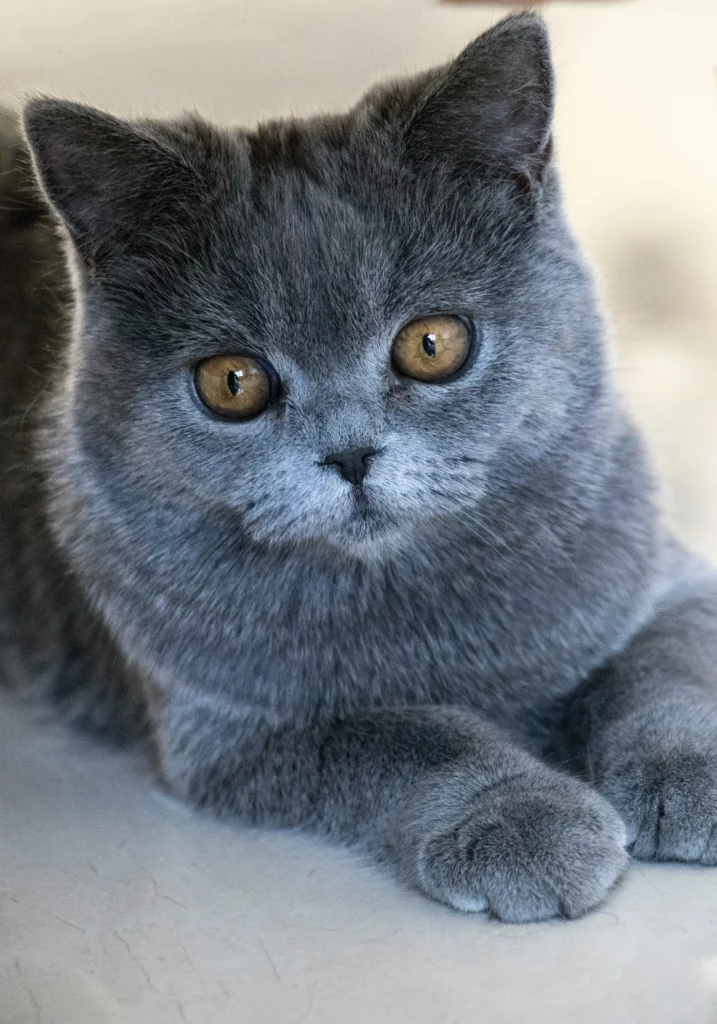

A small grey British Shorthair cat looking at the camera laying down

British Shorthair cat facts

The British Shorthair is a popular pedigree breed in the UK, with a teddy bear-like appearance and solid physique, these cats are admired for both their looks and their gentle nature. They form strong bonds with their owners while remaining comfortably independent, often preferring to relax nearby rather than seek constant attention. Their short, thick coat is relatively low maintenance, requiring regular brushing to manage shedding and keep it in good condition.

British Shorthairs are well-suited to family life and busy households, thanks to their relaxed and tolerant temperament. They generally get along well with children, other cats and even dogs, making them a good choice for multi-pet homes. Although they enjoy play and interaction, they are not overly demanding and are happy living indoors when provided with appropriate enrichment, routine and comfort. Providing scratching posts and interactive toys helps support their physical and mental wellbeing, while regular exercise can reduce the risk of weight-related health problems later in life.


Quick British Shorthair facts

  • Temperament: Calm, loyal, gentle, and independent; enjoy companionship without being demanding
  • Lifespan: 12–18 years
  • Price: £400–£1,200 depending on breeder and pedigree
  • Size: 30–35cm
  • Weight: 4–7kg
  • Coat pattern: Solid, tabby, shaded, bi-colour, and more
  • Grooming: Weekly brushing
  • Exercise needs: Low to moderate; enjoy gentle play and routine activity
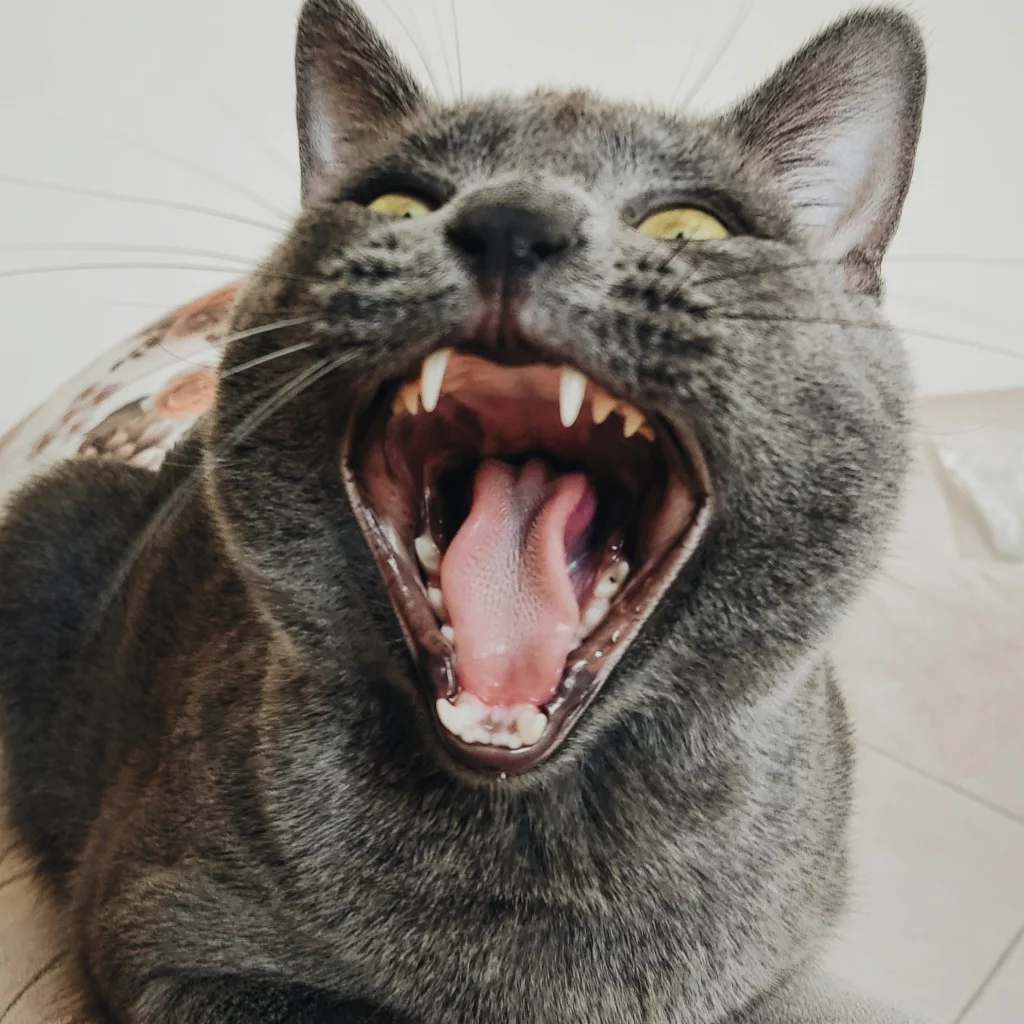
A British Shorthair cat with it's mouth open

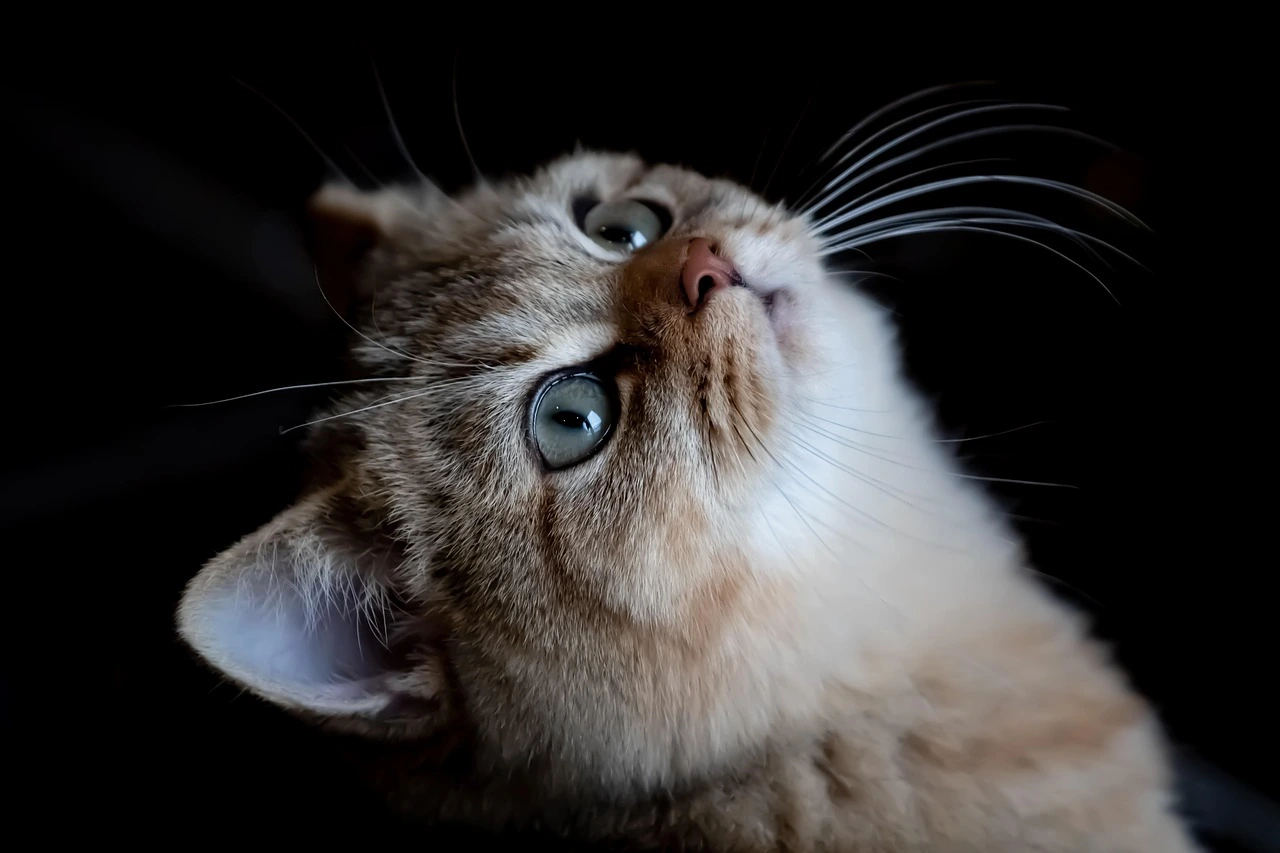
A light small British Shorthair kitten looking up

Common health conditions in British Shorthair cats

British Shorthair cats are more susceptible to certain inherited and lifestyle-related health conditions, such as the below:
The two most common forms of heart disease affecting British Shorthair cats are:

Dilated cardiomyopathy (DCM) – This condition is linked to taurine deficiency, highlighting the importance of providing a high-quality, protein-rich diet to support heart health.

Hypertrophic cardiomyopathy (HCM) – This condition involves thickening of the heart muscle and is often associated with an overactive thyroid. It is more commonly seen in older and overweight cats.

Cats with heart disease are at increased risk of developing blood clots in their arteries, a serious condition known as feline aortic thromboembolism (FATE). In many cases, the clot blocks blood flow to the hind legs, leading to sudden pain, weakness, or partial to complete paralysis. Affected legs may feel cold to the touch, and the condition requires immediate veterinary attention. 

The vestibular system plays a vital role in maintaining a cat’s balance and coordination. When this system is affected, cats may experience temporary balance problems and disorientation. Common symptoms include:

  • Loss of balance
  • Head tilting
  • Dizziness
  • Disorientation
  • Involuntary eye movement

Polycystic Kidney Disease (PKD) is caused by a defective gene that was first identified in Persian cats but is also found in other breeds, including British Shorthairs. Kittens born with PKD develop tiny cysts within their kidneys, which gradually grow over time. As the cysts expand, they damage healthy kidney tissue and can eventually impair normal organ function.

British Shorthairs can be prone to eye conditions, particularly cataracts, which are a common cause of blindness in older cats. Early signs include cloudiness of the lens that affects vision. While surgery can restore sight in some cases, many cats adapt well to gradual vision loss and continue to live comfortably.

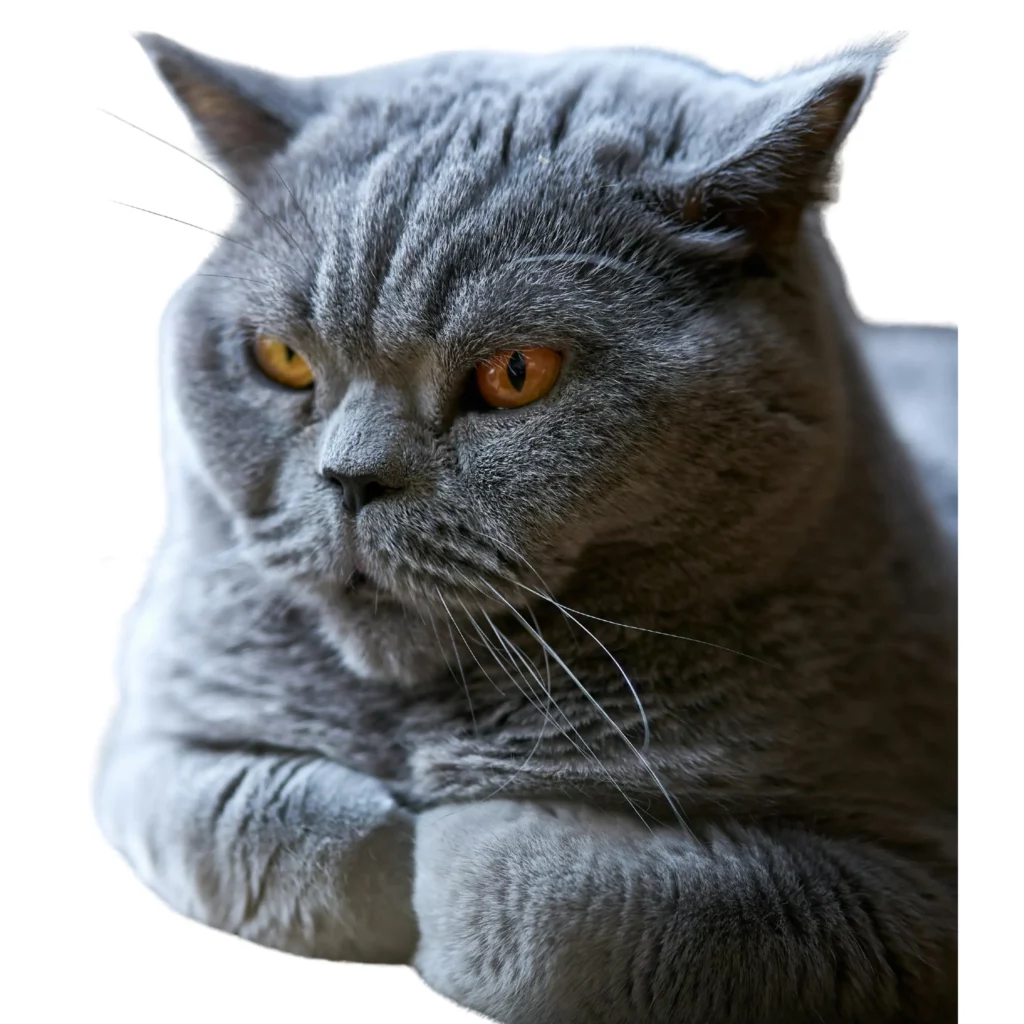
A grumpy looking grey British Shorthair with its paws crossed

British Shorthair Insurance for Kittens and Adult Cats

British Shorthair kitten insurance is especially important during the first year of life, when young cats are more prone to infections and developmental issues. Early cover also prevents future exclusions linked to pre-existing conditions.

For adult cats, British Shorthair pet cover continues to provide valuable protection as health risks increase with age. Lifetime cover for British Shorthair cats is often recommended, as it offers ongoing support for chronic and recurring conditions.

GET AN ONLINE QUOTE

British Shorthair cat care

While genetics play a role, good care can reduce the risk of illness and improve long-term health.
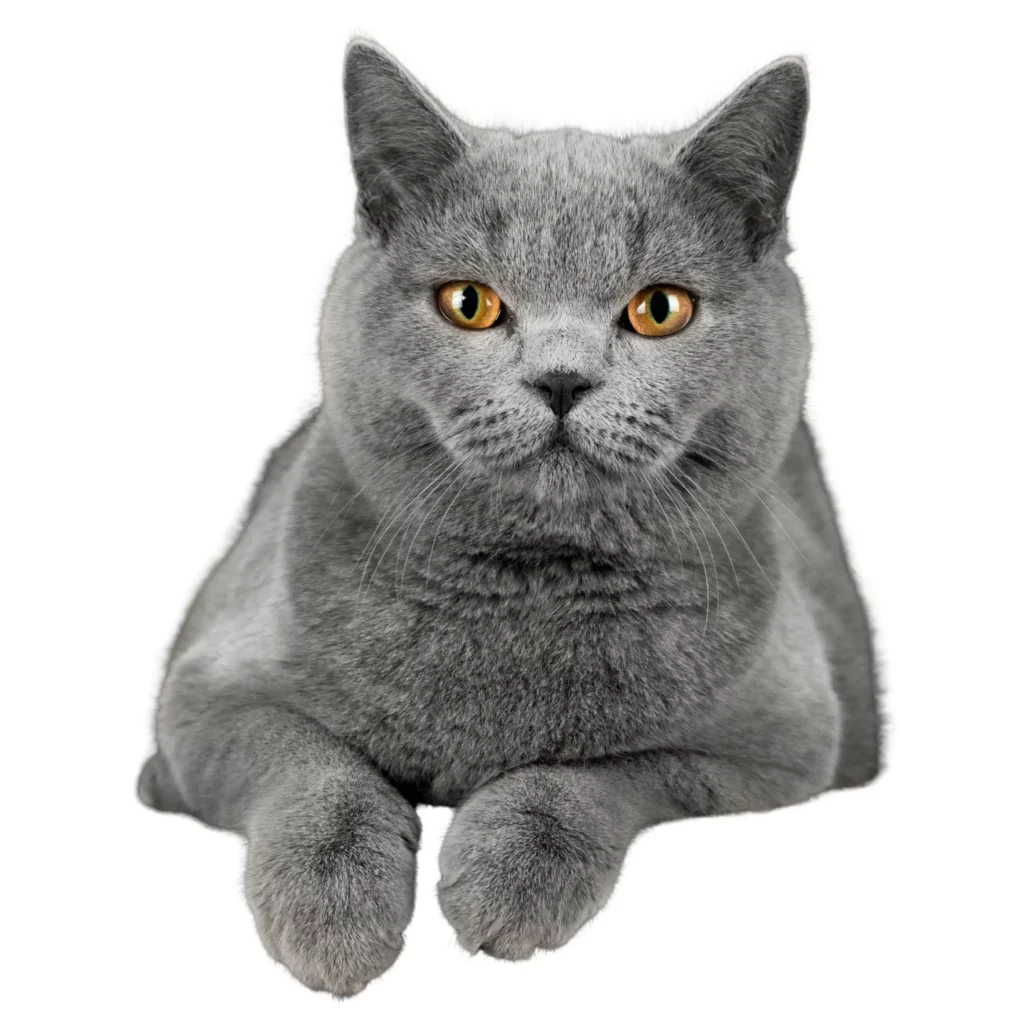
A grey British Shorthair with no background laying on the ground

British Shorthairs have a short, dense coat that is easy to maintain, with regular brushing usually enough to keep it in good condition. They come in a wide range of colours, including the well-known British Blue, which appears as a rich charcoal grey with subtle blue tones.

Grooming may be needed more often during seasonal shedding, particularly in spring. Introducing brushing from kittenhood and using positive reinforcement helps make grooming a calm, cooperative routine. Regular coat care also supports bonding and allows you to spot any changes in your cat’s skin or condition early.

British Shorthairs are usually energetic as kittens and become more relaxed as they mature. While they do not require high levels of exercise, they still enjoy regular play. Providing scratching posts and engaging toys around the home helps keep them active, healthy and mentally stimulated.

British Shorthairs thrive on a high-protein, meat-based diet suited to their age and life stage. Their nutritional needs change as they grow, so regular advice from your vet can help ensure they receive the right balance of food. While wet food is often ideal for meeting protein requirements, adding some dry food can provide variety.

Because this breed is prone to weight gain, portion control and regular play are important for maintaining a healthy weight. Fresh water should always be available to support overall wellbeing.

British Shorthairs are intelligent, playful cats that respond well to gentle training and positive encouragement. They enjoy learning simple tricks and routines, with clicker training and small treats working particularly well, although treats should be given in moderation to prevent weight gain.

This breed adapts well to indoor living when provided with plenty of stimulation. Regular play using a variety of toys helps prevent boredom and supports both physical and mental wellbeing. Toys that encourage chasing and pouncing are especially appealing and rotating them regularly keeps playtime engaging and rewarding.


Muddy Paws British Shorthair cat insurance

Muddy Paws offers cat insurance designed specifically to provide cover for breeds such as the Bengal cat. This gives owners peace of mind that if their pet should fall ill, suffer an injury, or need urgent veterinary treatment, they are financially protected.

  • Comprehensive cover for unexpected illness and veterinary treatment
  • Fast, simple claims when you need support most
  • Nationwide vet access, wherever you are in the country
  • Insure more than one pet and you may be eligible for a multi-pet discount
  • Pay your premiums monthly to help manage costs
GET A QUOTE

Frequently asked questions about British Shorthair cats and insurance
Yes, British Shorthairs are an excellent choice for first-time owners thanks to their calm, affectionate, and independent nature. They are quiet, low maintenance, and adapt easily to different home environments. While they may not always seek constant attention, they enjoy staying close to their owners and make loyal, relaxed companions.

 British Shorthair’s average price varies significantly, from around £150 to over £3,000 in the UK. This depends on breeder reputation, pedigree, coat colour (like popular blue or rare gold) and show quality, with high-quality kittens from reputable breeders costing substantially more.

When choosing cat insurance, start by deciding on the level of cover you need, from comprehensive Lifetime policies to lower-cost Accident-Only plans. You can then compare providers based on your cat’s specific needs. For long-term peace of mind, Lifetime cover is usually the best option, especially for chronic conditions, while accident-only cover is cheaper but more limited.

British Shorthairs are typically not among the most expensive cat breeds to insure, with monthly premiums often falling within a mid-range, depending on the level of cover. While insurance costs are usually higher than for mixed-breed cats, they remain relatively affordable compared to higher-risk pedigree breeds, although premiums can increase as your cat gets older.

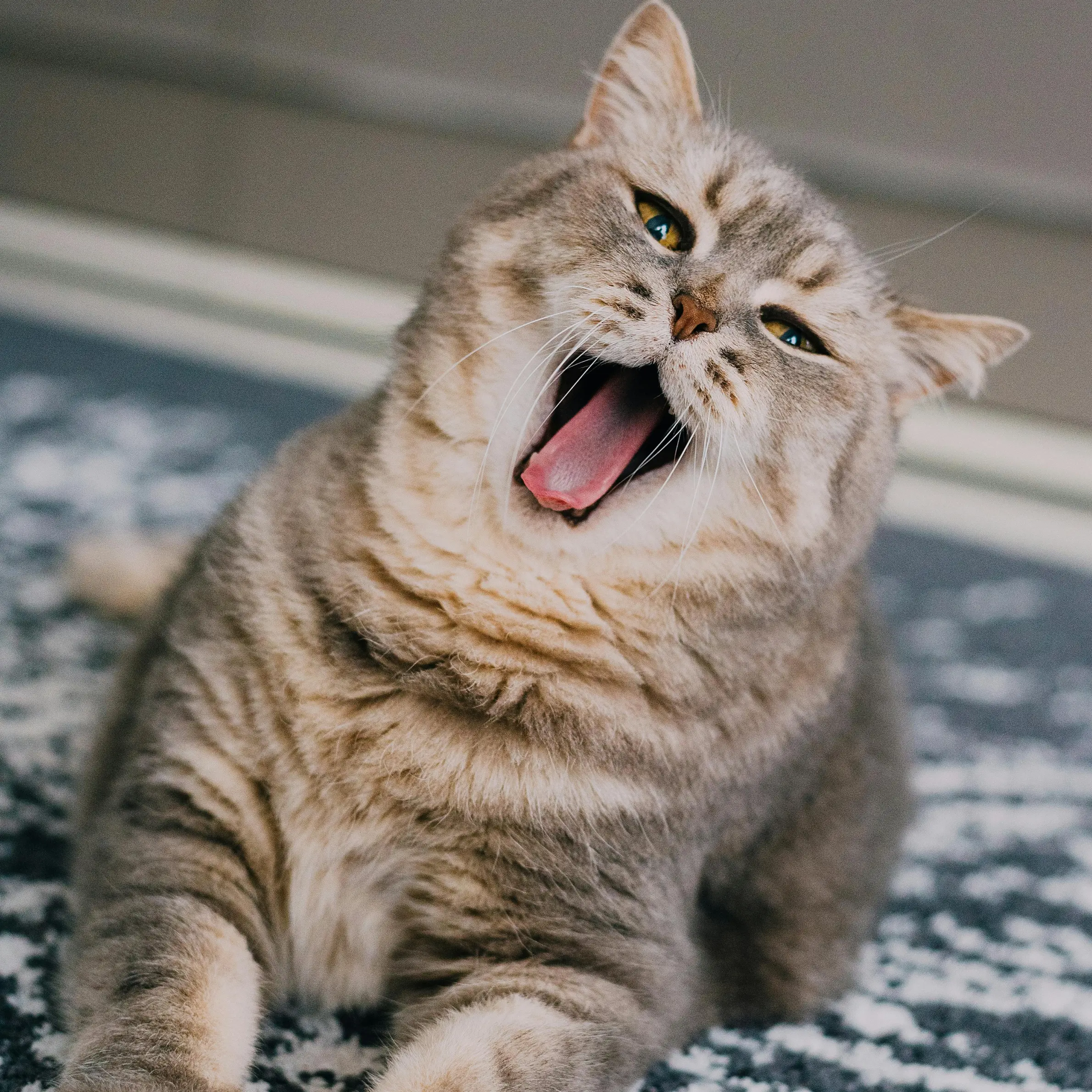
A light coloured British Shorthair laying on the ground with its mouth open

  • Claims paid quickly

    Easy to deal with, and claims paid quickly with minimal fuss.
    Sonny
    January 2026
  • Excellent insurance

    Simple and easy to sign up, excellent service for the price
    Ben
    February 2026