
Cockapoo Insurance: Breed Information and Advice
Table of Contents
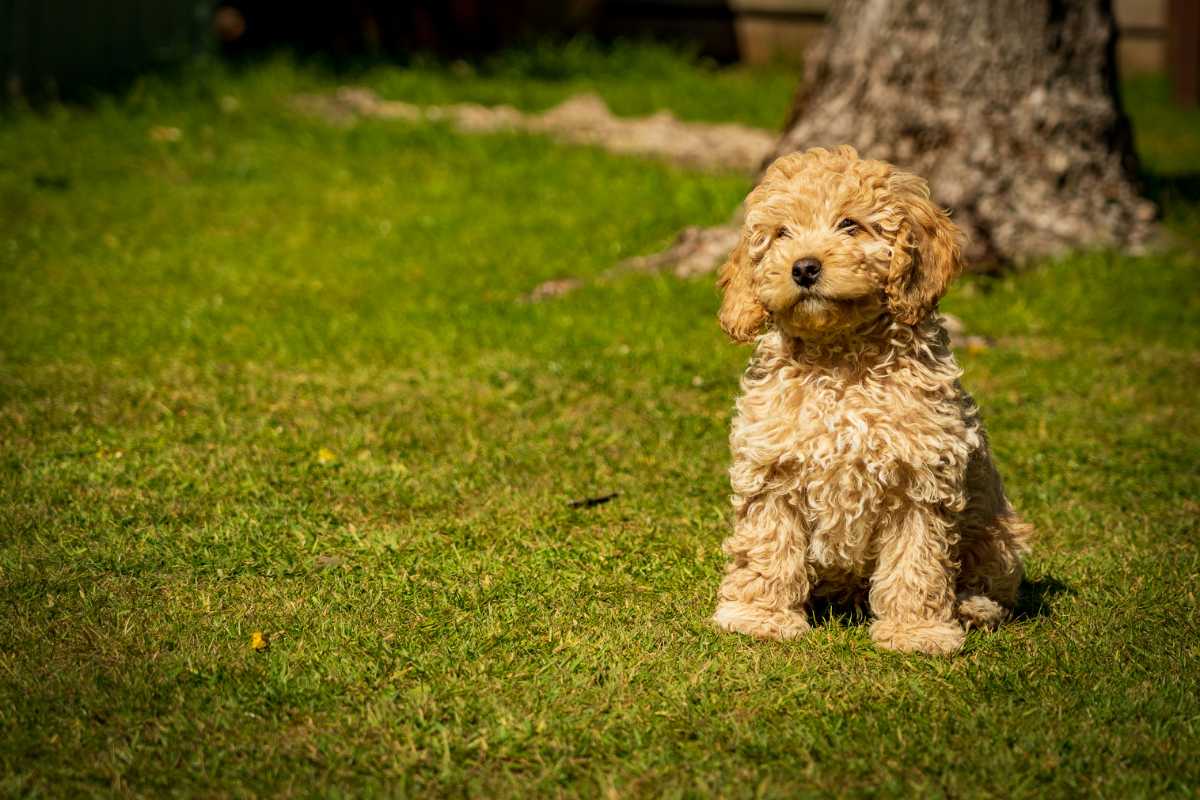
Friendly, intelligent, and full of energy, Cockapoos have become popular companions for households across the UK. A cross between a Cocker Spaniel and a Poodle, they can combine characteristics from both parent breeds, from the Cocker Spaniel’s sociable nature to the Poodle’s intelligence and distinctive coat.
Because Cockapoos are crossbreeds, their size, coat, appearance, and temperament can vary considerably depending on their parentage. The same applies to their health: being a crossbreed does not automatically protect a Cockapoo from inherited or acquired health problems. Royal Veterinary College research found that designer crossbreeds such as Cockapoos were not generally healthier than their parent breeds across the majority of conditions studied.
Suitable Cockapoo insurance can help towards eligible veterinary costs if your dog becomes unexpectedly ill or injured, making it easier to plan for treatment without relying entirely on savings.
Cockapoo facts
A Cockapoo is traditionally produced by crossing a Cocker Spaniel with a Poodle. However, Cockapoos can also be bred from later generations, which means there can be considerable variation between individual dogs.
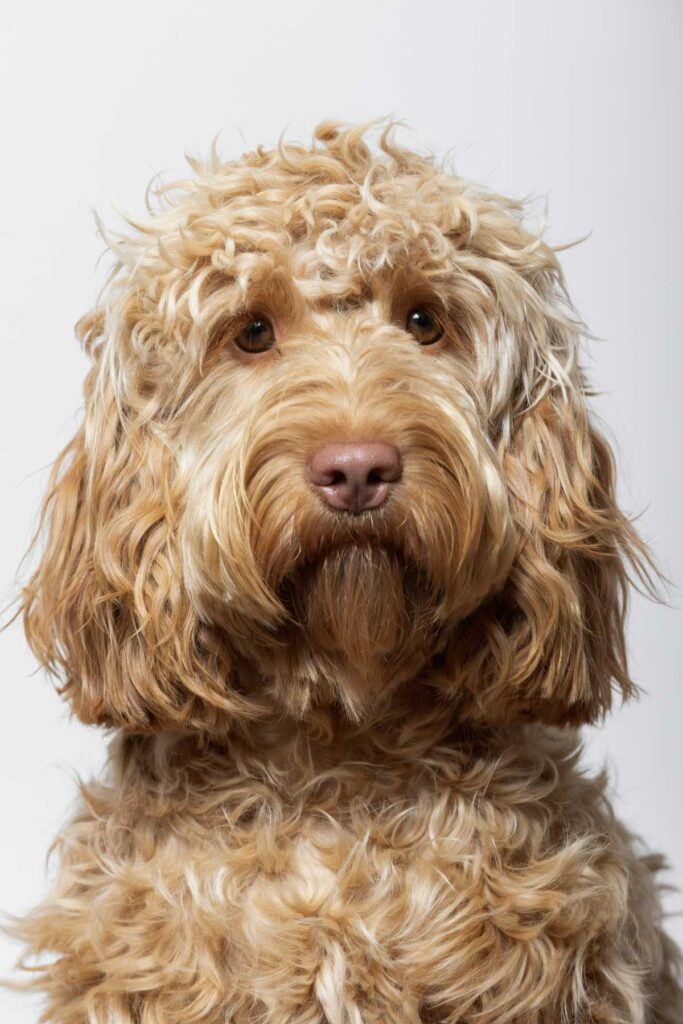
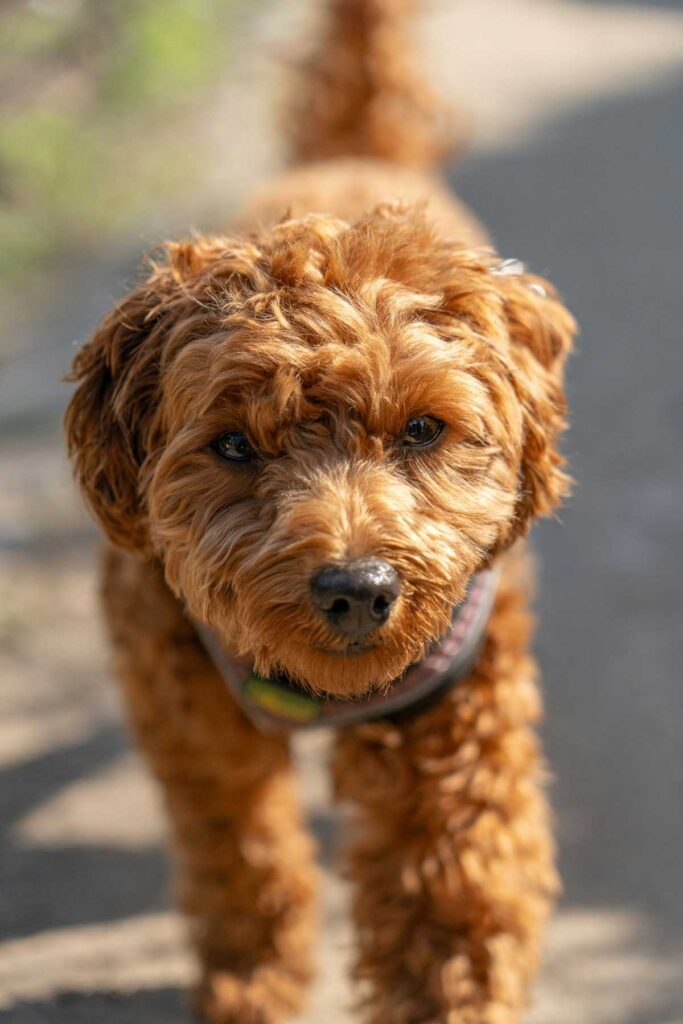
Most are small to medium-sized, energetic dogs with wavy or curly coats. They are typically people-focused, intelligent, and eager to take part in family life. Their Poodle and Spaniel heritage can also make them active dogs that benefit from both physical exercise and mental stimulation.
Quick Cockapoo facts
- Temperament: Friendly, intelligent, sociable, playful, and affectionate
- Breed type: Cocker Spaniel and Poodle cross
- Size: Usually small to medium, although this varies according to parentage
- Typical weight: Often around 5–11kg, although individual dogs can fall outside this range
- Lifespan: Commonly around 12–15 years
- Coat: Can be curly, wavy, or comparatively straight
- Grooming: Regular brushing and usually professional clipping
- Exercise: Generally around an hour or more each day for a healthy adult
- Training: Typically intelligent and responsive to reward-based training
- Companionship: Often highly people-oriented and can dislike being left alone for long periods
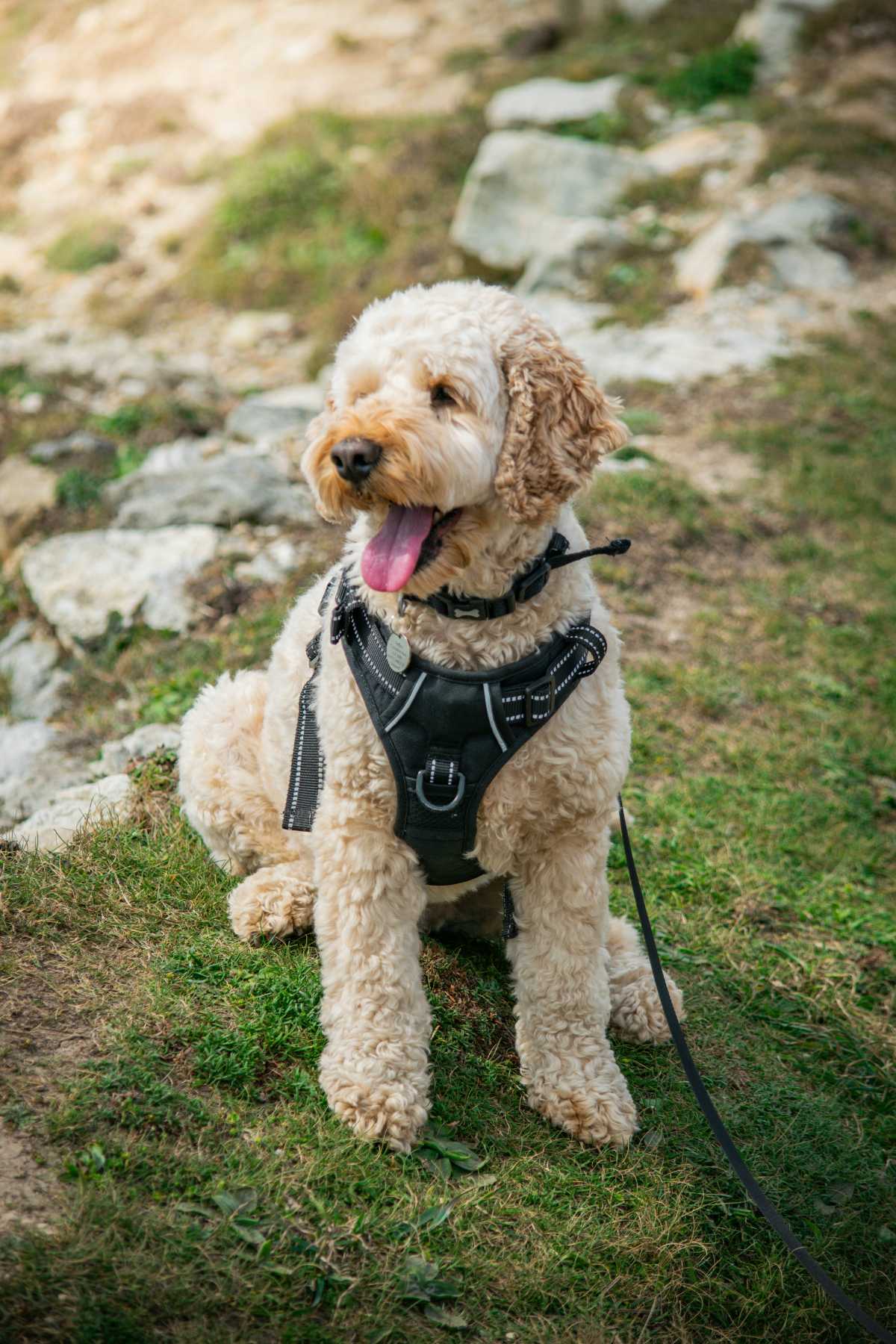
Because there’s no single Cockapoo appearance, prospective owners should avoid assuming that every puppy will grow to the same size or develop the same type of coat.
Why choose Muddy Paws insurance for your Cockapoo?
Cockapoos can be healthy, active dogs, but unexpected veterinary treatment can become expensive. Investigations, scans, medication, surgery, specialist referrals, and longer-term treatment can all create costs that are difficult to predict.
Taking out Cockapoo pet insurance before a medical problem develops is worth considering because Muddy Paws does not cover pre-existing conditions. If an illness, injury, or relevant symptom was present before the policy began, treatment associated with it may not be covered later.
Muddy Paws offers both Lifetime and 12 Month cover. Lifetime policies can provide continued cover for eligible ongoing conditions across policy years, with the selected veterinary fee limit becoming available again when the policy renews. Lifetime insurance remains an annual contract and is subject to renewal, premiums, underwriting criteria, limits, excesses, exclusions, and other policy terms.
This distinction can matter when choosing Cockapoo dog insurance, as conditions involving allergies, ears, joints, or other health problems may sometimes require repeated veterinary treatment rather than one isolated appointment.
Common health conditions in Cockapoos
Not every Cockapoo will experience the conditions below. However, because Cockapoos descend from both Cocker Spaniels and Poodles, they can inherit health risks associated with either parental line.
The British Cockapoo Society recommends health testing for several inherited conditions that may be passed down from the parent breeds, including progressive retinal atrophy, glaucoma, hip dysplasia, familial nephropathy, von Willebrand disease, and phosphofructokinase deficiency.
Extra costs of owning a Cockapoo
The cost of owning a Cockapoo goes beyond their initial purchase or adoption fee. Regular grooming, preventative healthcare, food, training, and everyday essentials should all be included when deciding whether the breed suits your budget.
Alongside your Cockapoo insurance, you should budget for costs such as:
- Complete, good-quality dog food and treats
- Routine veterinary health checks
- Vaccinations
- Flea, tick, and worm treatments
- Professional grooming and clipping
- Brushes, combs, shampoos, and coat-care products
- Routine dental care
- Beds, bowls, collars, harnesses, and leads
- Toys, puzzle feeders, and enrichment
- Puppy and training classes
- Dog walking or daycare, where required
- Boarding kennels or pet sitting
- Replacement equipment throughout your dog’s life
Grooming is likely to be one of the more noticeable recurring costs of Cockapoo ownership. Their coats can become tangled and matted without regular attention, so owners may need to combine frequent home brushing with professional grooming appointments throughout the year.
Routine and preventative costs should be budgeted for separately from pet insurance. Muddy Paws does not cover routine treatments such as vaccinations, flea, tick, and worming treatments, general grooming, or ordinary check-ups under its standard dog insurance.
Unexpected veterinary treatment is much harder to budget for. Recurrent ear infections, skin problems, orthopaedic conditions, or eye disease can potentially involve consultations, diagnostic investigations, medication, surgery, or longer-term treatment. Having suitable Cockapoo pet insurance can help towards eligible unexpected veterinary costs, while your normal household budget covers predictable everyday expenses.
Cockapoo care
Muddy Paws’ insurance offerings for Cockapoos
When comparing Cockapoo dog insurance, it’s worth looking beyond the cheapest monthly premium. Consider the veterinary fee limit, how long eligible conditions can remain covered, your excess, waiting periods, exclusions, and additional policy benefits. Muddy Paws offers dog insurance with both Lifetime and 12 Month options.
Depending on the policy selected, current Muddy Paws cover can include:
- Up to £10,000 in veterinary fee cover per policy year
- Lifetime cover, with the veterinary fee allowance refreshed at renewal for eligible ongoing conditions
- 12 Month cover for eligible illnesses or injuries for a limited treatment period
- Cover towards eligible treatment, diagnostics, surgery, and medication
- Complementary therapy
- Third-party liability cover for dogs
- Loss, theft, or straying benefits
- Emergency boarding cover
- Pet travel cover
- The ability for Muddy Paws to pay your vet directly, subject to the claims process
Muddy Paws’ current Lifetime options include veterinary fee limits up to £10,000 per policy year, depending on the level selected. Lifetime veterinary fee limits become available again when a policy renews, meaning eligible ongoing conditions can continue to receive cover subject to the policy terms.
A 12 Month policy works differently. Muddy Paws states that cover for an individual condition is available for up to 365 days from its occurrence, subject to the applicable policy limit. Once that period ends, further treatment for the condition is no longer covered.
Pre-existing conditions are excluded. Waiting periods also apply to new policies: illnesses occurring within the first 14 days and injuries occurring within the first five days are not covered. Always read the latest policy wording and Insurance Product Information Document before purchasing so you understand the cover, excesses, inner limits, exclusions, and conditions applying to your chosen policy.
Frequently asked questions about Cockapoos and insurance
See What Our Customers Say
See what other pet insurance customers rated us.