German Shepherd Information and Advice

Table of Contents

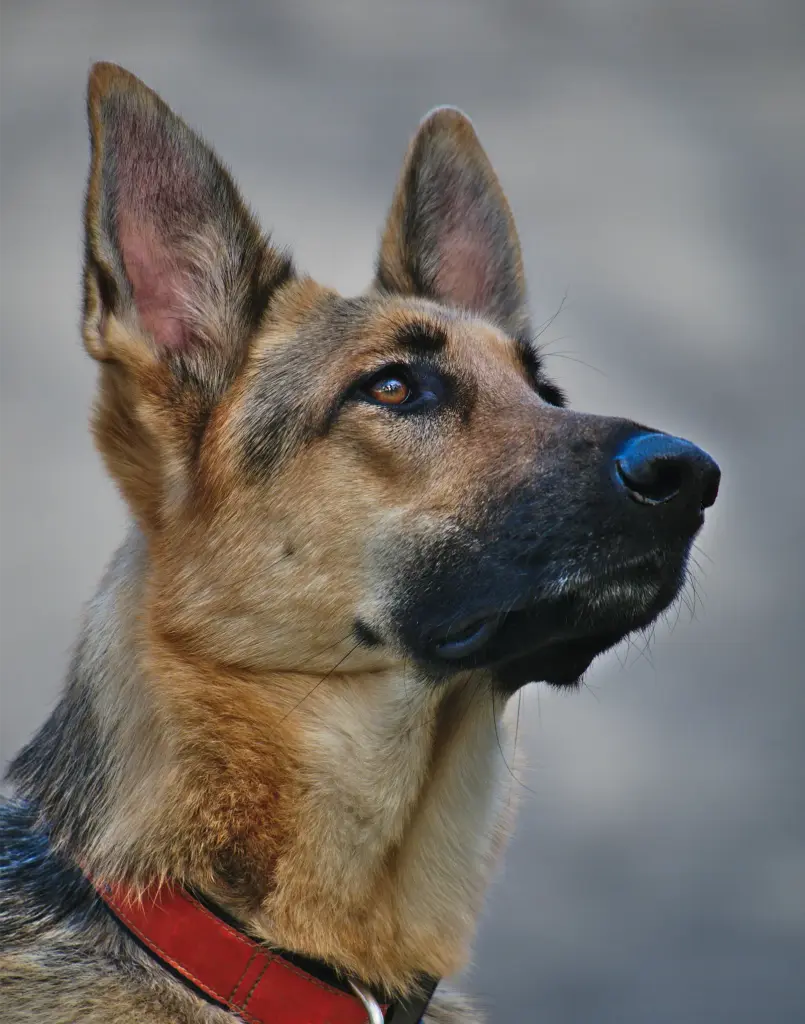
Originally bred as herding dogs in Germany, German Shepherds are athletic, alert and hardworking. Their intelligence and strong work ethic make them exceptional companions, but their size and genetic predispositions mean they can be prone to certain health conditions that may result in significant veterinary costs over time.

Pet insurance for German Shepherds is an important consideration for owners of this intelligent and highly capable breed. Known for their loyalty and protective instincts, German Shepherds are confident, trainable dogs that form deep bonds with their families. They are widely respected for their versatility and are commonly seen working in police, military, search and rescue and assistance roles across the UK.

German Shepherd Breed Overview

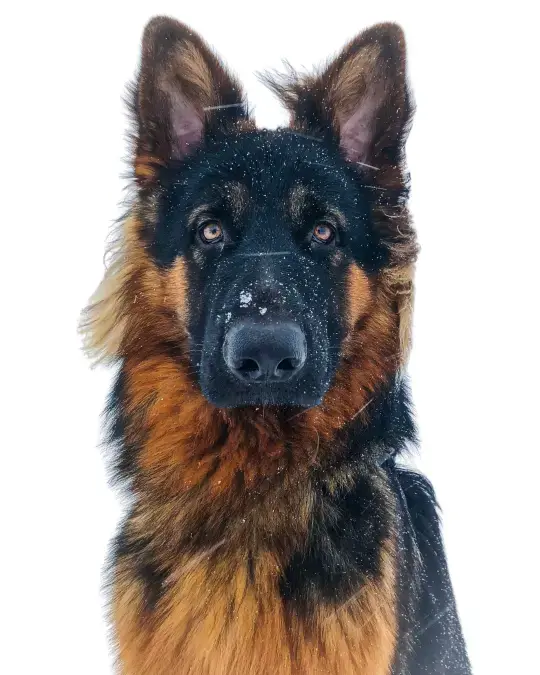
German Shepherds are a large working breed originally developed for herding and guarding livestock. They are best known for being highly intelligent dogs, as well as for their courage and versatility.

  • Temperament: Loyal, confident, intelligent, sociable and protective. Highly trainable and devoted, they make excellent family dogs with proper socialisation and training.
  • Lifespan: 9–13 years, influenced by genetics, diet, exercise and breed-related health risks.
  • Average cost: £800–£2,500 depending on breeder, pedigree and working or show lines.
  • Weight: Males 30–40kg | Females 22–32kg
  • Coat type: Dense double coat with insulating undercoat. Long-haired varieties require more frequent grooming.
  • Grooming: Moderate to high due to regular shedding.
  • Exercise needs: High. They need daily physical activity and mental stimulation.


Why Insure a German Shepherd?

Choosing the right German Shepherd pet insurance protects both your dog’s health and your finances. While strong and capable, German Shepherds are prone to joint conditions such as hip and elbow dysplasia, as well as hereditary and neurological issues that may require long-term treatment. Pet insurance for German Shepherds is therefore an important consideration.

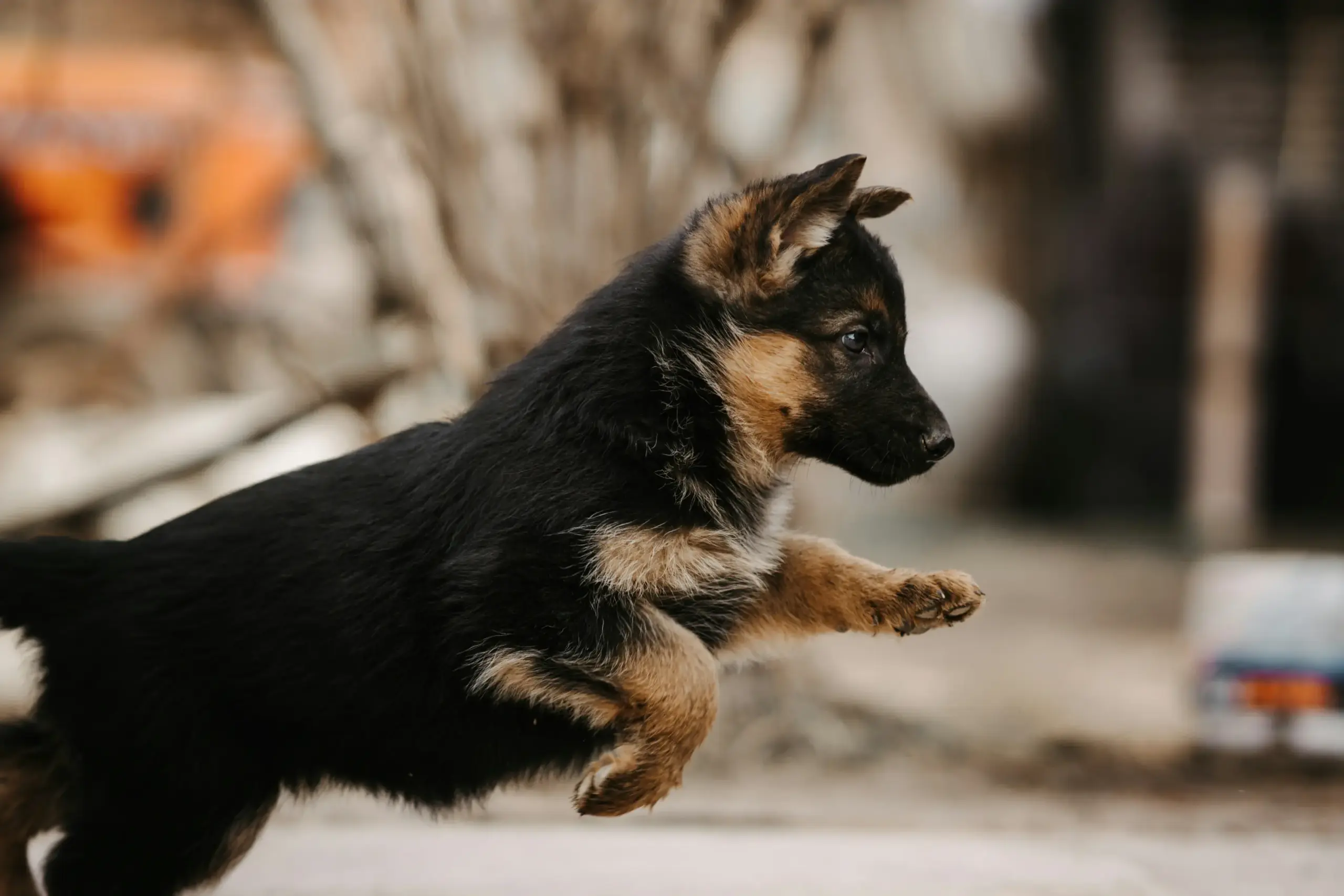
Muddy Paws offers flexible pet insurance for German Shepherds, with cover available to begin for puppies from the age of 5 weeks up to their 11th birthday.

GET AN ONLINE QUOTE

Common Health Conditions in German Shepherds

German Shepherds are a strong and capable breed, but like all dogs, they are predisposed to certain health conditions that owners should understand and plan for.
Hip and elbow dysplasia are common hereditary joint conditions in German Shepherds. They occur when the joints do not develop properly, leading to instability, pain, inflammation and eventually arthritis. Symptoms can include stiffness, reluctance to exercise, difficulty rising and lameness. Mild cases may be managed with weight control, medication, and physiotherapy, while more severe cases can require costly surgical intervention. When selecting a puppy, checking the health scores and parentage can help reduce the risk of inherited joint problems.

Degenerative myelopathy is a progressive neurological disease that affects the spinal cord, typically in middle-aged to older dogs. It gradually leads to weakness in the hind legs, loss of coordination and eventual mobility loss. Although the condition is not usually painful, it significantly impacts quality of life and often requires long-term supportive care, mobility aids and lifestyle adjustments.

Bloat is a life-threatening emergency that occurs when the stomach fills with gas and twists on itself. This condition cuts off blood supply and requires immediate veterinary surgery. Large, deep-chested breeds such as German Shepherds are at increased risk. Symptoms include restlessness, abdominal swelling, retching without vomiting and signs of distress. Prompt treatment is critical.

EPI is a digestive disorder in which the pancreas does not produce enough enzymes to properly digest food. Affected dogs may experience weight loss, chronic diarrhoea and poor coat condition despite having a good appetite. Management typically involves lifelong enzyme supplementation and careful dietary control.

German Shepherds are prone to both environmental and food-related allergies. Symptoms can include itching, ear infections, redness, hair loss and recurring skin infections. These conditions often require ongoing management through medication, specialised diets, or allergy testing.


German Shepherd Care

Caring for a German Shepherd involves meeting their physical, mental and nutritional needs to support long-term health and balanced behaviour.
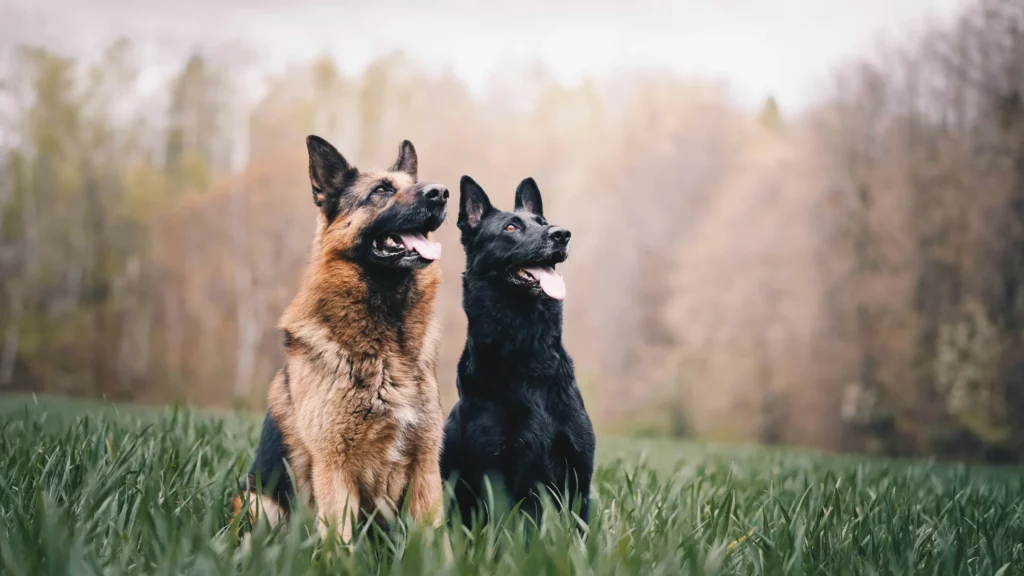
German Shepherds dense double coat sheds consistently. Brushing several times a week helps manage loose hair and maintain coat health. Regular checks of ears, teeth and skin are recommended.

German Shepherds require at least 1–2 hours of daily exercise, including structured walks, training sessions and mentally stimulating activities. German Shepherds love engaging in active play, training and outdoor adventures, which helps satisfy their energetic nature and need for physical stimulation. Without sufficient activity, they may develop behavioural problems.

A balanced, high-quality diet appropriate for large breeds is essential. When feeding your German Shepherd, you can choose from dry food, wet food, or raw food options, selecting the best type based on your dog’s age, size and activity level. Puppies require controlled growth to reduce pressure on developing joints. Adults should be fed measured portions to maintain a healthy weight, as excess weight increases strain on hips and elbows.

Highly intelligent and responsive, German Shepherds excel with consistent, positive training. Early socialisation is crucial to ensure balanced behaviour around other dogs and people. Following Kennel Club guidelines can help ensure effective training and socialisation, supporting responsible ownership and the breed’s reputable standards.


Muddy Paws German Shepherd Insurance

Muddy Paws offers German Shepherd pet insurance designed to provide reliable cover for popular dog breeds. This gives owners reassurance that if their dog becomes unwell, is injured, or requires urgent veterinary treatment, they are financially protected.

  • Comprehensive cover for unexpected illness and veterinary treatment
  • Fast, simple claims when you need support most
  • Nationwide vet access, wherever you are in the country
  • Insure more than one pet and you may be eligible for a multi-pet discount
  • Pay your premiums monthly to help manage costs
GET A QUOTE

Frequently Asked Questions about German Shepherd Insurance
While pet insurance is not legally required in the UK, it is strongly recommended for German Shepherds. The breed is predisposed to joint disorders such as hip and elbow dysplasia, as well as neurological and digestive conditions that can require long-term management or surgery. Treatment may involve diagnostics, specialist referrals, medication, physiotherapy, or emergency procedures, which can quickly become costly. Insurance helps ensure that if your dog develops a hereditary condition or suffers an unexpected injury, you can access appropriate veterinary care without facing significant financial pressure.

 German Shepherds are generally considered mid to higher range for insurance premiums. Their large size means that medication, anaesthesia, and surgery costs are typically higher than for smaller breeds. In addition, their predisposition to joint and mobility conditions can increase risk from an insurer’s perspective. Premiums are influenced by factors such as your dog’s age, medical history, location, and the level of cover selected. As with most breeds, insurance costs usually rise as dogs get older.

Lifetime cover is often recommended for German Shepherds because it provides ongoing protection for chronic and recurring conditions, as long as the policy is renewed each year. This is particularly important for conditions such as arthritis or degenerative disorders, which may require treatment over many years. Lifetime policies reset the annual vet fee limit each year, offering continued financial support for long-term health issues rather than stopping cover after a fixed amount or time period.

Yes. Working and highly active German Shepherds may have a greater risk of injury due to their physical workload and activity levels. Strains, ligament injuries, and accidental trauma can occur during training or exercise. Even non-working dogs remain at risk of hereditary conditions that are unrelated to lifestyle. Insurance provides reassurance that whether the issue is injury, illness, or a long-term condition, treatment decisions can be based on your dog’s needs rather than the cost involved.


  • Claims paid quickly

    Easy to deal with, and claims paid quickly with minimal fuss.
    Sonny
    January 2026
  • A joy to deal with

    A joy to deal with. Having a person to talk to is so refreshing in this day of AI and electronic voices. Easy to claim from and quick to pay, you never know how good an insurance is until you need them. In my experience Muddy Paws are very good.
    Nicolas
    February 2026
  • Friendly and easy to talk to customer…

    Very good help and information from advisor Dawn in setting up the policy for our dog.
    Michael
    February 2026