Pug Insurance: Breed Information and Advice

Table of Contents

Small in stature, but certainly not in personality, Pugs are affectionate, sociable dogs known for their expressive faces, tightly-curled tails, and love of human company. Originally bred as companion dogs, they are often happiest at the centre of family life.

Pugs do, however, have some important health considerations. Their flat-faced, brachycephalic, appearance is associated with an increased risk of breathing difficulties, while eye, skin, joint, and spinal problems are also recognised in the breed. This can make choosing suitable Pug insurance particularly important for owners who want help managing eligible unexpected veterinary costs.

Taking out pet insurance for Pugs before medical problems develop can help protect against eligible illnesses and injuries, while giving you greater certainty about how you would manage an unexpected vet bill.


Pug facts

Pugs are small companion dogs with big personalities. They tend to be affectionate, playful, and extremely people-focused, often preferring to follow their owners around rather than spend long periods by themselves.

They are members of the Toy breed group and generally require less exercise than many larger or more energetic breeds. However, keeping a Pug active and at a healthy weight is particularly important because excess weight can make existing breathing difficulties worse.

Quick Pug facts

  • Temperament: Affectionate, sociable, playful, and people-focused
  • Breed group: Toy
  • Size: Small
  • Average height: Around 25–33cm
  • Average weight: Around 6–8kg
  • Average lifespan: Over 10 years
  • Coat: Short
  • Grooming: Regular brushing despite their short coat
  • Exercise needs: Generally less than one hour per day, adapted to the individual dog
  • Origin: China
  • Notable features: Flat face, prominent eyes, facial folds, and curled tail

Pugs have an average height of 25–33cm and weight of around 6–8kg, with an average lifespan of more than 10 years.
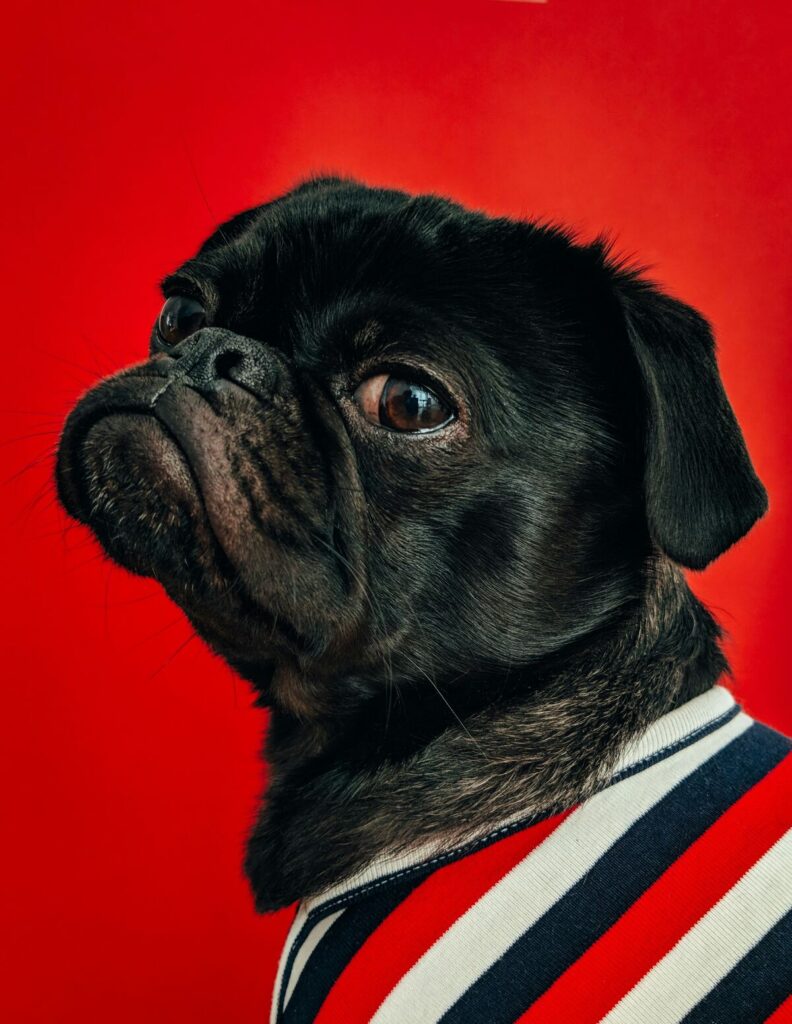
black pug wearing striped apparel on a red background - pug pet insurance

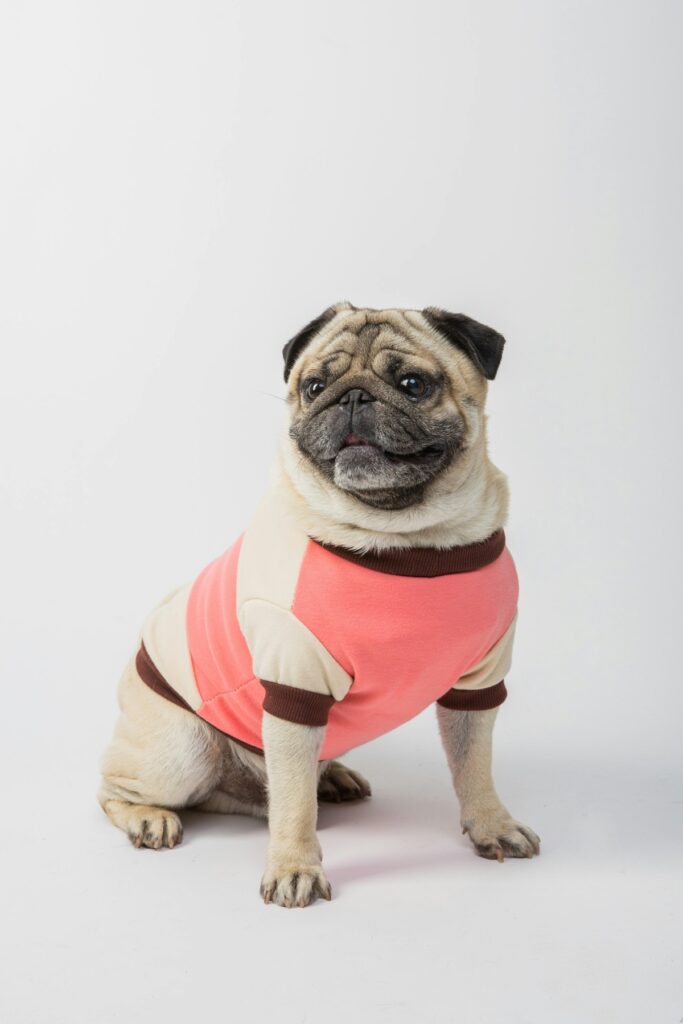
fawn pug wearing a red and white striped shirt - pug insurance uk

Why choose Muddy Paws insurance for your Pug?


Common health conditions in Pugs

Having a Pug does not mean your dog will develop every, or any, of the conditions below. However, the breed has several recognised health concerns that current and prospective owners should understand. Knowing what to look out for can help you seek veterinary advice promptly and make a more informed decision when comparing Pug dog insurance.
Those characteristic facial wrinkles need regular attention. Moisture, debris, and bacteria can accumulate between skin folds, potentially leading to irritation and infection. Skin infections around the face and tail folds are a particular health concern for Pugs.

Regularly checking the folds and keeping them appropriately clean and dry can help owners identify irritation before it becomes more serious.

Pugs are brachycephalic dogs, meaning their skull and muzzle are shorter than those of many other breeds. In some dogs, this can lead to brachycephalic obstructive airway syndrome, or BOAS.

BOAS can interfere with normal breathing and make exercise or warm weather particularly challenging. Symptoms can include noisy breathing, snorting, reduced exercise tolerance, sleep problems, and difficulty recovering after activity.

It is important not to assume that loud breathing is simply normal because your dog is a Pug. Sounds such as snorts, snores, and loud breathing may be signs of BOAS and should be discussed with a vet.

Treatment will depend on severity and may include weight management, lifestyle changes, monitoring, or surgery.

A Pug’s large, prominent eyes and relatively shallow eye sockets can make them susceptible to several eye problems including corneal ulcers, dry eye, eye infections, eye trauma, entropion (where the eyelid turns inwards), ectropion (where the eyelid turns outwards).

Eye problems can deteriorate quickly and may be painful. Redness, cloudiness, discharge, excessive blinking, squinting, rubbing the face, or a sudden change in the appearance of an eye should prompt veterinary advice.

Luxating patella occurs when the kneecap temporarily moves out of its normal position. It can cause intermittent skipping or limping and, depending on the severity, may require veterinary management or surgery. Pugs can also experience other orthopaedic conditions, including hip and elbow dysplasia and Legg-Calvé-Perthes disease.

Maintaining an appropriate body weight can help avoid placing unnecessary additional strain on your Pug’s joints.

Hemivertebrae are abnormally-shaped bones in the spine. Pugs are among the breeds in which this problem can occur.

Some affected dogs may have few noticeable problems, while others can develop pain, weakness, difficulty walking, or other neurological symptoms depending on the location and severity of the spinal abnormality.

Pug Dog Encephalitis, sometimes called PDE, is a serious neurological condition associated with the breed. Potential symptoms include seizures, blindness, and difficulties walking, with symptoms becoming progressively worse.

Any seizure, sudden loss of coordination, vision change, or other neurological symptom requires prompt veterinary attention.

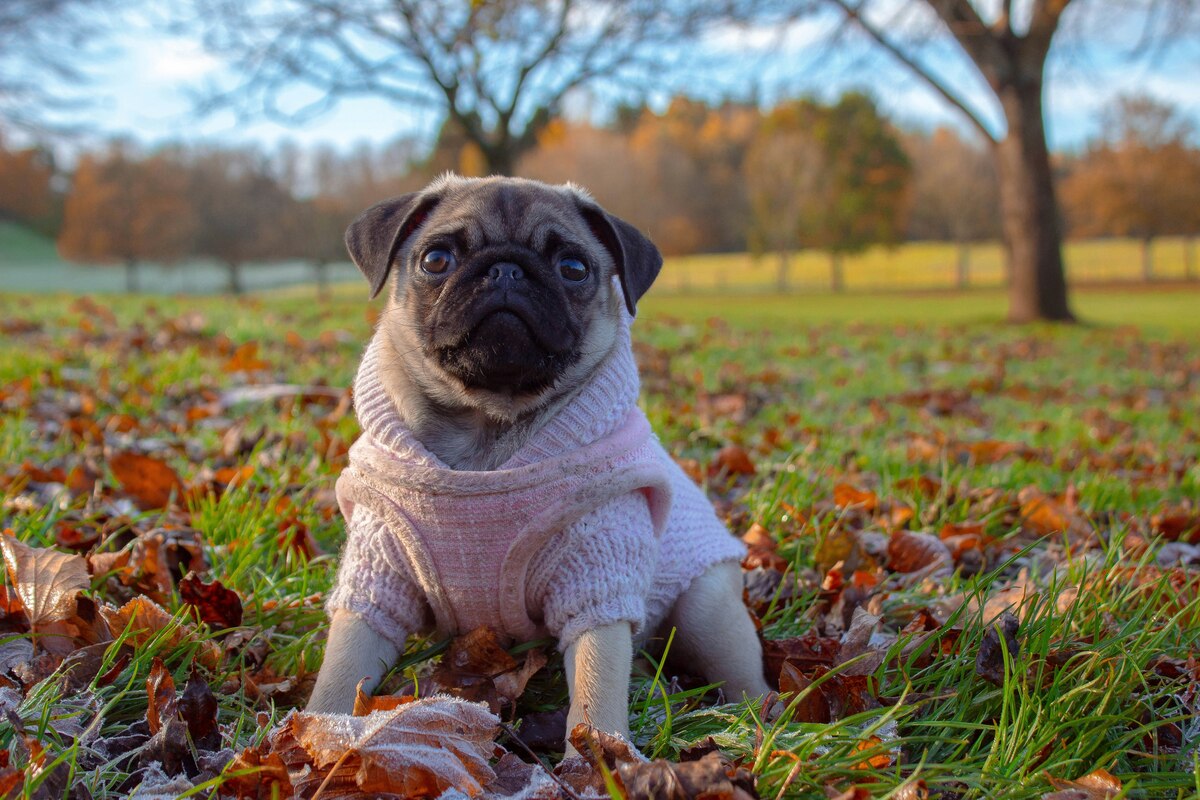
pug with pink suit on grass with trees in the background - best pug insurance

Extra costs of owning a Pug

The financial commitment involved in owning a Pug goes well beyond their initial purchase or adoption fee. There will be likely around a minimum cost of £50 per month after purchase and set-up costs, and more than £9,000 over a Pug’s lifetime. These figures are estimates and do not include unexpected veterinary treatment if your dog becomes ill or injured.

Alongside Pug insurance, you should budget for expenses such as:

  • Complete, good-quality dog food
  • Routine veterinary appointments
  • Annual vaccinations
  • Flea and worm treatments
  • Beds, bowls, leads, and toys
  • A suitable harness
  • Grooming and skin-fold care supplies
  • Dental care products
  • Training classes
  • Dog walking or daycare, where required
  • Boarding kennels or pet sitting
  • Replacement equipment
  • Routine preventative care

Some costs can be kept manageable with good preventative habits. Maintaining a healthy weight, caring for your Pug’s teeth and skin folds, keeping up with routine health checks, and avoiding excessive exercise in hot weather can all support their health.

However, these measures cannot remove the risk of illness or injury. Unexpected veterinary costs are particularly important to consider with Pugs because investigations and treatment for breathing, eye, skin, spinal, or joint problems can potentially involve specialist care or surgery. Pet insurance is designed to help with eligible unexpected veterinary treatment rather than predictable routine costs such as vaccinations, flea treatment, worming, and ordinary check-ups. Muddy Paws does not cover routine preventative treatment.


Pug care

Maintaining an appropriate weight is particularly important for Pugs. Being overweight can place additional pressure on their joints and make breathing difficulties worse.

Feed a complete, balanced diet appropriate for your dog’s age, weight, and activity levels. Always measure portions, rather than estimating them.

Treats should also be included when calculating your Pug’s daily food intake and should account for no more than 10% of daily calories. If you are unsure whether your Pug is a healthy weight, ask your vet or veterinary nurse for guidance.

Although Pugs have short coats, they can shed considerably. Brushing at least once a week can help remove loose hair and keep their coat in good condition.

Their wrinkles require additional attention, too. Regularly inspect facial and tail folds for redness, soreness, moisture, odour, or discharge, and follow your vet’s advice about keeping them clean and dry. Also, regularly check your Pug’s eyes, ears, paws, nails, teeth, and skin for any concerning changes.

Pugs still need regular exercise even though they are not a particularly high-energy breed. Up to an hour of daily exercise is recommended, which can be divided into several shorter walks alongside play and mentally stimulating activities. Interactive toys, scent-based games, reward-based training, and puzzle feeders can provide valuable mental stimulation without relying entirely on strenuous physical exercise.

Because of their shortened muzzles, Pugs can struggle to regulate their temperature efficiently and may tire more quickly during exercise. Avoid strenuous activity during hot weather, choose cooler times of the day for walks, provide access to fresh water and shade, and stop exercising if your dog is struggling to breathe.

Your individual dog’s health should always determine their exercise routine. Puppies, older dogs, and Pugs with breathing, joint, spinal, or heart problems may need activity adapted following veterinary advice.

Pugs were bred as companion animals and tend to enjoy being around people. They can be intelligent and playful, although some have an independent or stubborn streak. Consistent, reward-based training from an early age can help establish good habits while providing mental stimulation.

They can also become particularly attached to their owners. Gradually teaching a puppy to be comfortable for short periods alone can help, but Pugs generally suit homes where they receive plenty of companionship.
For more practical help with caring for your dog, visit our pages on pet advice and guides.

fawn pug covered in burberry textile on a wooded path - best pug insurance uk

Muddy Paws’ insurance offerings for Pugs

When searching for Pug health insurance, it is worth comparing much more than the headline premium. Consider how much veterinary fee cover you would have available, how long an eligible condition could remain covered, your excess, exclusions, waiting periods, and additional benefits.

Muddy Paws offers dog insurance with both Lifetime and 12 Month options. Depending on the policy selected, current Muddy Paws cover can include:

  • Up to £10,000 in veterinary fee cover per policy year
  • Lifetime cover options, where eligible ongoing conditions can continue to be covered when the policy is renewed
  • 12 month cover for eligible illnesses and injuries for a limited treatment period
  • Third-party liability cover
  • Complementary therapy
  • Loss or theft benefits
  • Emergency boarding cover
  • Pet travel cover
  • The option for Muddy Paws to pay your vet directly, subject to the claims process

Our Lifetime veterinary fee limits reset at renewal, while 12 Month cover limits treatment of an individual condition to the applicable time period. Pre-existing conditions are not covered under either type of policy. Waiting periods also apply. Current Muddy Paws policy information states that illnesses occurring within the first 14 days and accidents or injuries occurring within the first five days of cover are excluded.

Lifetime premiums should not be assumed to remain fixed. Premiums can increase at renewal based on factors including the pet’s age, claims history, and changes in veterinary treatment costs.


Frequently asked questions about Pug insurance
Your Pug insurance cost will depend on several factors, including your dog’s age, location, the type and level of cover selected, and the insurer’s rating criteria.

Because Pugs have several recognised breed-related health risks, the premium may differ from the amount charged to insure another type of dog. There is, therefore, no single Pug insurance price that applies to every owner. The most accurate way to find out the cost for your dog is to get a personalised Pug insurance quote.

The best pet insurance for Pugs depends on your individual dog, budget, and the level of financial protection you want. Rather than choosing solely on price, compare, annual veterinary fee limits, whether ongoing conditions can remain covered, excesses and any additional contribution towards claims, exclusions, waiting periods, cover for diagnostic tests, complementary treatment, third-party liability, lost or stolen pet benefits, and how claims are handled.

Because several conditions affecting Pugs can potentially require repeated treatment or monitoring, the duration of veterinary fee cover is particularly worth considering.

There is no single best Pug insurance UK policy for every owner. What is appropriate will depend on factors such as your budget, the amount of veterinary fee cover you want, your dog’s age and medical history, and whether you want ongoing eligible conditions covered from year to year.

When looking for the best pet insurance for Pugs in the UK, compare the full policy terms rather than relying on the monthly premium alone. Muddy Paws offers different levels of Lifetime and 12 Month cover, allowing owners to choose according to their requirements and budget.

Pug pet insurance costs can be influenced by the breed’s health profile as well as normal insurance rating factors.

Pugs are predisposed to several conditions that can require veterinary investigation or treatment, including breathing, eye, skin, joint, and spinal problems. Insurers may take expected veterinary risk into account when calculating premiums. However, breed is only one factor, so two Pugs will not necessarily receive the same price.

Yes, subject to the insurer’s eligibility criteria. In our case, policies can be taken out for pets from five weeks old, subject to its underwriting and eligibility requirements.

Taking out Pug puppy insurance early can be worth considering because a condition that starts before insurance is arranged may subsequently be treated as pre-existing and excluded. Remember that waiting periods apply at the beginning of a new policy.

BOAS treatment may be eligible where the condition first develops after cover starts and meets all of the policy’s terms and conditions. However, if signs or symptoms existed before the policy began, the condition may be considered pre-existing and would not be covered by Muddy Paws.

This is particularly important with BOAS because signs such as noisy breathing can sometimes be present before an owner considers them a medical problem. Muddy Paws’ policy wording considers when a condition first showed signs or symptoms, rather than simply the date on which it was formally diagnosed.

Eligible eye illnesses or injuries that develop after cover starts may be covered, subject to your policy terms, veterinary fee limit, waiting periods, excess, and exclusions. Pre-existing eye conditions or symptoms would not be covered.

As Pugs can be susceptible to corneal ulcers, dry eye, infections, and eyelid problems, owners should seek veterinary advice promptly when they notice eye discomfort or changes.

An eligible skin condition that develops after the policy begins may be covered subject to the applicable terms and exclusions.

Pugs can experience infections in their facial and tail folds, so regular skin-fold care is particularly important. Recurring skin problems can sometimes require repeated veterinary treatment. If a skin problem existed or showed signs before cover began, Muddy Paws would treat the condition as pre-existing.

You can apply for insurance, but Muddy Paws does not cover medical conditions that started before the policy was taken out. You must tell the insurer about current conditions and previous illnesses when applying.

Your dog may still be able to receive cover for other eligible new illnesses and injuries, subject to the policy’s terms and underwriting.

Lifetime cover may be worth considering if you are concerned about conditions that could require ongoing treatment across several years. With a Muddy Paws Lifetime policy, eligible ongoing conditions can continue to receive cover in subsequent policy years and the annual veterinary fee allowance is reinstated at renewal, provided renewal is offered and accepted, and subject to the applicable terms, limits, exclusions, and excess.

A 12 month policy works differently. Treatment for a condition is only covered for the applicable 12-month period, after which further treatment for that condition would need to be funded by you.

Pugs generally need up to an hour of exercise per day, preferably divided into shorter walks alongside play and mentally-stimulating activities.

However, every dog is different. Age, weight, fitness, breathing ability, and other medical conditions should all influence how much exercise your Pug receives. Pugs should be carefully monitored during activity, particularly in warm weather, as their flat faces can make breathing and cooling themselves more difficult.

Pugs are small dogs, so some everyday expenses such as food may be lower than for a larger breed. However, potential healthcare costs need to be taken seriously.

Minimum ownership costs can be around £50 per month after initial set-up costs and more than £9,000 across a Pug’s lifetime. This does not include unexpected veterinary bills resulting from illness or injury. Actual costs can be considerably higher depending on your dog’s health, lifestyle, insurance premium, veterinary fees, and services such as daycare or boarding.

Planning for both predictable and unexpected expenses is one of the best ways to keep ownership costs under control. Budget separately for food, preventative healthcare, vaccinations, parasite treatments, dental care, equipment, and other routine expenses. Maintaining a healthy weight, looking after your Pug’s teeth and skin folds, and following appropriate exercise and heat-safety advice can also support their long-term health.

Insurance can then help you plan for eligible unexpected veterinary bills rather than relying entirely on savings if your dog becomes ill or injured.

Whether Pug insurance is right for you depends on your circumstances and how you would prefer to manage the financial risk of unexpected veterinary treatment. Pugs have several recognised health concerns, and some diagnostic procedures or treatments can be expensive. Insurance is recommended because of the number of health conditions seen in the breed and the potential expense of investigation and treatment.

When deciding, consider how easily you could meet a large or recurring veterinary bill yourself, and compare that with the premium, veterinary fee limit, duration of cover, excess, and exclusions of the policies available.

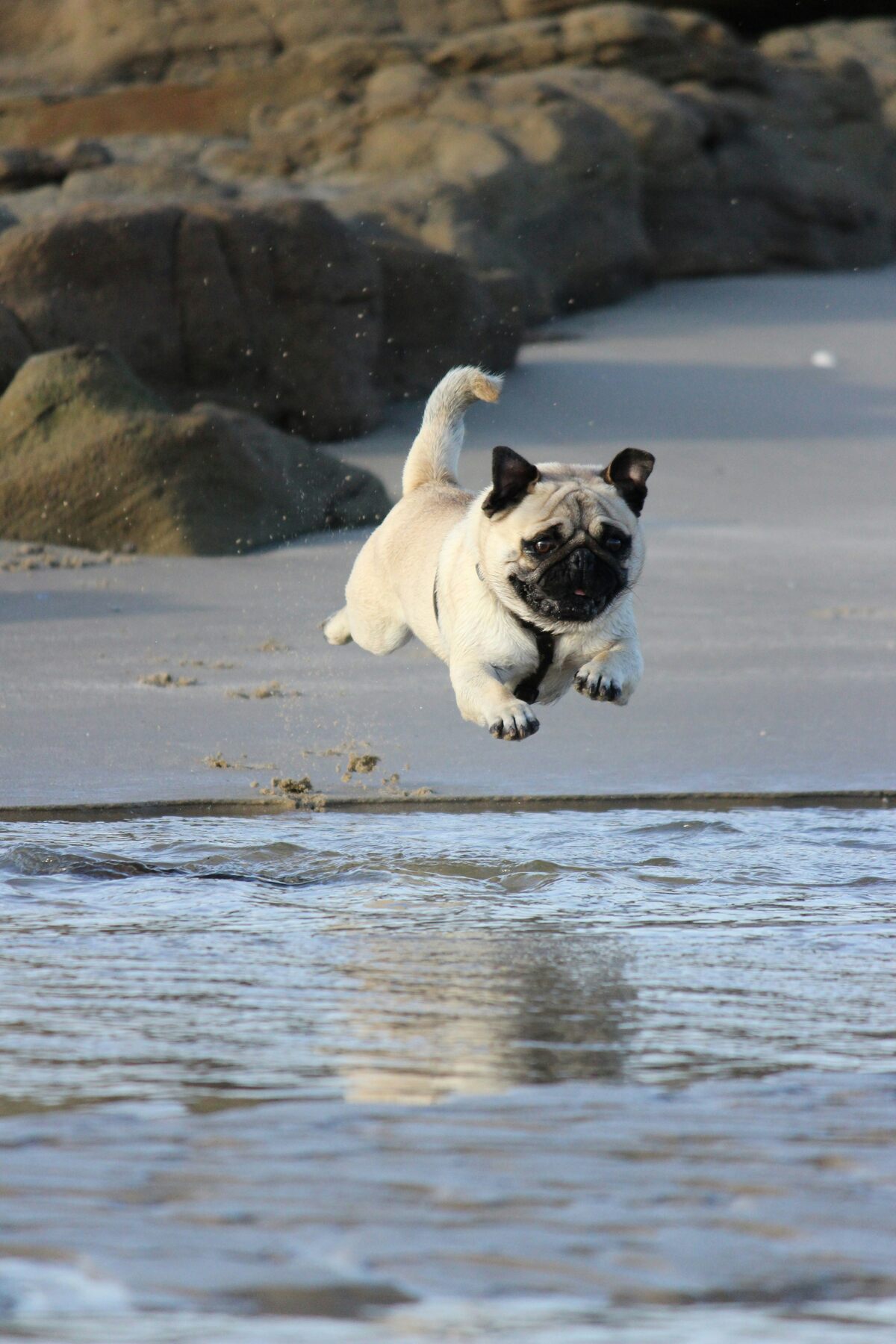
fawn pug jumping into water from a sandy beach - pug dog insurance

See What Our Customers Say

See what other pet insurance customers rated us.